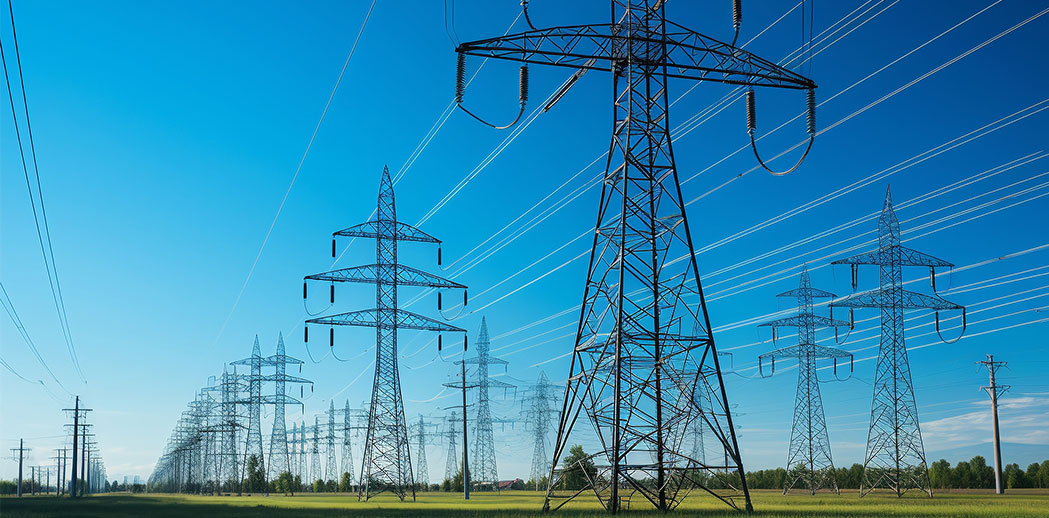
In the power supply industry, distribution boxes are essential for reliable power distribution, circuit protection, and voltage conversion.
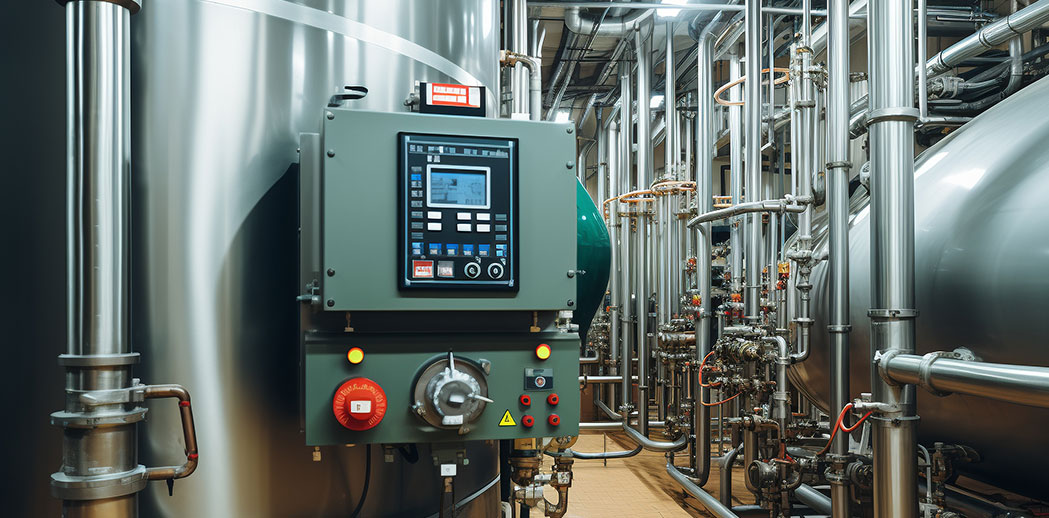
Equipment Solutions
For customers of mechanical equipment, our product series mainly include PLC control cabinets and HMI housings
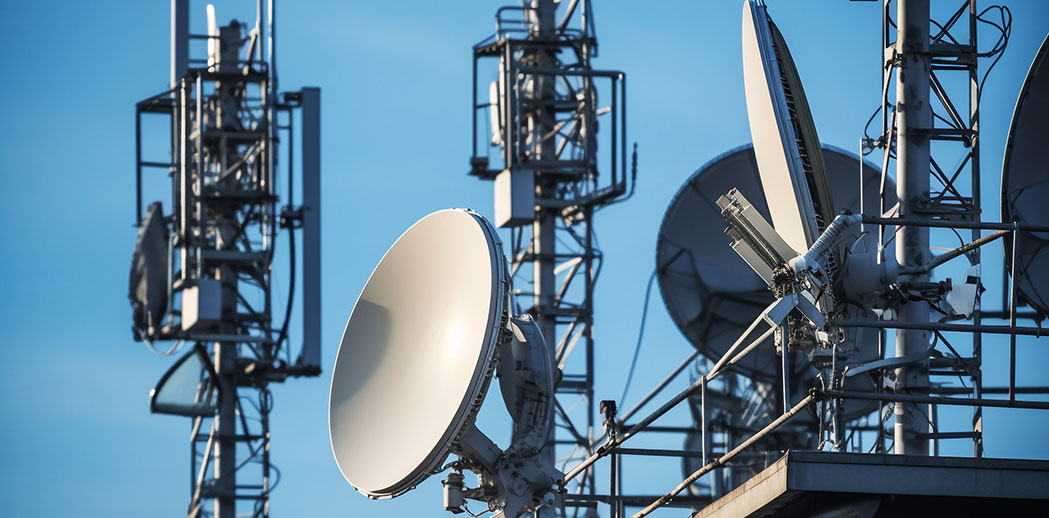
Communication Solutions
For customers of mechanical equipment, our product series mainly include PLC control cabinets and HMI housings
Security Solutions
In the field of security monitoring, we will comprehensively consider key factors such as the power requirements, power supply type, and power supply method of the monitoring equipment when designing the electrical box.
Solar Energy Solutions
In the field of security monitoring, we will comprehensively consider key factors such as the power requirements, power supply type, and power supply method of the monitoring equipment when designing the electrical box.
Oil & Gas Solutions
In the field of security monitoring, we will comprehensively consider key factors such as the power requirements, power supply type, and power supply method of the monitoring equipment when designing the electrical box.
Rail Solutions
Our engineering team has extensive experience in rail transit projects across China, providing custom solutions like cabinets.
Construction Solutions
Whether it is a high-rise building, commercial complex or industrial facility, our professional team will deeply analyze the characteristics of each project, including power load
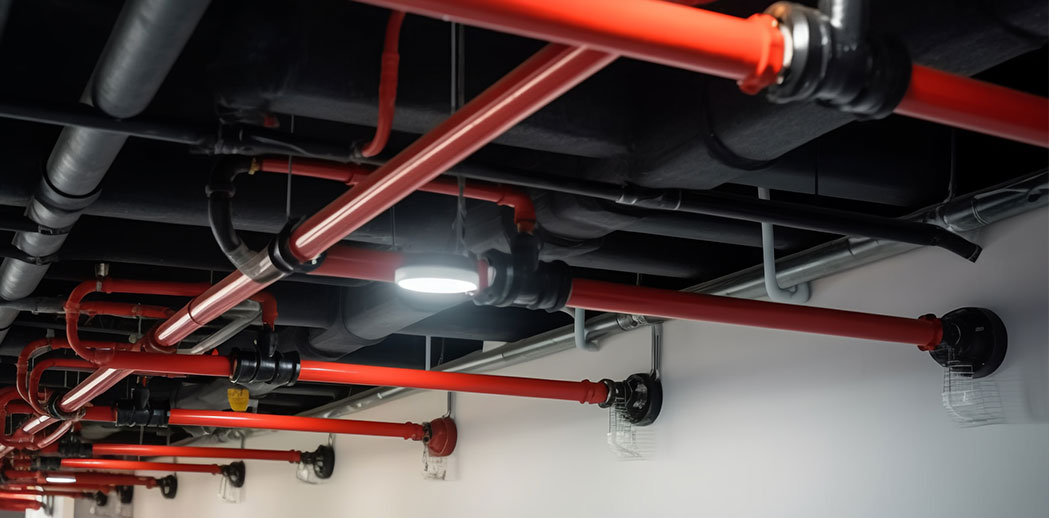
Fire Safety Solutions
Customized fire hydrants, built to your exact needs. We combine top-quality materials and strict adherence to GB50974-2014 standards to deliver hydrants that ensure safety, durability, and compliance.
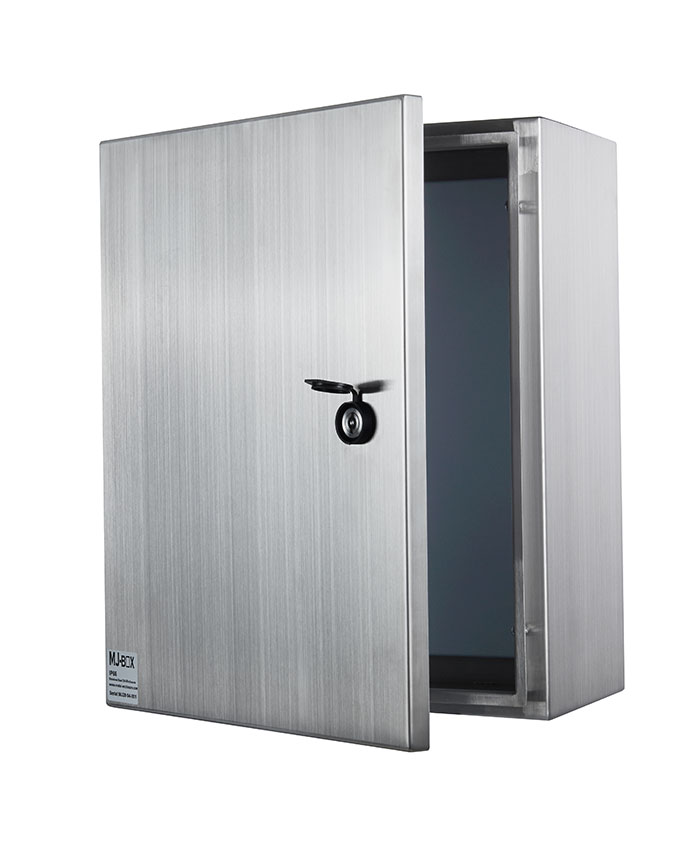
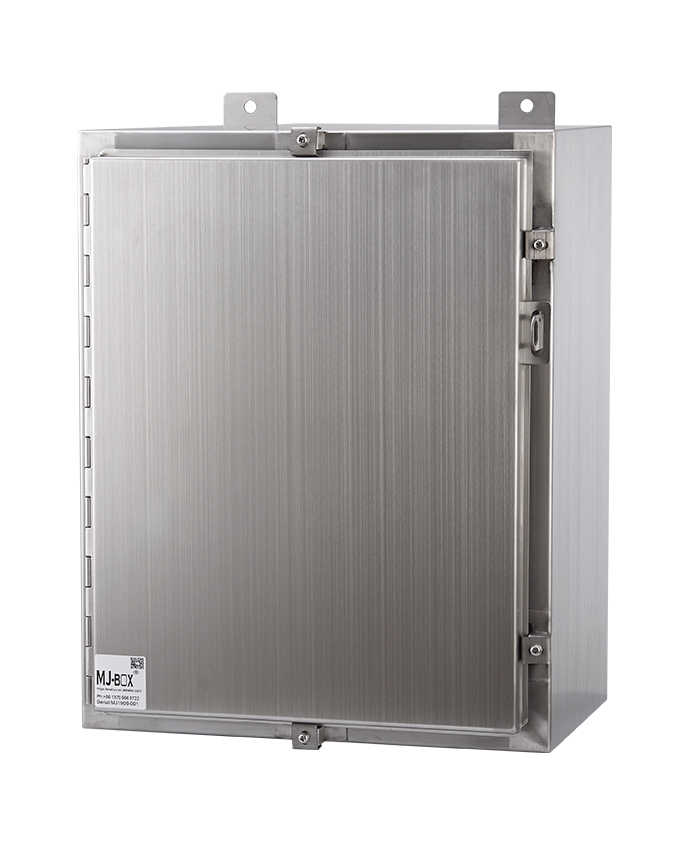
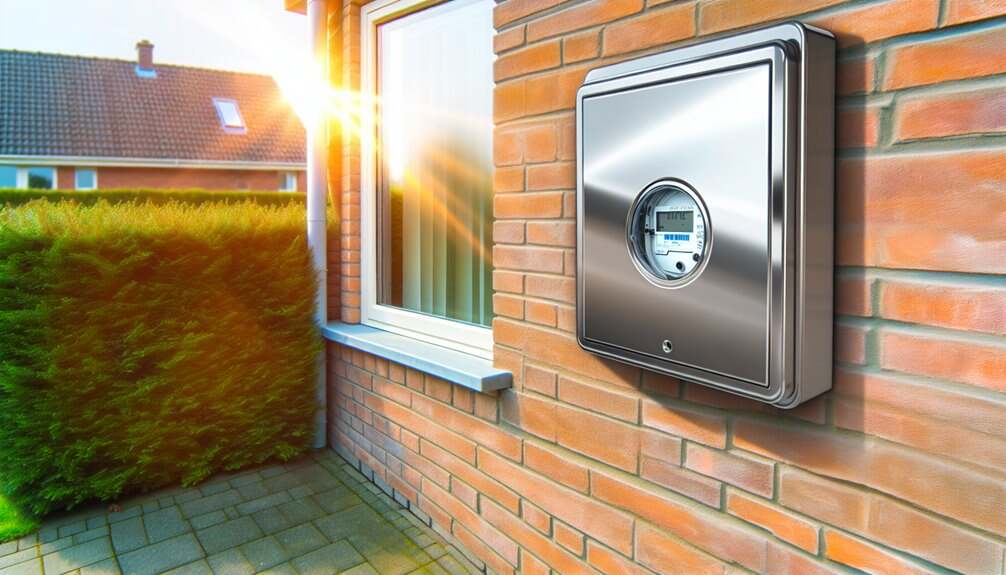
MJ-BOX offers a variety of wall-mounted enclosures in different sizes and materials. These enclosure are used of quality materials such as stainless steelcold rolled steel and Aluminum.They cover a wide range of applications. All of our enclosures are CE certified and IP66 rated.They are suitable for applications that require protection from dust, moisture and corrosion.
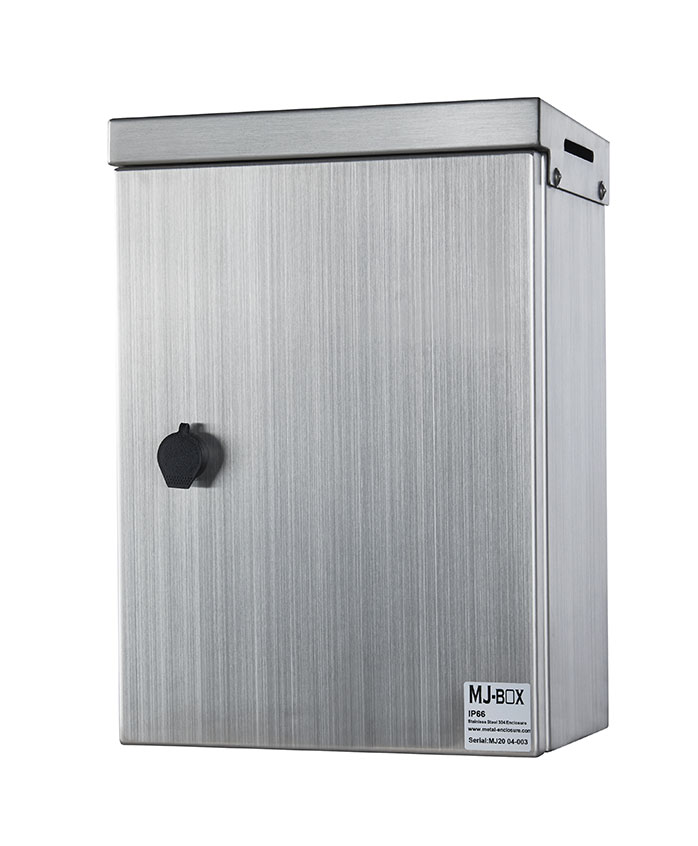
Explore the limits of durability and functionality with the MJ-BOX's double-sloped roof shell. The innovative removable 15° pitched roof reducing internal temperature by 20% in direct sunlight.ensures superior drainage and maintenance, preventing water accumulation and extending life.
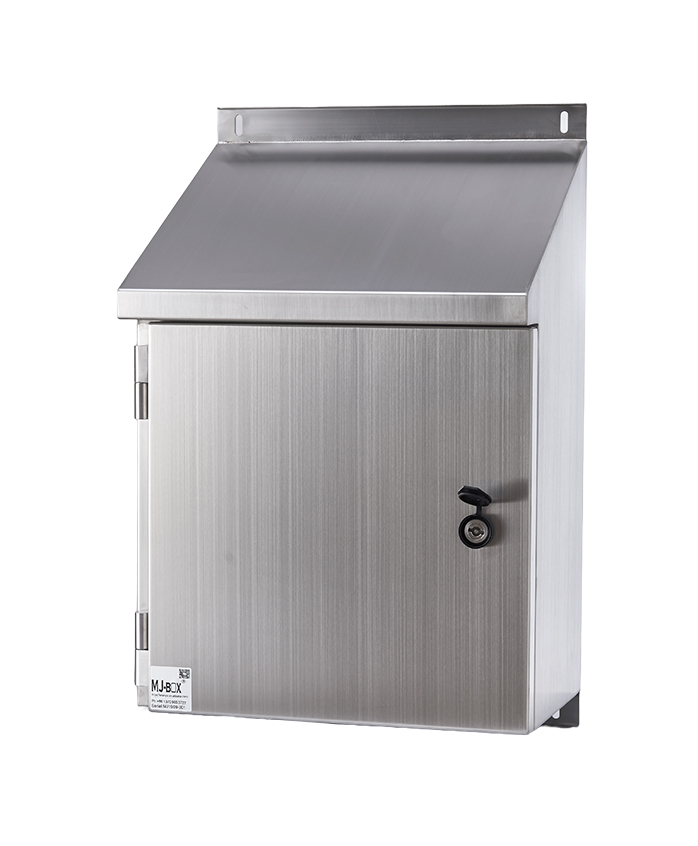
The combination of 30° inclined roof design and IP66 can better resist heavy rain and dust in the air. It is very suitable for food processing plants, construction sites, etc. to fight against airborne particles.
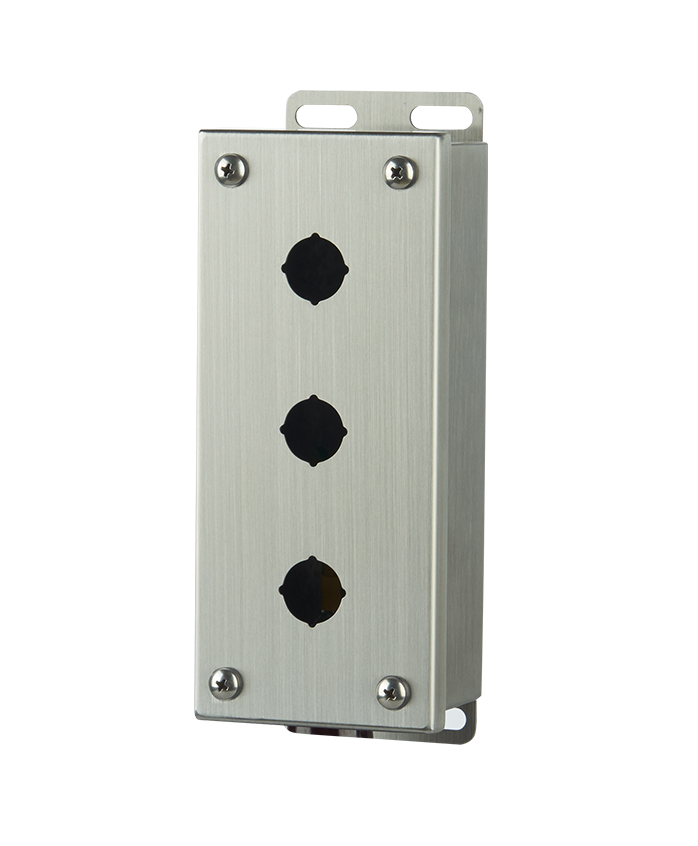
Heavy-duty stations with illuminated buttons and emergency stops. Modular design allows custom labeling and layout adjustments for CNC machines, conveyor systems, and production lines.
This explosion proof enclosure provides strong physical protection against impact and environmental hazards through reinforced welds and interlocking door mechanisms. It is ideal for protecting electrical components in volatile workshops or high traffic industrial areas.
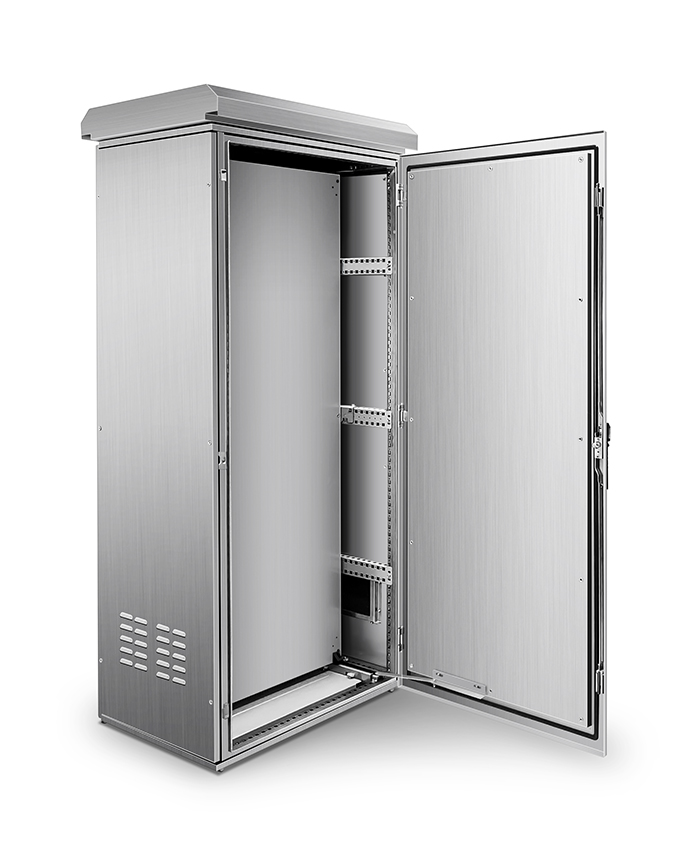
Engineered for heavy-duty protection of large-scale electronics, our enclosures combine multi-material construction (steel/aluminum/composite) with adaptable mounting systems. Thrive indoors or outdoors in harsh settings—from automated warehouses to chemical plants—featuring corrosion-resistant finishes, tool-less panel access, and modular interiors for complex configurations.
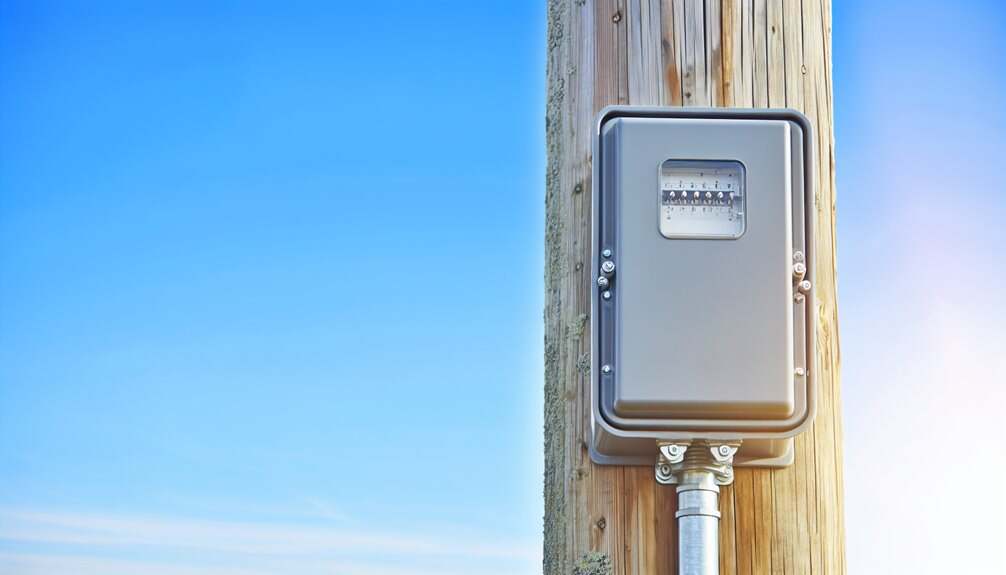
Meter Box on Pole: Pole-Mounted Service Installation Guide
12.19. 2025 | News, Electrical Box
The installation of a meter box on a pole is a vital process that requires a structured approach to meet safety standards and utility requirements. Such installations provide protection against environmental elements and improve access for maintenance, making them ideal for certain environments. Key considerations include height, clearance, material choice, and grounding. Surge protection and thermal management are also essential for reliability. An understanding of these factors is essential for an effective setup.
Key Takeaways
Ensure the meter box adheres to clearance and height standards for safe and efficient operation.
Use weatherproof enclosures and materials to protect against environmental hazards and prolong service life.
Verify compliance with NEMA ratings for outdoor suitability and NEC guidelines for safe installation.
Employ proper mechanical support, such as mounting kits, for secure and stable installations.
Incorporate grounding electrodes and accessible service disconnects to meet electrical safety requirements.
When to Choose a Pole-Mounted Meter Box
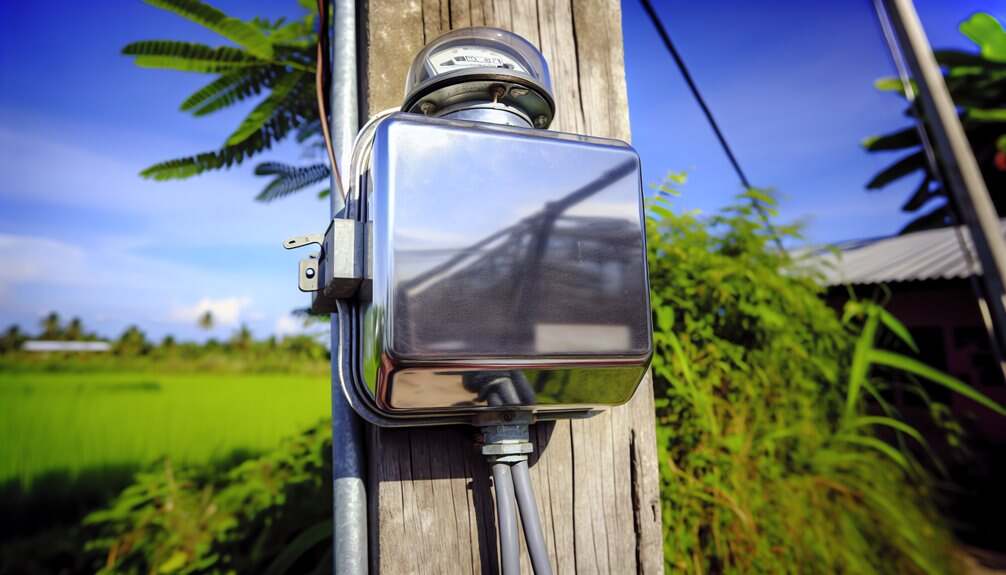
When considering the installation of a meter box, a pole-mounted configuration is often the ideal choice for specific scenarios such as rural properties, remote buildings, farm services, temporary services, and detached outbuildings.
The meter pole installation provides distinct advantages, offering elevated positioning that shields the outdoor meter box on pole from environmental hazards and facilitates easier utility meter on pole readings. This configuration often reduces the risk of flood damage compared to ground-level installations.
Service pole meter installation requires meticulous planning, including evaluating the service entrance type, electrical load demands, and environmental conditions. Proper meter pole grounding requirements are essential to guarantee safety and compliance.
Accessibility for maintenance and utility work is greatly enhanced, making pole-mounted systems advantageous in these specific situations.
Standards & Utility Requirements for Pole-Mounted Meter Installations
The installation of pole-mounted meter boxes must adhere to specific height and clearance regulations to guarantee safe and efficient operation.
Structural integrity and mounting specifications for meter poles are critical, requiring compliance with load-bearing and environmental durability standards.
Additionally, service equipment must include appropriate disconnect mechanisms to meet utility company requirements and facilitate maintenance and emergency interventions.
Height and Clearance Rules for Pole-Mounted Meter Boxes
Correct height and clearance are critical when installing a meter box on a pole, as they directly affect safety, accessibility, and utility approval. Pole-mounted meter boxes must be positioned to allow safe operation, accurate meter reading, and unobstructed maintenance access.
For underground service, the meter centerline is typically required to be installed between 3 and 6 feet above finished grade. For overhead service installations, utilities commonly require the centerline to fall within a 4 to 6-foot range. Adhering to these height requirements ensures compliance with utility standards and accepted industry practice.
Equally important are working-space clearances around the pole-mounted meter box. A minimum of 3 feet of clear working space in front of the meter base is required to allow safe inspection, servicing, and emergency access. Adequate side clearance must also be maintained to prevent obstruction and ensure full access to doors, disconnects, and grounding components.
Typical Height and Clearance Requirements for Pole-Mounted Meter Boxes
Requirement
Specification
Underground Feed Height
3–6 ft above grade (centerline)
Overhead Feed Height
4–6 ft above grade (centerline)
Front Working Clearance
Minimum 3 ft
Side Clearance
Sufficient for full service access
Following these height and clearance guidelines helps reduce installation issues, improves technician safety, and ensures the pole-mounted meter box meets utility and inspection requirements.
Structural and Mounting Requirements for Meter Poles
A key consideration in pole-mounted meter installations is the adherence to structural and mounting requirements to guarantee durability and compliance with utility standards. Selecting enclosures with appropriate IP ratings ensures reliable protection against dust and moisture in outdoor environments. In many jurisdictions, selecting enclosures that also align with IEC 60529 supports regulatory compliance and consistent performance across varying environmental conditions. Incorporating thermal management strategies, such as passive ventilation and heat load assessment, helps maintain safe operating temperatures for outdoor enclosures exposed to high ambient heat and solar gain. For harsher conditions or areas subject to washdowns, choose enclosures rated IP66 to withstand high‑pressure water jets and ensure long-term durability.
The meter base mounting specs dictate that the pole must be of minimum size, such as treated timber measuring 6”x20. The meter pole footing requirements necessitate setting the pole in the ground with tamped fill to assure stability.
In addition, the installation may require guy wires, anchor cables, or support braces as specified by local utility codes. The pole mounted meter box must be installed securely with a grounding electrode conductor to guarantee safety.
Additionally, the main disconnect on pole should be easily accessible, conforming to safety and operational standards. Compliance with these requirements assures a reliable electrical service infrastructure. For long-term reliability, select enclosures with appropriate NEMA ratings and robust gaskets to resist moisture, dust, and temperature extremes in harsh environments.
Service Equipment and Disconnect Requirements
Although adhering to standards and utility requirements is essential for safety and functionality, service equipment and disconnect specifications for pole-mounted meter installations demand particular attention. Selecting enclosures that meet recognized NEMA ratings helps ensure suitability for outdoor environments and enhances compliance. Properly sizing and installing boxes to meet NEC fill requirements improves safety and reduces overheating risks.
A weatherproof meter box enclosure is critical when installing the meter base on the pole to protect against environmental elements. Incorporating proper venting helps manage pressure differentials and minimize condensation that can compromise seals. Directly positioned beneath the meter base, the service disconnect must be easily accessible and comply with regulatory codes. Choose materials and layouts that support thermal management to maintain safe operating temperatures and extend equipment life.
Utilization of approved meter-mounting devices guarantees the integrity and reliability of the installation. Additionally, secure termination equipment is necessary to maintain electrical connections' stability and safety.
These components must be carefully selected and installed to meet stringent utility standards, guaranteeing a robust and compliant service infrastructure for pole-mounted meter installations.
For outdoor meter locations, select enclosures that meet IP65 or higher to ensure resistance to dust and water ingress and enhance long-term reliability.
Wiring, Conduit, and Grounding for Pole-Mounted Meter Boxes
The installation of wiring and conduit for pole-mounted meter boxes necessitates careful consideration of conductor routing, specifically distinguishing between overhead and underground service entrances.
Compliance with grounding and rod requirements is vital to guarantee system safety and reliability; this includes the correct sizing and installation of grounding electrodes.
Proper attention to these elements is essential for adherence to electrical codes and standards, ensuring effective and safe operation of the meter box system.
Conductor Routing — Overhead vs Underground Service Entrance
Conductor routing for pole-mounted meter boxes requires meticulous consideration of service entrance type, whether overhead or underground, to guarantee reliability and safety. For overhead service meter poles, a weatherhead is essential to protect conductors from environmental elements. It is critical to avoid risky 90° bends at the top of the pole, maintaining smooth meter to pole wiring. Additionally, selecting enclosures that meet NEMA 4X helps ensure corrosion resistance and durability in coastal or marine environments.
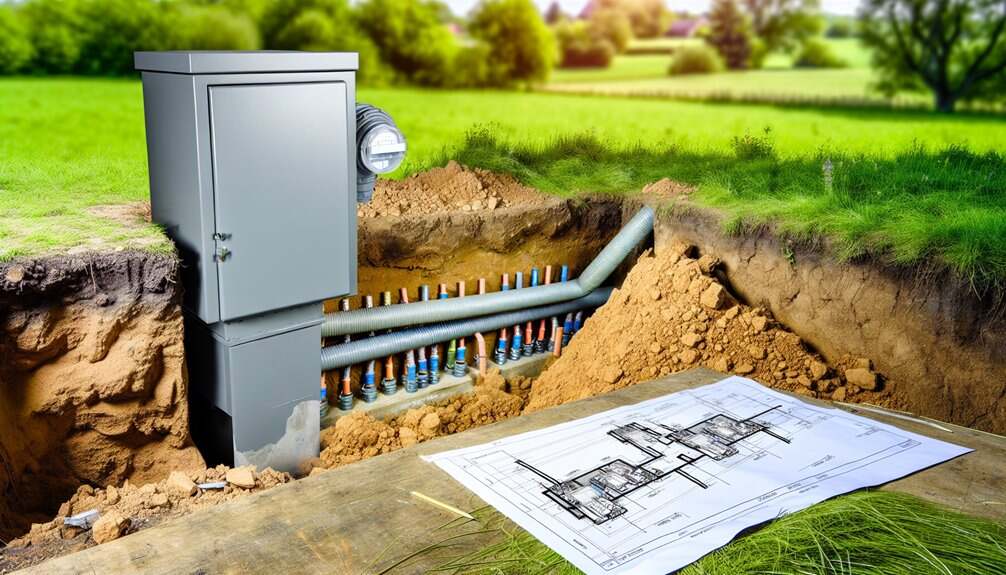
Conversely, underground service meter poles necessitate careful meter pole conduit routing using rigid galvanized steel or PVC conduits. These should be securely fastened to the pole to prevent movement or damage. The integration of mjbox meter pole enclosures adds an additional layer of protection. Implementing robust environmental sealing and protective coatings helps mitigate corrosion risks from humidity, pollutants, and acid gas vapors around pole-mounted enclosures. Selecting enclosures with appropriate NEMA ratings ensures verified protection against dust and moisture in harsh outdoor conditions. For installations in hazardous locations, select enclosures with applicable certifications like ATEX or IECEx to ensure compliance and ignition risk mitigation. Additionally, adherence to IECEx standards validates that enclosures meet safety and performance criteria in hazardous environments.
Grounding and Rod Requirements
Grounding and Rod Requirements (Wiring, Conduit, and Grounding for Pole-Mounted Meter Boxes)
Proper grounding and rod installation are fundamental to the safety and functionality of pole-mounted meter boxes. In the meter on wood pole installation, a continuous grounding conductor must extend from the meter base or main disconnect to the grounding electrodes, commonly ground rods. Compliance with standard materials and placement guidelines is essential to guarantee code adherence and safety. These systems should also incorporate surge protection devices to safeguard sensitive equipment and maintain system integrity in line with recognized standards. Regular inspection of seals, connections, and electrode terminations helps confirm enclosure integrity and reduces risks from moisture and corrosion in varied environments. Incorporating clearly labeled circuits and MCBs within nearby distribution equipment supports compliant protection and improves maintenance clarity for long-term reliability. Ensure the enclosure and grounding components meet applicable NEMA and IP ratings to maintain safety and performance in the intended environment.
Precise adherence to grounding requirements mitigates electrical hazards and enhances system reliability. Confirming proper conductor integrity and electrode placement is vital for effective grounding during the installation of a meter on a wood pole.
Design Considerations for Meter Box on Pole Installations
In the design of pole-mounted meter box installations, the selection of appropriate enclosure materials and weatherproofing is vital to guarantee durability and compliance with environmental standards. Incorporating materials and seals that meet fire-rated enclosure requirements enhances safety by minimizing ignition risks and preventing fire spread. Effective thermal management using passive cooling strategies can further improve reliability by controlling internal temperatures without added power or complexity.
Additionally, mechanical support and mounting methodologies must be robust enough to sustain the meter box under various load conditions, while also facilitating ease of access and maintenance tasks. Integrating surge protective devices helps safeguard against transient overvoltages common in outdoor installations, enhancing reliability and reducing fault-related downtime. Consideration of accessibility and service access requirements is essential to assure efficient operation and timely interventions by service personnel. Selecting materials and finishes that achieve relevant NEMA and IP ratings helps ensure environmental protection and long-term reliability in outdoor installations. To further enhance durability and safety in dynamic environments, ensure the enclosure design incorporates vibration resistance aligned with railway-grade practices for shock and impact robustness.
Enclosure Material and Weatherproofing
Weatherproofing is a vital aspect of selecting enclosure materials for meter box installations on poles. These installations demand robust materials to withstand outdoor exposure, particularly in coastal, wet, or harsh climates. The use of weather-resistant materials such as metal or glass-reinforced plastic (GRP) is important to prevent degradation. Selecting enclosures that support safety standards can further enhance compliance and long-term reliability in demanding outdoor installations. Pulling from best practices, aligning enclosure selection and sizing with NEC guidelines helps ensure safe installation and future maintainability. Incorporating visual indicators allows real-time system status checks that support proactive maintenance and operational oversight. Incorporating thermal load management helps minimize overheating risks by addressing both internal heat sources and ambient temperature effects.
Corrosion Resistance: Metals must be treated or inherently resistant to corrosion to guarantee longevity in humid or salty environments.
Sealing: Proper sealing prevents water ingress, which is essential for maintaining electrical safety and functionality.
Ingress Protection (IP/NEMA): Selecting enclosures with appropriate IP or NEMA ratings guarantees protection against dust and water intrusion, vital for outdoor applications.
These factors collectively safeguard the meter box, guaranteeing reliable performance and extending service life in challenging environmental conditions. Incorporating ventilation and airflow optimization inside the enclosure helps prevent thermal buildup and supports reliable operation in high-temperature environments.
Mechanical Support & Mounting Methodologies
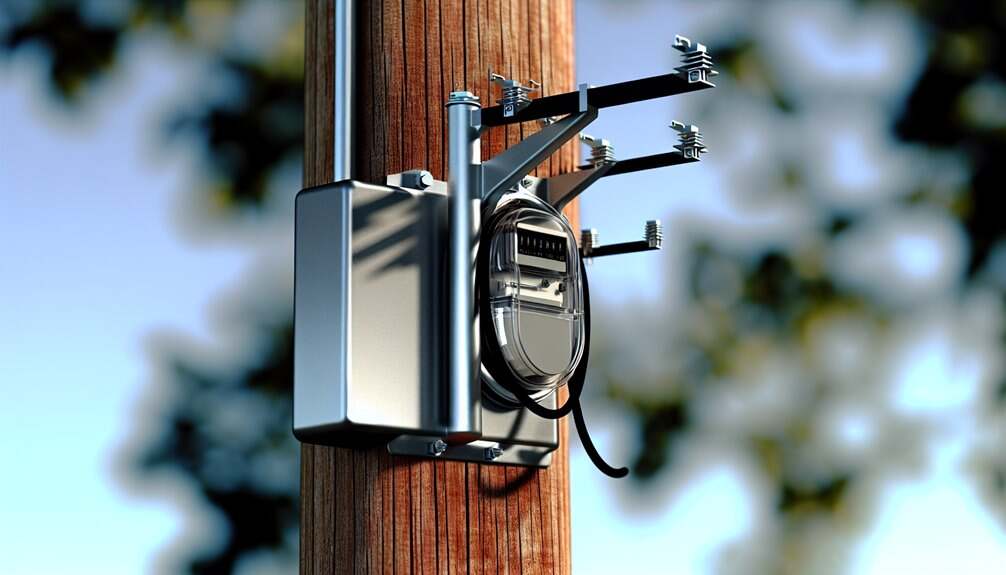
When designing meter box installations on poles, attention to mechanical support and mounting methodologies is vital to guarantee stability and durability. The use of appropriate mounting kits or brackets such as strut, lag bolts, treated shear panel, or custom mounting backboards is significant, particularly for wooden poles. These elements ensure that the meter box withstands environmental challenges, including wind load, cable stress, vibration, and the inherent weight of the meter itself. Reinforcement methods should be carefully selected and tailored to the specific conditions of each installation site. Adherence to IP/IK ratings guides material choice and structural design to ensure environmental protection and impact resistance for pole-mounted assemblies. For enhanced reliability and future scalability, consider enclosures that support modular configurations to simplify maintenance and adapt to evolving site requirements. For outdoor pole-mounted assemblies, selecting materials with proven corrosion resistance helps maintain longevity in harsh weather and moisture-prone environments.
Typical Mechanical Support Components
Component
Purpose
Example
Mounting Hardware
Secure attachment to pole
Strut systems, lag bolts
Reinforcement
Resist environmental forces
Wind, vibration, cable stress
Custom Backboards
Adapt to pole material
Wooden pole mounting panels
Understanding these considerations helps achieve robust installations.
Accessibility, Maintenance, and Service Access Requirements
Proper mechanical support and mounting are foundational, but effective design also requires careful consideration of accessibility, maintenance, and service access requirements for meter box installations on poles.
Confirming these installations are both functional and serviceable requires strategic planning.
Clearance: Adequate space must be maintained around the pole to facilitate utility technicians' activities, meter reading, and emergency access.
This guarantees operations can be conducted efficiently and safely.
Grounding Access: Safe and unhindered access for grounding tasks is essential.
This involves designing installations to enable technicians to perform grounding and inspection without obstacles.
Service Calls: The design should enable easy access for routine maintenance and service calls.
This reduces downtime and increases service reliability, confirming that any necessary interventions can be carried out swiftly and without complication.
Typical Use Cases & Configurations
In many scenarios where utility infrastructure requires reliable electrical distribution, pole-mounted service installations prove essential due to their versatility and space efficiency.
These installations are commonly deployed in rural and semi-urban environments where ground space is limited or preservation of natural landscapes is prioritized. Configurations typically include single or multi-meter setups, accommodating both residential and commercial applications.
The strategic elevation of meter boxes on poles reduces ground-level obstruction, optimizing land use and minimizing potential tampering or flood risks. Additionally, pole-mounted service solutions can integrate seamlessly with overhead line networks, ensuring consistent power delivery.
Each configuration is meticulously designed to comply with local electrical codes and standards, guaranteeing safety and performance for diverse geographical and environmental conditions.
Why MJBOX Enclosures Are Well-Suited for Pole-Mounted Installations
Pole-mounted electrical services place higher demands on enclosure strength, mounting flexibility, and environmental protection. MJBOX enclosures are designed to meet these requirements, providing reliable solutions for outdoor and utility-facing installations where long-term performance and compliance are critical.
MJBOX enclosures are engineered and manufactured by Foshan Nanyu Technology Co., Ltd., a specialist in electrical enclosure systems and precision sheet metal manufacturing since 1994. With decades of experience supporting industrial, infrastructure, and utility projects, MJBOX combines engineering know-how with scalable production capability to deliver dependable enclosure solutions.
The following attributes make MJBOX enclosures particularly well-suited for such installations:
Customization: Enclosures can be customized to meet specific customer requirements, ensuring ideal protection and performance in diverse environments.
Quality Assurance: Automated production and high-precision testing result in consistent product quality, validated by a notable client retention rate of 82%.
Global Expertise: With over 670 international shipments across 30+ countries, MJBOX enclosures demonstrate proven reliability and adaptability in various global contexts.
Whether for rural services, agricultural facilities, or infrastructure projects requiring pole-mounted meter installations, MJBOX enclosures provide a dependable balance of durability, flexibility, and compliance.
For pole-mounted meter box solutions tailored to your installation requirements, contact MJBOX to discuss enclosure options, custom configurations, and project support.
Frequently Asked Questions
How Can Weather Conditions Affect a Pole-Mounted Meter Box Installation?
Weather conditions impact pole-mounted meter box installations by influencing the stability of the pole, affecting grounding effectiveness, and causing potential moisture ingress. Wind, precipitation, and temperature fluctuations can compromise the installation's integrity and require adjustments to guarantee reliability.
What Is the Average Cost of Installing a Meter Box on a Pole?
In a steampunk-esque twist, the average cost of installing a meter box on a pole ranges from $1,500 to $3,000. This includes materials, labor, and any additional components necessary for ensuring a reliable and durable installation.
Are There Any Specific Maintenance Requirements for Pole-Mounted Meter Boxes?
Pole-mounted meter boxes require regular inspections for corrosion, secure fittings, and weatherproof sealing. Connections should be checked for tightness and wear. Vegetation around the pole should be cleared to prevent interference, ensuring ideal functionality and safety compliance.
How Do I Ensure the Meter Box Is Secure From Vandalism or Theft?
To secure the meter box from vandalism or theft, install tamper-resistant screws, utilize robust lockable enclosures, guarantee proper surveillance measures, and conduct regular inspections. Implementing these strategies enhances security and mitigates unauthorized access effectively.
Can I Install a Pole-Mounted Meter Box on a Wooden Utility Pole?
Installing a pole-mounted meter box on a wooden utility pole is akin to anchoring a ship to a dock; it requires precise alignment, secure fastenings, and adherence to local codes to guarantee stability and compliance.
Conclusion
In the tale of the pole-mounted meter box, the pole stands as the steadfast guardian, ensuring the safety and accessibility of the kingdom's power source. Adhering to the codes and utilizing robust materials, the installation becomes a fortress against the elements. With the guidance of wise standards and diligent design, the meter box transforms into a beacon of reliability. MJBOX enclosures, like loyal knights, provide the ultimate shield, ensuring the system's longevity and performance in the vast domain of utilities.
We are deeply committed to excellence in everything we do, ensuring meticulous control over our products to deliver unparalleled quality and outstanding service to our customers.











 Chinese