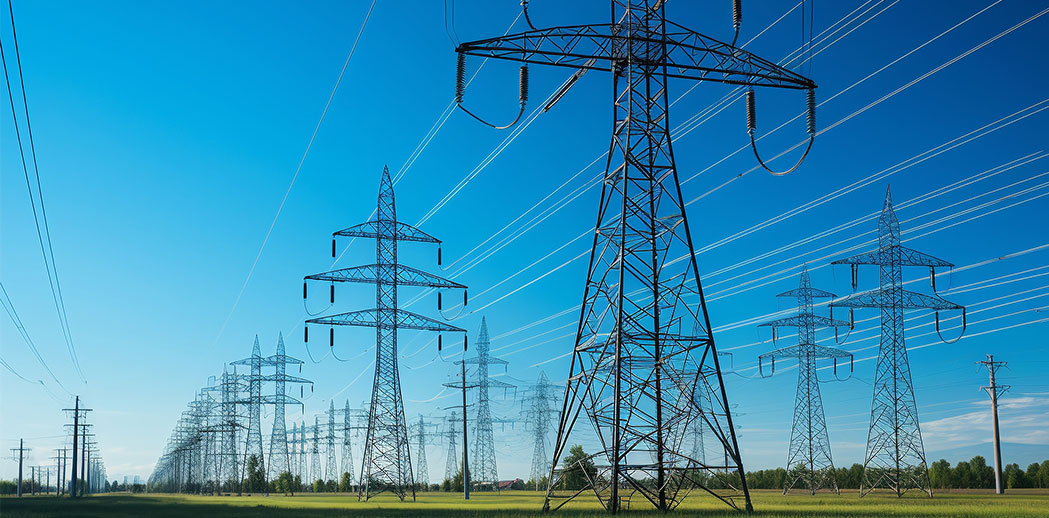
In the power supply industry, distribution boxes are essential for reliable power distribution, circuit protection, and voltage conversion.
Equipment Solutions
For customers of mechanical equipment, our product series mainly include PLC control cabinets and HMI housings
Communication Solutions
For customers of mechanical equipment, our product series mainly include PLC control cabinets and HMI housings
Security Solutions
In the field of security monitoring, we will comprehensively consider key factors such as the power requirements, power supply type, and power supply method of the monitoring equipment when designing the electrical box.
Solar Energy Solutions
In the field of security monitoring, we will comprehensively consider key factors such as the power requirements, power supply type, and power supply method of the monitoring equipment when designing the electrical box.
Oil & Gas Solutions
In the field of security monitoring, we will comprehensively consider key factors such as the power requirements, power supply type, and power supply method of the monitoring equipment when designing the electrical box.
Rail Solutions
Our engineering team has extensive experience in rail transit projects across China, providing custom solutions like cabinets.
Construction Solutions
Whether it is a high-rise building, commercial complex or industrial facility, our professional team will deeply analyze the characteristics of each project, including power load
Fire Safety Solutions
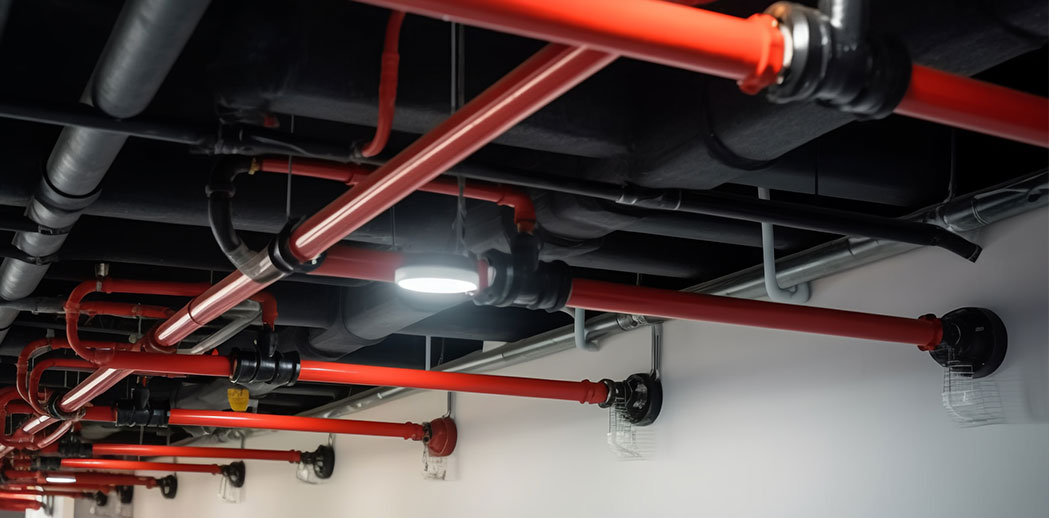
Customized fire hydrants, built to your exact needs. We combine top-quality materials and strict adherence to GB50974-2014 standards to deliver hydrants that ensure safety, durability, and compliance.
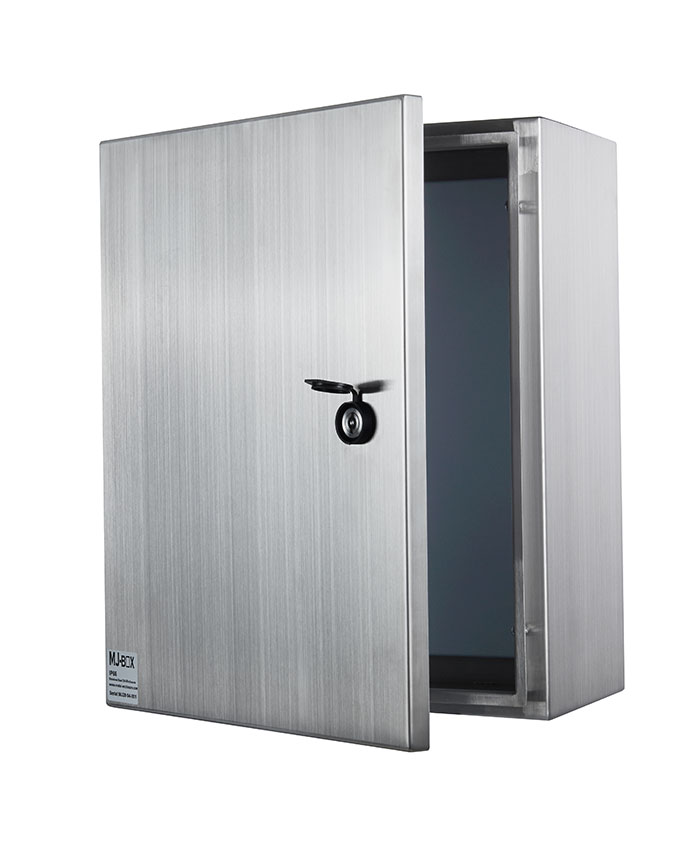
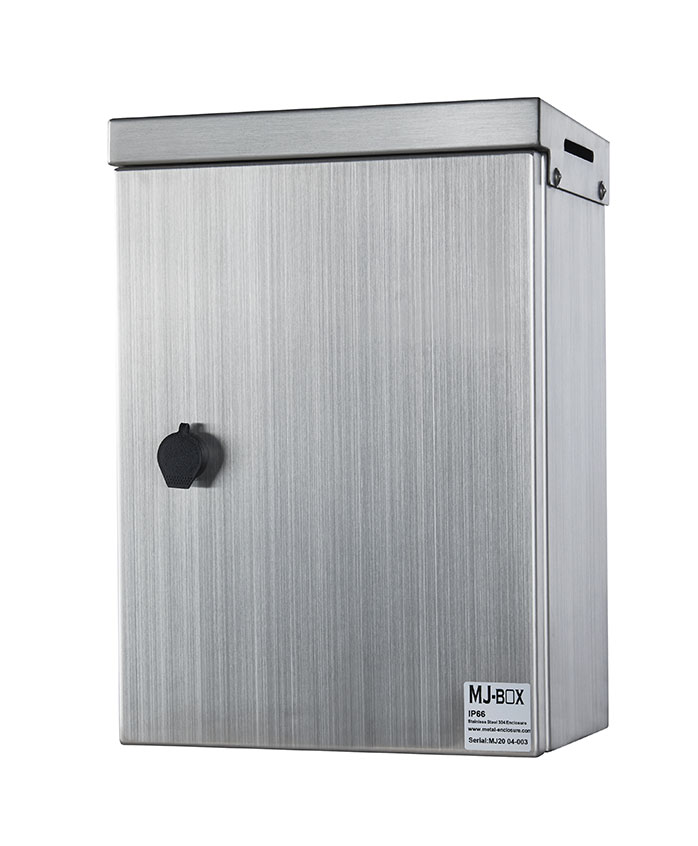
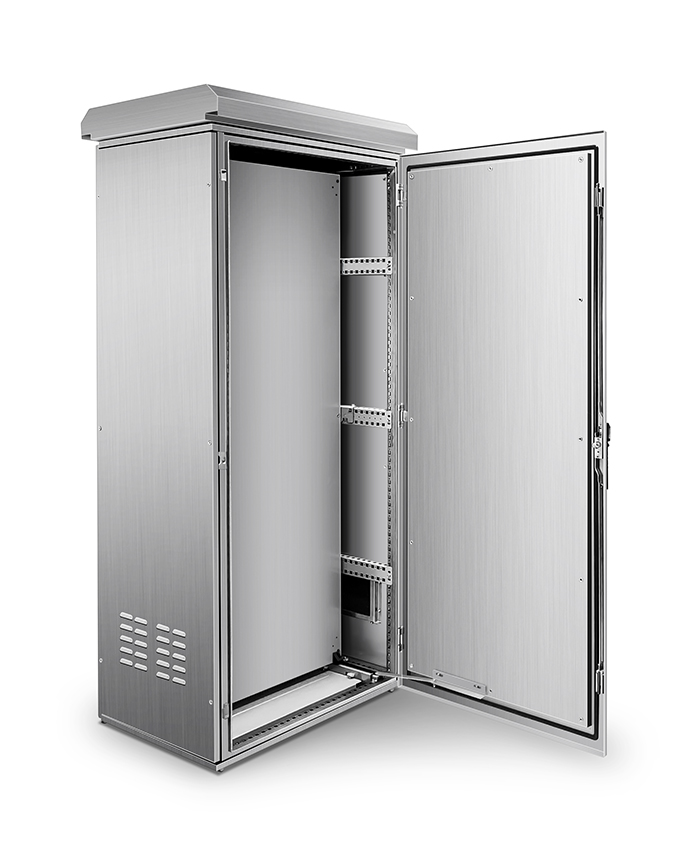
MJ-BOX offers a variety of wall-mounted enclosures in different sizes and materials. These enclosure are used of quality materials such as stainless steelcold rolled steel and Aluminum.They cover a wide range of applications. All of our enclosures are CE certified and IP66 rated.They are suitable for applications that require protection from dust, moisture and corrosion.
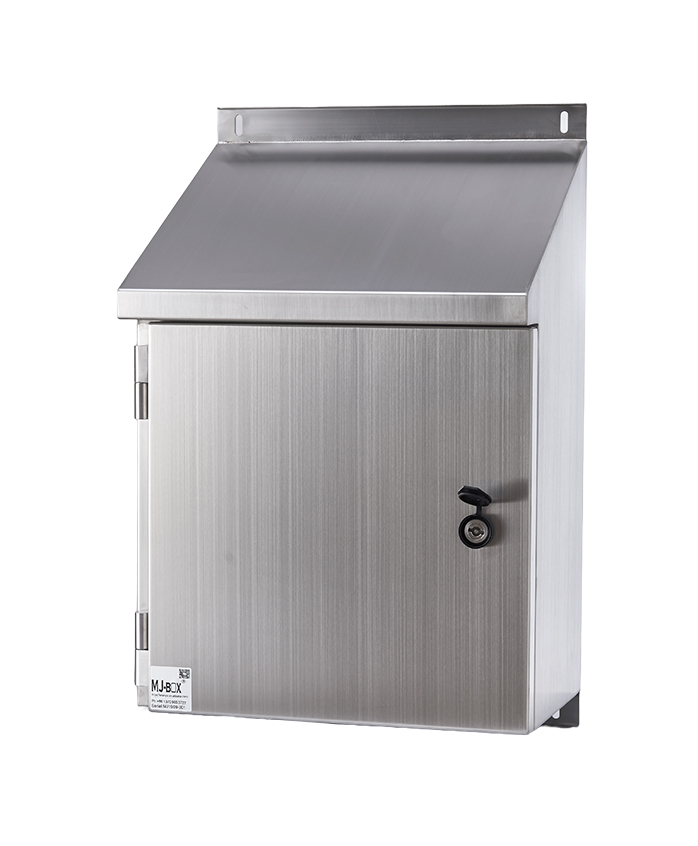
Explore the limits of durability and functionality with the MJ-BOX's double-sloped roof shell. The innovative removable 15° pitched roof reducing internal temperature by 20% in direct sunlight.ensures superior drainage and maintenance, preventing water accumulation and extending life.
The combination of 30° inclined roof design and IP66 can better resist heavy rain and dust in the air. It is very suitable for food processing plants, construction sites, etc. to fight against airborne particles.
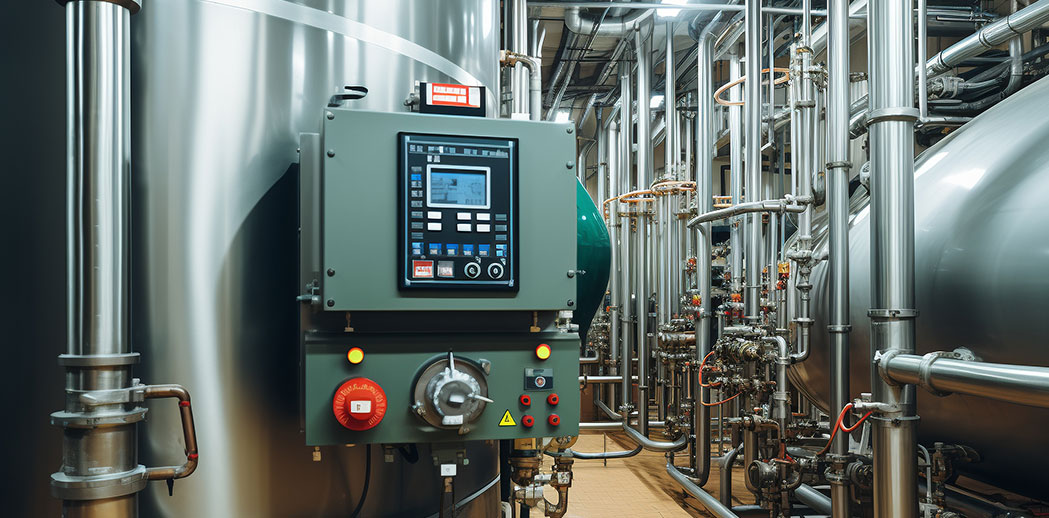
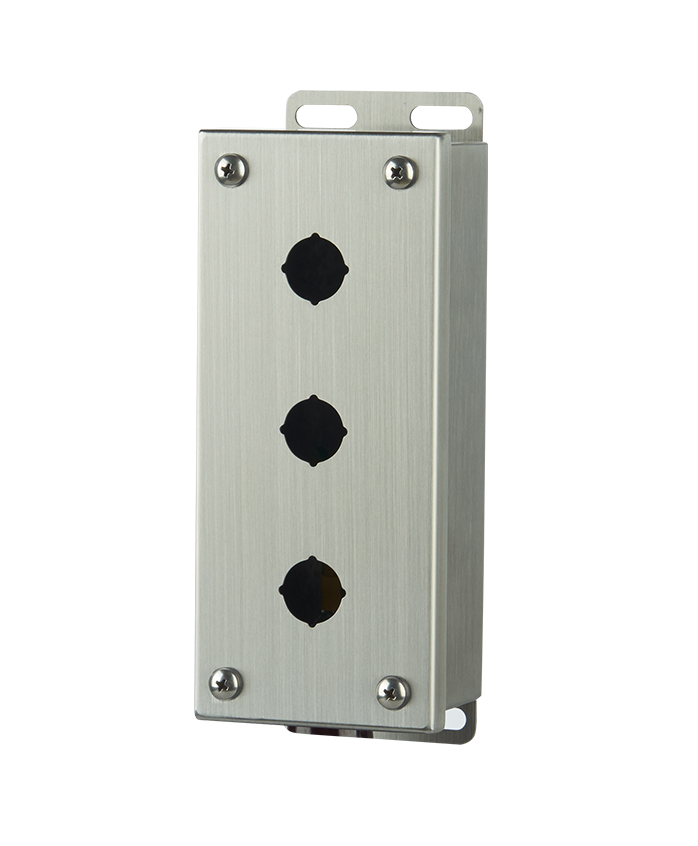
Heavy-duty stations with illuminated buttons and emergency stops. Modular design allows custom labeling and layout adjustments for CNC machines, conveyor systems, and production lines.
This explosion proof enclosure provides strong physical protection against impact and environmental hazards through reinforced welds and interlocking door mechanisms. It is ideal for protecting electrical components in volatile workshops or high traffic industrial areas.
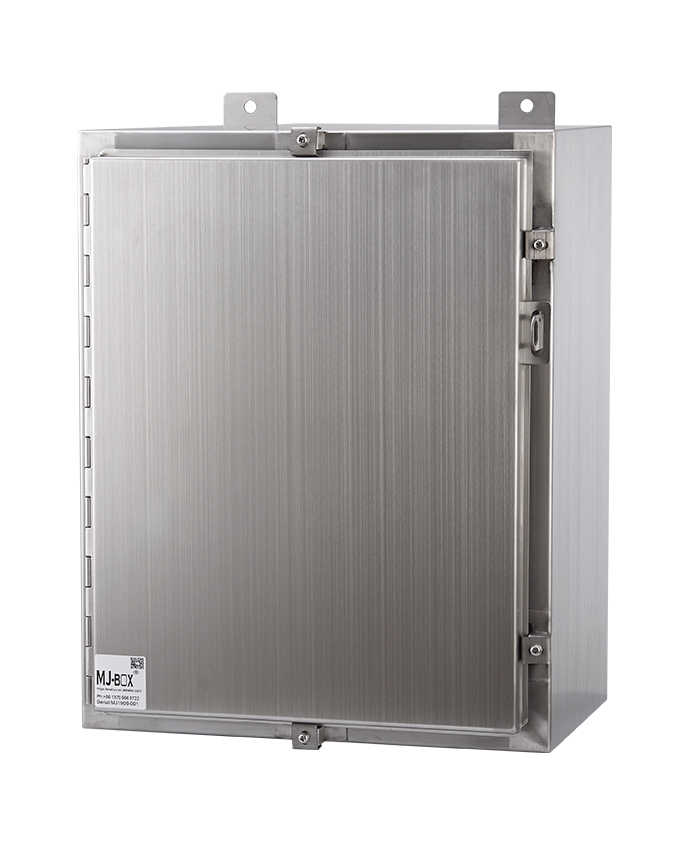
Engineered for heavy-duty protection of large-scale electronics, our enclosures combine multi-material construction (steel/aluminum/composite) with adaptable mounting systems. Thrive indoors or outdoors in harsh settings—from automated warehouses to chemical plants—featuring corrosion-resistant finishes, tool-less panel access, and modular interiors for complex configurations.
Meter Box for Underground Service: Installation Requirements, Specifications, and Best Practices
12.25. 2025 | News, Electrical Box
The installation of meter boxes for underground service demands a meticulous approach to meet stringent requirements and specifications. Professionals must consider factors such as NEMA ratings for environmental protection, adherence to local electrical codes, and proper grounding practices. Material selection, including steel, aluminum, or GRP, plays an important role in durability. Understanding these complexities guarantees safe and reliable service. This overview sets the stage for a deeper exploration into the essential components and methodologies involved.
Key Takeaways
Ensure meter box compliance with local electrical codes and utility regulations for safety and reliability.
Select meter boxes with appropriate NEMA and IP ratings for moisture and dust protection in underground installations.
Maintain a minimum clearance of 36 inches from obstructions for safe operation of the meter box.
Use corrosion-resistant materials like aluminum or glass-reinforced plastic for durability in underground environments.
Follow proper grounding and bonding practices as per NEC standards to ensure electrical safety.
What Is a Meter Box for Underground Service?
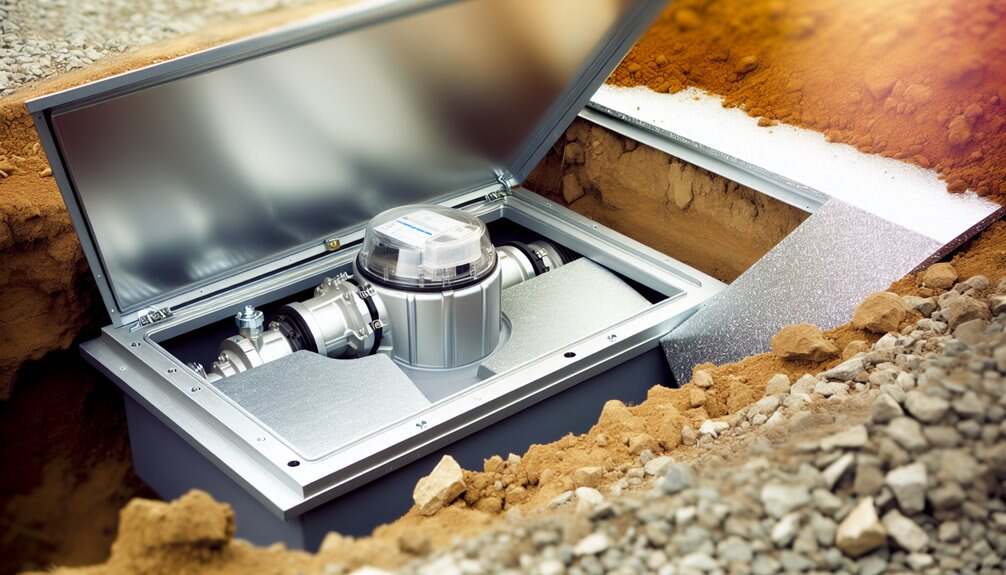
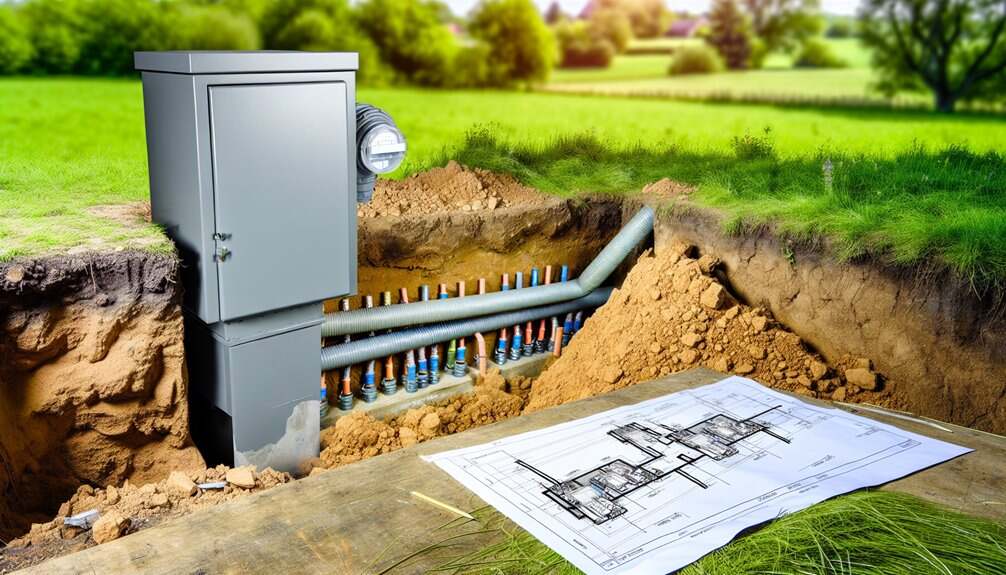
A meter box for underground service is an essential component in electrical distribution systems where power is delivered beneath the ground surface.
In such configurations, the underground electrical service meter box is strategically positioned to receive power through conduits buried below. These conduits, known as underground service conduit to meter box, guarantee a seamless and secure transmission of electricity from the main distribution network to residential or commercial premises.
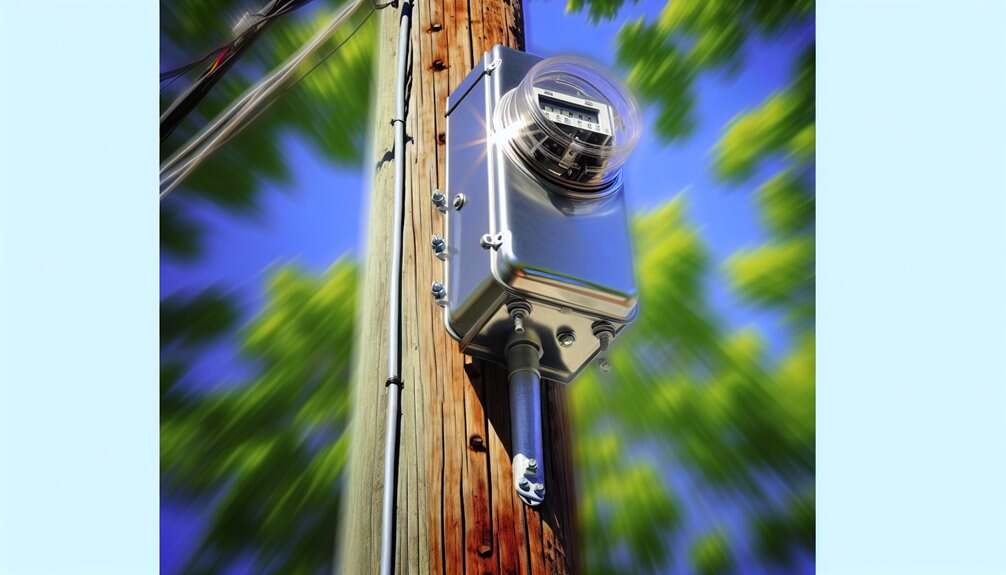
Unlike overhead service installations, where aerial lines are susceptible to weather-related disruptions, underground systems offer enhanced reliability and safety by shielding electrical components from environmental elements.
The meter box for underground service is designed to withstand subterranean conditions, providing a protected interface where the utility's responsibility shifts to the property owner's electrical system.
Types of Meter Boxes Used for Underground Electrical Service
In the domain of underground electrical service, meter boxes are categorized based on installation type and capacity.
Wall-mounted meter boxes are designed for direct attachment to structures, while pedestal meter boxes provide a freestanding solution that can be installed away from buildings.
Additionally, the integration of meter socket and disconnect combinations offers enhanced functionality, with load capacity options ranging from 100A to 400A to suit various service requirements.
Wall-Mounted Meter Box for Underground Feed
Wall-mounted meter boxes for underground feed play an essential role in the distribution of electrical service in residential and commercial settings. Selecting enclosures with appropriate NEMA ratings ensures protection against moisture, dust, and environmental conditions common to underground installations. In addition, understanding IP ratings helps align enclosure protection levels with real-world dust and moisture exposure to enhance reliability and compliance. For durable performance in harsh environments, choose enclosures with powder-coated finishes to improve corrosion resistance and UV stability. To further ensure long-term performance, verify regulatory compliance with UL/CE listings and applicable IEC/EN standards during product selection.
The installation of a meter box underground feed involves precise adherence to underground electrical service requirements. A critical component is the underground meter base installation, which must guarantee a reliable and safe connection to the utility’s underground network.
The meter box design must accommodate the conduit and wiring specifications intrinsic to underground systems, facilitating efficient service delivery and maintenance. Proper grounding, sealing against moisture ingress, and protection from physical damage are paramount in these installations. To enhance safety and code adherence, ensure the box size and fill comply with NEC fill guidance to prevent overheating and maintain accessibility.
Compliance with local electrical codes and utility regulations is mandatory, guaranteeing the integrity and safety of the overall electrical service infrastructure in diverse applications.
Pedestal Meter Box for Underground Service
When considering the installation of a pedestal meter box for underground service, understanding the various types available is essential for ensuring ideal performance and safety. For long-term reliability and compliance, verify that selected materials and designs align with applicable NEMA and IP ratings after any customization or cutouts. Additionally, confirm supplier certifications and engineering support to ensure the pedestal design meets relevant UL 508A and IEC/CE standards for safety and reliability.
A meter pedestal for underground service offers a robust solution, providing an elevated platform for the integration of electrical components. These pedestals typically house an underground meter socket, which facilitates the secure connection of utility power to residential or commercial structures. Selecting the correct IP rating helps match the enclosure to expected moisture and dust exposure, with IP66 enclosures suited for high-pressure washdown and harsh environments. Incorporating coatings and materials that resist corrosive agents helps maintain structural integrity and reduce maintenance needs over the enclosure’s service life.
The design of an underground service meter pedestal must adhere to local electrical codes and standards, ensuring reliable operation under diverse environmental conditions.
Selecting the appropriate type involves evaluating factors such as load requirements, material durability, and ease of access for maintenance. Proper installation and configuration safeguard both service reliability and safety for property owners.
To ensure durability in harsh conditions, select enclosures with appropriate NEMA ratings validated by third-party testing for reliable protection against moisture, dust, and temperature extremes.
Meter Socket + Disconnect Combination for Underground Installations
A pedestal meter box offers a reliable solution for underground service, but exploring another essential component is necessary for thorough electrical installations. These installations also benefit from selecting enclosures with appropriate IP ratings to ensure durability and protection against moisture and debris in harsh environments. Incorporating regular inspections and proper gasket installation helps maintain seal integrity and prevent dust and moisture ingress over time.
The meter socket + disconnect combination is a pivotal element in underground service meter box setups. This configuration integrates a meter socket and a disconnect switch, facilitating streamlined control over electrical flow. Incorporating overcurrent protection and visual indicators enhances safety and enables proactive system status monitoring in dynamic settings. Selecting equipment that aligns with ATEX and IECEx helps ensure robust safety practices when installations are located near classified hazardous areas.
In the context of service entrance underground, this combination guarantees safe and efficient management of electrical connections. The underground cable to meter socket design allows for seamless connectivity, minimizing potential hazards associated with electrical distribution.
To ensure safety and reliability, select combinations that comply with UL standards and incorporate proper grounding and surge protection practices.
Selecting the appropriate load capacity is essential for the efficient operation of underground electrical services. The choice between 100A, 200A, 320A, and 400A capacities hinges on the specific power demands of the installation. Incorporating Surge Protective Devices in the meter enclosure enhances protection against transient overvoltages and supports long-term system reliability. Selecting enclosures with appropriate NEMA ratings and gasket materials like silicone helps prevent moisture ingress and corrosion over the system’s lifecycle. Regular inspection of seals, gaskets, and wiring helps maintain enclosure integrity and reduces the risk of moisture intrusion and corrosion over time. These enclosures should also support proper busbar configuration to ensure reliable current distribution and compliance with safety standards.
A 200 amp underground meter box is commonly employed due to its balance of capacity and practicality, suitable for most residential applications. For higher demand scenarios, a 320A or 400A capacity may be required, involving a more robust mjbox underground service meter enclosure.
During underground power meter installation, precise calculations and future load considerations guide the selection process. The configuration must guarantee compliance with local electrical codes and provide adequate capacity for anticipated growth, guaranteeing long-term reliability and operational efficiency in the electrical distribution network. Integrating NEMA/IP ratings into the selection process helps ensure the enclosure provides proper environmental protection and long-term reliability in high-temperature or harsh outdoor conditions.
Underground Service Meter Box Requirements
In addressing underground service meter box requirements, it is vital to take into account specific height parameters that guarantee ideal accessibility and compliance with regulatory standards.
Adequate clearance and working space must be maintained to facilitate safe and efficient maintenance activities.
Additionally, selecting a meter box with an appropriate IP or NEMA rating is essential for weather resistance and protection against environmental factors.
Meter Box Height Requirements for Underground Service
Proper installation of a meter box for underground service requires adherence to specific height requirements to guarantee safety, accessibility, and compliance with local regulations.
The placement of the meter box must ascertain that the weatherproof meter enclosure maintains its integrity while accommodating the burial depth of electrical conduit. By following industry standards, the meter box must be positioned at a prime height to prevent water ingress and allow for efficient maintenance.
Key considerations include:
Height above finished grade: Typically, the meter box should be installed 4 to 6 feet above ground level.
Conduit connection: Ascertain the electrical conduit is securely attached, considering the burial depth for effective protection.
Weatherproofing: The meter enclosure must be shielded from environmental elements to maintain functionality.
Compliance with these height specifications ascertains operational efficiency and safety.
Clearance and Working Space Requirements
Adequate clearance and working space around an underground service meter box are critical to guarantee safe and efficient installation, maintenance, and operation.
Industry standards typically require a minimum clearance of 36 inches from the front of the meter box to any obstructions, ensuring enough room for personnel and tools.
Side clearance should be sufficient to allow for cable bending and connections, usually specified at 6 inches.
Vertical clearance must accommodate the opening of the meter box lid without hindrance.
In addition, the working space should be free from debris, vegetation, and other impediments that could restrict access.
These requirements not only comply with safety codes but also facilitate straightforward inspections and troubleshooting, minimizing downtime and ensuring consistent service delivery.
IP / NEMA Rating for Underground Meter Boxes
While maintaining appropriate clearance and working space guarantees safety and efficiency, selecting an underground service meter box with the correct IP or NEMA rating is equally significant for protection against environmental conditions.
These ratings confirm the meter box can withstand ingress of dust, moisture, and other potential hazards. Selecting an appropriate rating is essential for long-term reliability and performance.
IP Ratings: Indicate the degree of protection against solid objects and water. Higher numbers provide better protection, e.g., IP68 confirms complete dust-tightness and immersion resistance.
NEMA Ratings: Offer similar protection insights but include additional factors like corrosion resistance, with NEMA 6P suitable for prolonged water submersion.
Selection Criteria: Consider local environmental factors, such as precipitation and soil composition, to choose the correct rating for specific site conditions.
Material Requirements: Steel, Aluminium, GRP for Underground Use
In the context of underground service, material selection for meter boxes is essential to confirm durability and reliability.
Steel offers high strength and resistance to impact, making it suitable for environments where mechanical protection is critical. However, its susceptibility to corrosion necessitates protective coatings or galvanization.
Aluminium is lightweight, resistant to corrosion, and thermally conductive, which facilitates heat dissipation. While it offers less mechanical strength than steel, its corrosion resistance reduces maintenance requirements.
Glass-reinforced plastic (GRP) combines strength with corrosion resistance, providing an effective solution for chemically aggressive environments. GRP is also non-conductive, offering electrical insulation advantages.
Each material requires careful evaluation of environmental conditions, mechanical stresses, and installation specifics to confirm ideal performance and longevity in underground applications.
Underground Service Conduit and Cable Requirements
The design and installation of underground service conduits and cables necessitate adherence to specific requirements to guarantee safety and functionality.
Conduit specifications, including size, type, and burial depth, must align with regulatory standards to accommodate the electrical load and environmental conditions.
Additionally, selecting the appropriate cable type, such as Underground Service Entrance (USE) or Cross-Linked Polyethylene (XHHW), along with implementing effective sealing and moisture protection where the conduit enters the meter box, is essential to prevent degradation and maintain system integrity.
Conduit Size, Type, and Burial Depth
Selecting the appropriate conduit size, type, and burial depth is critical for ensuring the integrity and safety of underground service installations.
Conduit size must accommodate the cable diameter and allow for future expansions, adhering to National Electrical Code (NEC) standards.
The type of conduit—such as PVC, RMC, or EMT—depends on environmental conditions and load requirements, with each offering specific protection levels against moisture and physical damage.
Proper burial depth is determined by factors such as load ratings and local regulations, which safeguard against accidental damage and environmental impact.
Key considerations include:
Conduit Size: Must support cable capacity and potential growth.
Conduit Type: PVC, RMC, or EMT based on environment and protection needs.
Burial Depth: Compliance with NEC and local codes for safety.
In high-load or heat-sensitive installations, consider how enclosure thermal management and heat exchangers can influence conduit routing and material selection to maintain safe operating temperatures.
Cable Type for Underground Feed (USE, XHHW, etc.)
Understanding the nuances of cable type selection for underground feed is fundamental to guaranteeing reliable and efficient electrical service.
The two predominant types, Underground Service Entrance (USE) and Cross-Linked Polyethylene (XHHW), cater to different requirements. USE cables are specifically designed for direct burial, equipped with moisture-resistant insulation suitable for harsh environments. They are a go-to choice when economic considerations meet utility demands. In coastal or marine-adjacent installations, selecting enclosures and accessories that meet NEMA 4X can enhance corrosion resistance and reliability around underground terminations. For installations exposed to dust and moisture, selecting enclosures with appropriate IP ratings helps ensure longevity and system reliability. Incorporating routine inspections and timely interventions helps prevent overheating-related failures and extends enclosure and cable lifespan. Customized enclosures with NEMA and IP ratings can further optimize protection and durability for underground service terminations.
Conversely, XHHW cables, typically used within conduit systems, offer high-temperature resilience and increased flexibility, ideal for complex installations where conduit is mandated.
Selecting the appropriate cable type demands consideration of environmental conditions, regulatory compliance, and electrical load requirements. Mastery of these factors guarantees peak performance and longevity of the underground service infrastructure. Additionally, factoring in thermal management principles—such as ventilation and material selection—helps prevent overheating and ensures long-term reliability in high-temperature environments.
Sealing and Moisture Protection Where Conduit Enters the Meter Box
When installing underground service conduits, guaranteeing proper sealing and moisture protection at the point where the conduit enters the meter box is critical to maintaining system integrity. Junction boxes in these assemblies also help maintain wiring safety by protecting terminations from environmental hazards and mechanical damage, supporting long-term reliability. Robust sealing practices also align with IP Ratings that specify protection levels against solids and liquids for dependable field performance. For outdoor installations, choose materials with corrosion resistance to withstand moisture and environmental exposure and extend service life.
A well-sealed entry prevents moisture infiltration, which can lead to electrical failures or corrosion. Installers must use materials and techniques that adhere to industry standards, guaranteeing durability and functionality. For compliance and safety, ensure materials and sizing align with NEC guidelines referenced for enclosures and installations.
Key practices include:
Use of Approved Sealing Compounds: Select compounds specifically designed for electrical applications to create a watertight seal.
Proper Conduit Alignment: Guarantee conduits are aligned correctly to prevent gaps or misalignments that could compromise the seal.
Inspection and Maintenance: Conduct regular inspections and maintenance to guarantee seals remain intact and effective over time.
These practices maximize the lifespan and reliability of the electrical system.
Additionally, selecting rated seals that comply with fire resistance standards helps prevent smoke and moisture ingress while supporting enclosure integrity over time.
How to Install a Meter Box for Underground Service (Step-by-Step)
The installation of a meter box for underground service begins with careful planning of the service route to guarantee compliance with local regulations and maximum efficiency. In this planning phase, consider modular configurations that enable flexible layouts and streamlined maintenance as site needs evolve. Additionally, ensure the enclosure and internal layout meet IEC/EN 61439 requirements to align with safety standards and proper clearances.
Next, determining the appropriate conduit and trench depth is essential for safety and protection of the electrical system, followed by the precise mounting of the meter box to accommodate underground feeds.
The process concludes with the pulling of service conductors, proper grounding and bonding, and an extensive final inspection to verify all components meet safety and operational standards.
Step 1 — Planning the Underground Service Route
Before commencing the installation of a meter box for underground service, it is essential to meticulously plan the service route to ascertain compliance with local regulations and maximum functionality.
Preliminary planning involves evaluating several critical factors to secure a successful installation.
**Compliance with *Local Codes***: Verify all local codes and utility provider regulations to avoid legal complications and guarantee safety.
Route Feasibility: Assess the terrain and any obstacles such as trees, driveways, and buildings, which might affect the route's efficiency and safety.
Distance and Access: Measure the distance from the power source to the meter box, ensuring that it is both practical and economical, while also confirming accessibility for maintenance and emergency services.
These considerations form the foundation for an efficient underground service route.
Step 2 — Setting the Conduit and Trench Depth
Proper trench depth and conduit installation are essential to ensuring the longevity and safety of an underground service. The recommended trench depth typically ranges from 18 to 36 inches, depending on local codes and soil conditions. This depth protects the conduit from external damage and environmental factors.
The conduit, often PVC or rigid metal, should be placed without bends and securely anchored to prevent movement. It is vital to use the correct conduit size to accommodate the expected electrical load and allow for future upgrades.
A bed of sand or fine gravel at the trench base provides a stable foundation and aids in drainage. Mark the trench with warning tape, indicating the presence of underground utilities, to prevent accidental damage during future excavations.
Step 3 — Mounting the Meter Box for Underground Feed
Once the trench and conduit are properly set, attention shifts to mounting the meter box for an underground feed. The installer must first confirm that the mounting surface is level and secure, adhering to local electrical codes.
The meter box should be positioned at a height that provides easy access for utility personnel, typically between 4 to 6 feet above the ground. Proper alignment with the incoming conduit is vital to avoid unnecessary stress on connections.
Key considerations include:
Secure Attachment: Use corrosion-resistant mounting hardware to guarantee stability and longevity.
Weatherproofing: Apply sealants to prevent moisture intrusion, protecting internal components.
Grounding: Verify that the meter box is properly grounded to mitigate electrical hazards.
This meticulous approach assures reliable service and safety compliance.
Step 4 — Pulling Service Conductors to the Meter Box
With the meter box securely mounted, attention turns to the installation of service conductors, a critical phase in ensuring uninterrupted power delivery. The process begins by selecting conductors with appropriate ampacity and insulation, rated for underground usage.
Conductors are drawn through the conduit, beginning at the utility's point of connection and proceeding to the meter box. Pulling lubricant may be applied to reduce friction and prevent conductor damage. Precision is paramount as conductors are carefully threaded through the conduit to avoid kinks or abrasions.
Once inside the meter box, conductors are meticulously trimmed and stripped, ensuring adequate length for secure termination. The conductors are then connected to the meter lugs, following manufacturer specifications to guarantee effective electrical connection.
Step 5 — Grounding, Bonding, and Final Inspection
Grounding and bonding constitute a pivotal component in the installation of a meter box for underground service, guaranteeing safety and system integrity.
Proper grounding involves connecting the system to the earth to dissipate fault currents safely. Bonding, on the other hand, guarantees all metal parts are electrically connected to minimize potential differences.
Final inspection verifies compliance with electrical codes and standards, confirming the installation is complete and safe for operation.
Grounding Electrode System: Install a grounding electrode system, typically using rods, plates, or pipes, to guarantee adequate dissipation of fault currents.
Bonding Conductors: Utilize bonding conductors to connect non-current-carrying metal parts, guaranteeing equal potential throughout the system.
Inspection Compliance: Conduct a thorough inspection to confirm adherence to National Electrical Code (NEC) and local regulations.
Grounding and Bonding for Underground Meter Box Installations
Grounding and bonding are critical components of underground meter box installations, guaranteeing electrical safety and system reliability.
Adherence to ground rod requirements is essential, as it mitigates electrical faults by providing a low-resistance path to earth.
Equally important are the neutral/ground bonding rules, which prevent potential differences that can lead to hazardous conditions.
Avoiding common grounding mistakes assures compliance with electrical codes and enhances system integrity.
Ground Rod Requirements
Proper grounding and bonding are critical components in the installation of an underground meter box, guaranteeing both safety and compliance with electrical codes. Ground rods serve as the primary method for establishing a connection to earth, thereby reducing the risk of electric shock and equipment damage.
An effective grounding system typically involves:
Material Selection: Ground rods should be constructed from copper-clad steel or galvanized steel to guarantee durability and conductivity.
Depth and Placement: The rod must be driven at least 8 feet into the ground, away from building foundations to avoid interference.
Connection Integrity: Secure connections between the ground rod and the grounding electrode conductor are essential, often necessitating the use of acorn clamps or similar approved connectors.
Adhering to these requirements guarantees the system functions efficiently.
Neutral/Ground Bonding Rules
In the context of underground meter box installations, understanding the rules for neutral/ground bonding is essential to secure electrical safety and system functionality.
The bonding process involves connecting the neutral and ground conductors at a single point within the meter box to guarantee fault currents have a defined path to earth, reducing the risk of electrical shock and equipment damage.
This connection point must comply with the National Electrical Code (NEC) standards, which dictate that the neutral should be grounded at the service entrance.
Proper bonding entails using appropriate bonding jumpers and connectors that are rated for the current-carrying capacity.
Careful adherence to these guidelines guarantees the integrity of the electrical system and protects both personnel and infrastructure from potential hazards.
Avoiding Common Grounding Mistakes
While understanding the rules for neutral/ground bonding is fundamental, recognizing and avoiding common grounding mistakes in underground meter box installations is equally important for maintaining electrical safety and system reliability.
Errors in grounding can lead to equipment malfunction or, worse, electrical hazards. Practitioners must guarantee precise execution of grounding techniques to safeguard systems.
Common oversights include:
Improper Grounding Electrode Connections: Guarantee all grounding electrodes are securely connected to prevent faults.
**Failure to Bond *Metal Components***: All metal parts must be bonded to avert potential voltage differences that could create shock hazards.
Inadequate Ground Rod Installation: Verify that ground rods are installed at appropriate depths and spacing to achieve ideal grounding resistance.
Attention to these details fortifies the electrical system's integrity and safety.
Common Underground Meter Box Configurations
Common configurations for underground meter boxes include the underground feed to an exterior wall meter box, the underground feed to a meter pedestal installation, and setups for multi-unit or commercial sites.
Each configuration addresses unique logistical and regulatory considerations, ensuring proper service delivery and compliance with local codes.
Understanding the specific requirements and constraints of these configurations is essential for optimizing performance and safety in underground electrical installations.
Underground Feed to Exterior Wall Meter Box
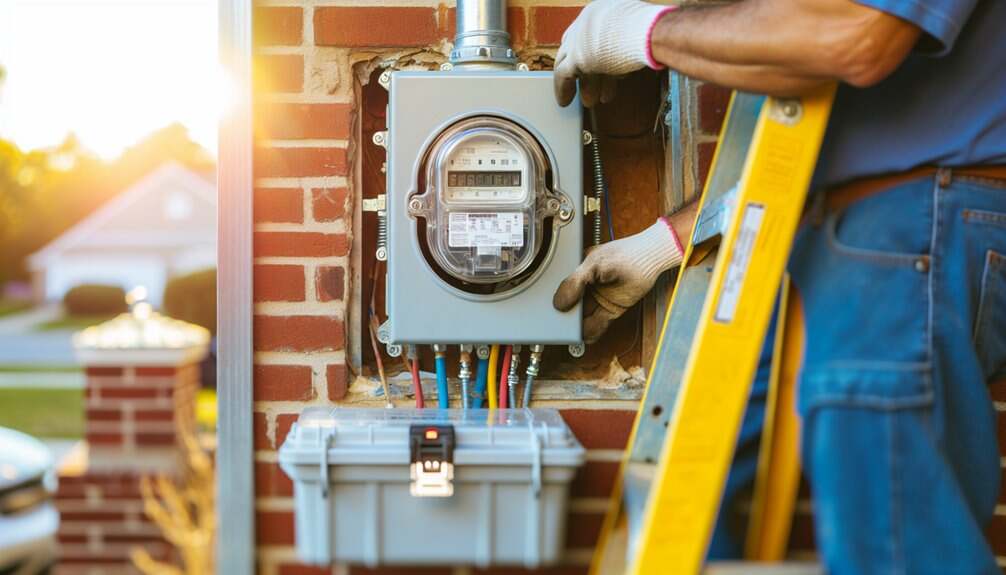
A prevalent configuration in electrical installations is the underground feed to an exterior wall meter box, which efficiently connects the utility supply to the building's electrical system.
This setup involves routing underground service wires directly to a meter mounted on the exterior wall, facilitating easy access for utility personnel.
Key considerations include:
Conduit Selection: Utilize appropriate conduit materials such as PVC or galvanized steel to protect cables from environmental damage.
Depth of Burial: Adhere to local codes, typically requiring a minimum depth of 24 inches, to guarantee cable protection and prevent accidental damage.
Weatherproofing: Confirm that the exterior meter box is rated for outdoor use, providing adequate protection against moisture and corrosion.
This configuration is favored for its streamlined design and effective utility integration.
Underground Feed to Meter Pedestal Installation
Incorporating underground feed to a meter pedestal installation offers a versatile solution for electrical service delivery, especially in areas where wall-mounted meters are impractical or prohibited.
This configuration guarantees secure, unobtrusive placement, accommodating utility requirements and environmental aesthetics. The installation process involves precise trenching, careful conduit placement, and adherence to relevant electrical codes.
The pedestal itself should be robustly constructed, often composed of durable materials like galvanized steel or composite, to withstand environmental challenges. Proper grounding and bonding are essential to guarantee safety and system integrity.
Additionally, the meter pedestal must allow for easy access and maintenance, providing a clear, organized layout for utility personnel. This method offers an efficient, reliable approach to underground electrical service connections.
Underground Service for Multi-Unit or Commercial Sites
When considering underground service solutions for multi-unit or commercial sites, utilizing common underground meter box configurations emerges as an effective strategy.
These configurations guarantee efficient distribution and management of electrical service across multiple units. The use of standardized configurations facilitates maintenance and compliance with electrical codes, while also optimizing space and resources.
Key considerations include:
Load Requirements: Assess the cumulative electrical load to determine appropriate meter box sizing and capacity.
Accessibility: Confirm meter boxes are installed in locations that allow for easy access for maintenance and emergency shutoffs.
Protection: Implement robust waterproofing and corrosion-resistant materials to safeguard the meter boxes against environmental factors.
Such meticulous planning and execution greatly enhance operational reliability and safety for multi-unit or commercial electrical systems.
How to Choose the Right Meter Box for Underground Service
Choosing the right meter box for underground service starts with a clear understanding of the electrical load requirements. The enclosure must be rated to safely accommodate the expected service capacity, allowing sufficient space for conductors, terminations, and future maintenance without overstressing components.
Environmental protection is equally critical for underground installations. We recommend selecting a meter box designed to resist moisture ingress, corrosion, and long-term soil exposure, with appropriate enclosure ratings to protect internal components from condensation and contaminants.
Compliance with utility-approved designs and installation standards is essential. Using an approved meter box ensures compatibility with service equipment, simplifies inspections, and reduces the risk of delays during commissioning.
At MJBOX, we design our enclosures specifically to support underground service applications. Our solutions combine durable construction, flexible internal layouts, and maintenance-friendly designs, helping ensure reliable performance and long service life in demanding environments.
If you need assistance selecting or customising a meter box for underground service, contact MJBOX to discuss your project requirements and enclosure options.
Frequently Asked Questions
What Are the Maintenance Practices for Underground Service Meter Boxes?
Regular inspection, ensuring tight connections, checking for moisture infiltration, cleaning debris, verifying grounding integrity, and confirming proper sealing are essential maintenance practices for underground service meter boxes, ensuring peak functionality and preventing potential electrical hazards.
How Do Weather Conditions Affect Meter Box Installations?
Weather conditions impact meter box installations through factors like soil erosion, moisture levels, and temperature fluctuations. These elements can compromise structural integrity, necessitating meticulous planning and protective measures for ideal performance and longevity of the installation.
Can Smart Meters Be Used With Underground Service Meter Boxes?
Smart meters, symbolizing the evolution of energy management, are compatible with underground service meter boxes. Their integration requires adherence to precise specifications ensuring seamless communication, reliable data transmission, and protection against environmental elements, empowering users with control over energy consumption.
How Often Should Underground Meter Boxes Be Inspected?
Underground meter boxes should be inspected annually to guarantee compliance with safety standards and operational efficiency. Regular inspections help identify potential issues early, preventing costly repairs and guaranteeing reliable service continuity for utility providers and consumers alike.
What Are the Signs of a Failing Underground Meter Box?
Cracks appearing like a spider's web, moisture infiltration, corrosion, and inconsistent meter readings are clear signs of a failing underground meter box. Regular monitoring and maintenance guarantee peak performance and prevent costly service interruptions or safety hazards.
Conclusion
To summarize, selecting and installing a meter box for underground service demands meticulous attention to technical specifications and regulatory compliance. Significantly, the National Electrical Manufacturers Association (NEMA) estimates that approximately 30% of electrical failures are due to improper enclosure selection, underscoring the critical importance of choosing the correct NEMA-rated box. Adhering to grounding, bonding, and material guidelines not only enhances safety but also prolongs the lifespan of electrical systems, ensuring reliable service and minimizing costly maintenance.
We are deeply committed to excellence in everything we do, ensuring meticulous control over our products to deliver unparalleled quality and outstanding service to our customers.













 Chinese