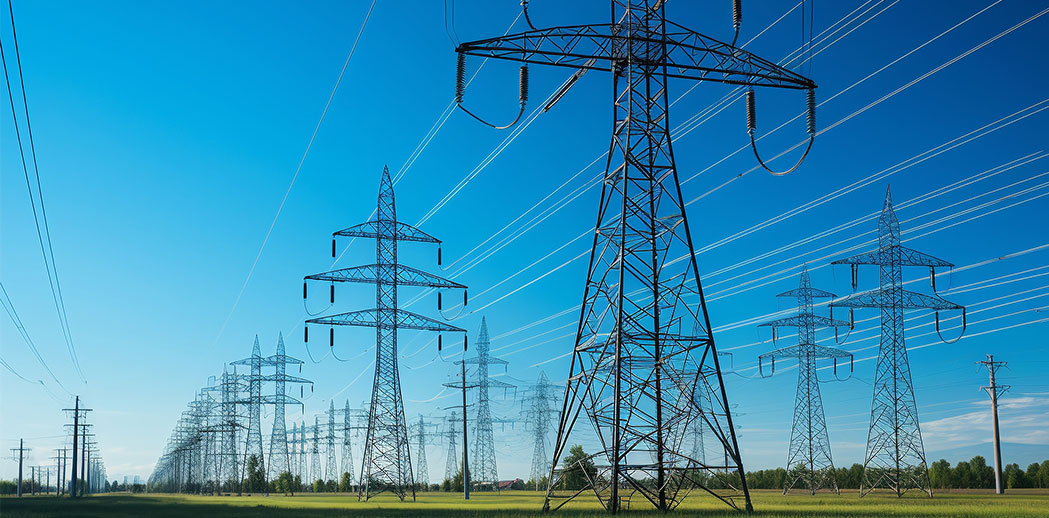
In the power supply industry, distribution boxes are essential for reliable power distribution, circuit protection, and voltage conversion.
Equipment Solutions
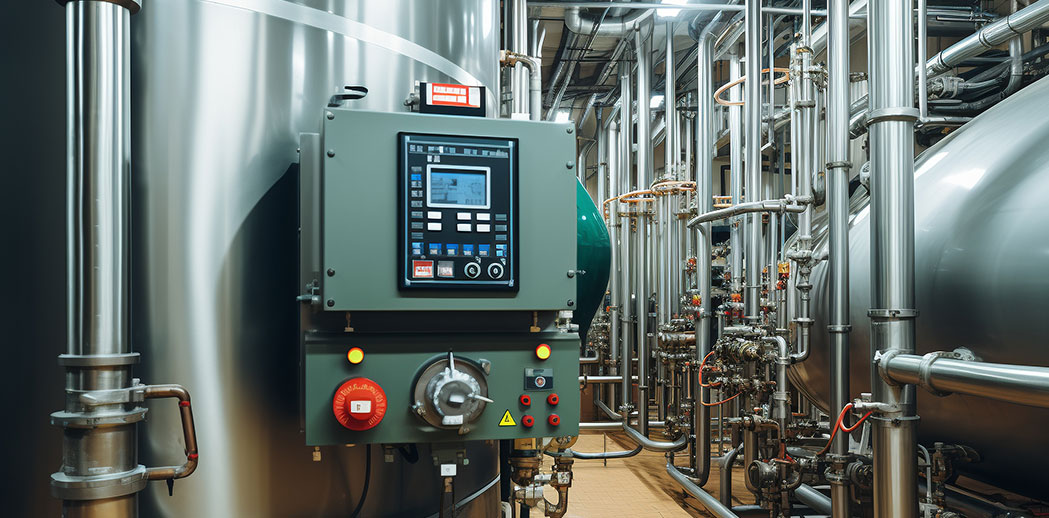
For customers of mechanical equipment, our product series mainly include PLC control cabinets and HMI housings
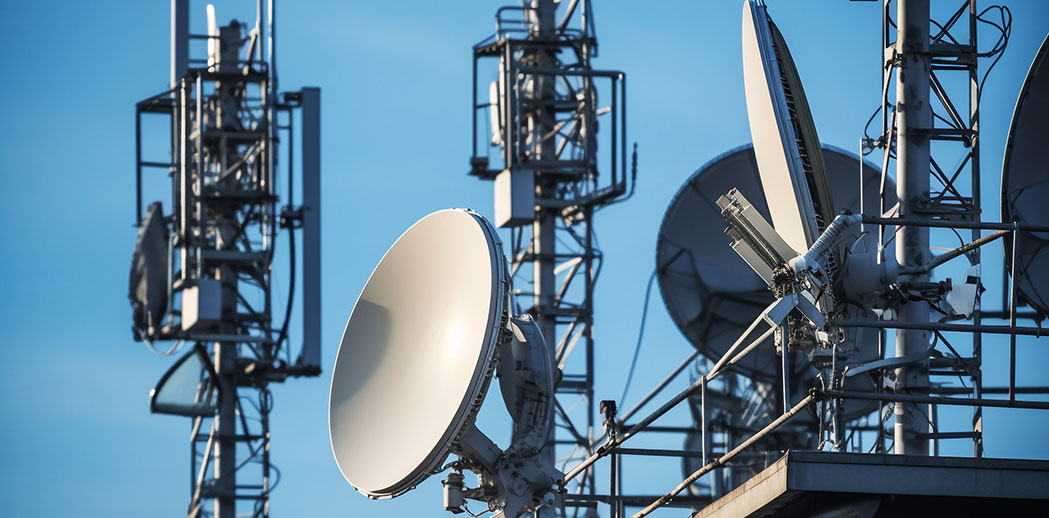
Communication Solutions
For customers of mechanical equipment, our product series mainly include PLC control cabinets and HMI housings
Security Solutions
In the field of security monitoring, we will comprehensively consider key factors such as the power requirements, power supply type, and power supply method of the monitoring equipment when designing the electrical box.
Solar Energy Solutions
In the field of security monitoring, we will comprehensively consider key factors such as the power requirements, power supply type, and power supply method of the monitoring equipment when designing the electrical box.
Oil & Gas Solutions
In the field of security monitoring, we will comprehensively consider key factors such as the power requirements, power supply type, and power supply method of the monitoring equipment when designing the electrical box.
Rail Solutions
Our engineering team has extensive experience in rail transit projects across China, providing custom solutions like cabinets.
Construction Solutions
Whether it is a high-rise building, commercial complex or industrial facility, our professional team will deeply analyze the characteristics of each project, including power load
Fire Safety Solutions
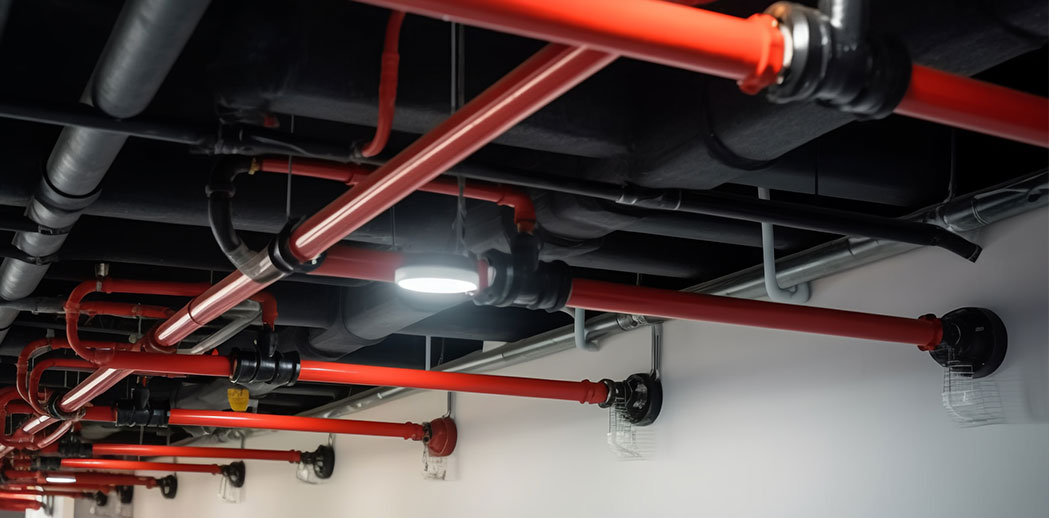
Customized fire hydrants, built to your exact needs. We combine top-quality materials and strict adherence to GB50974-2014 standards to deliver hydrants that ensure safety, durability, and compliance.
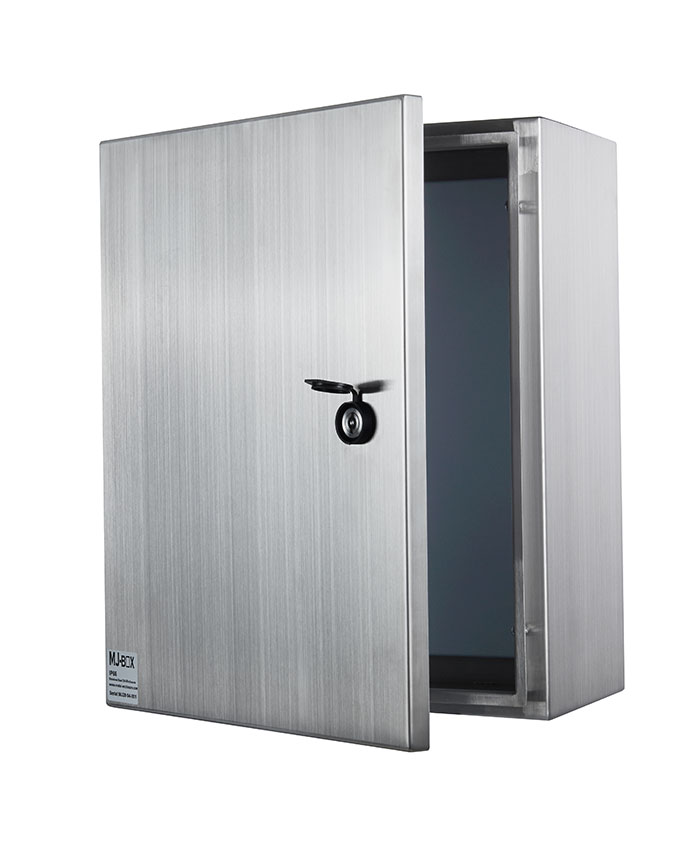
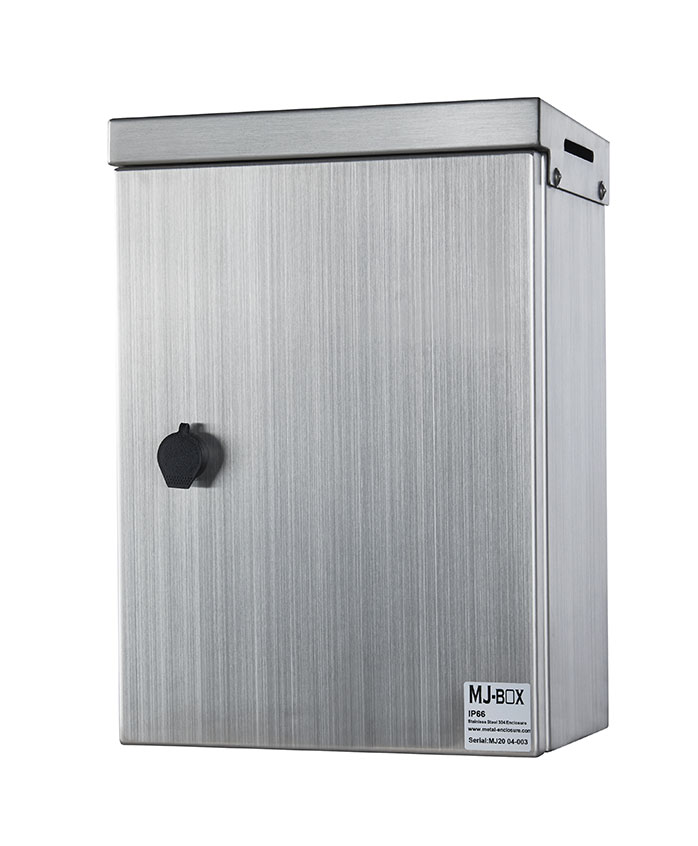
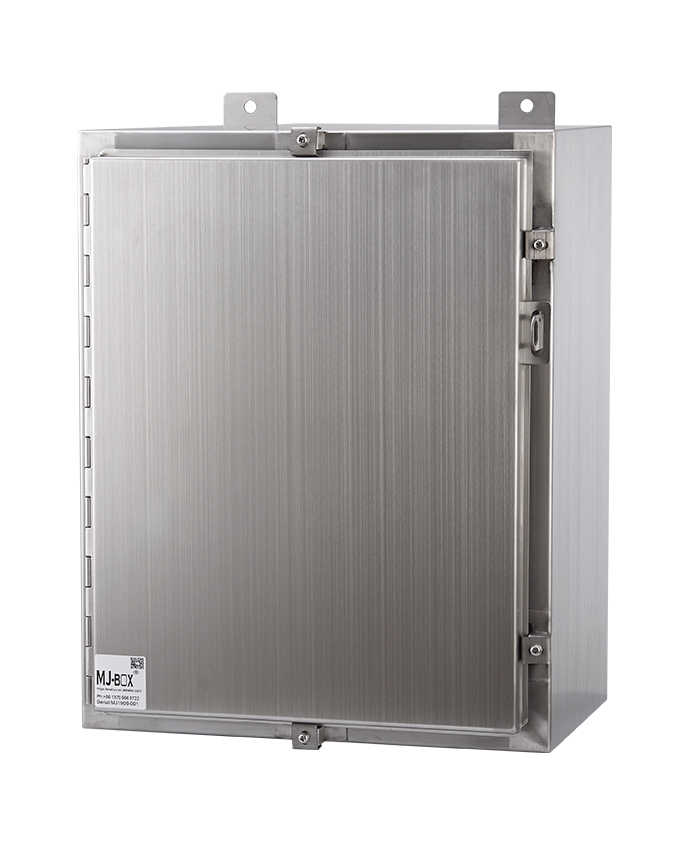
MJ-BOX offers a variety of wall-mounted enclosures in different sizes and materials. These enclosure are used of quality materials such as stainless steelcold rolled steel and Aluminum.They cover a wide range of applications. All of our enclosures are CE certified and IP66 rated.They are suitable for applications that require protection from dust, moisture and corrosion.
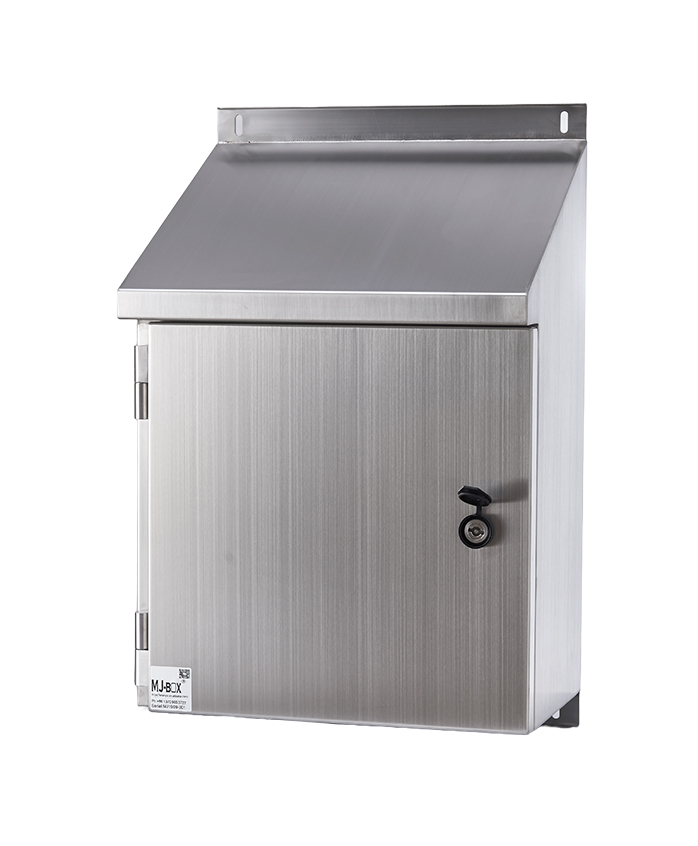
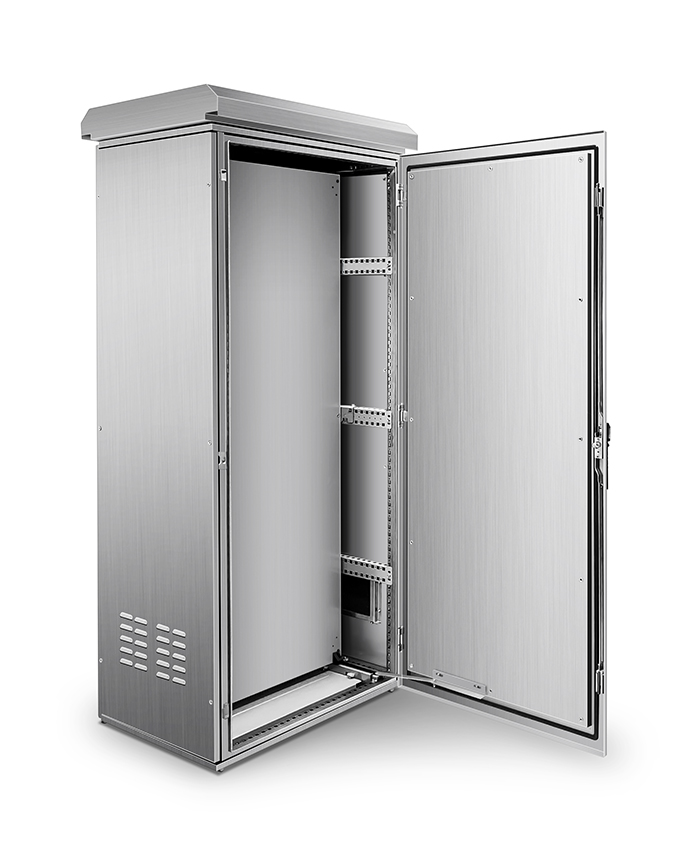
Explore the limits of durability and functionality with the MJ-BOX's double-sloped roof shell. The innovative removable 15° pitched roof reducing internal temperature by 20% in direct sunlight.ensures superior drainage and maintenance, preventing water accumulation and extending life.
The combination of 30° inclined roof design and IP66 can better resist heavy rain and dust in the air. It is very suitable for food processing plants, construction sites, etc. to fight against airborne particles.
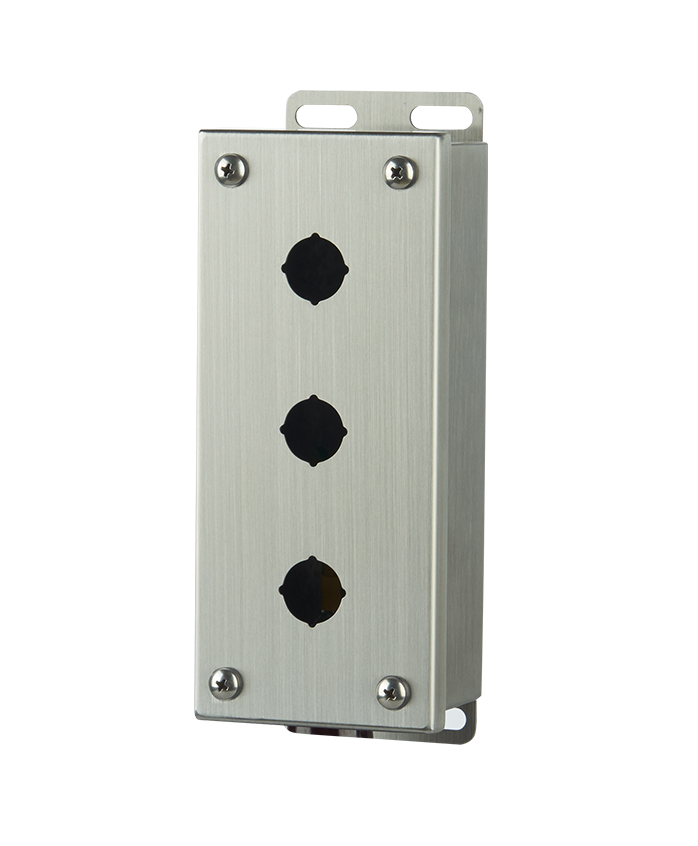
Heavy-duty stations with illuminated buttons and emergency stops. Modular design allows custom labeling and layout adjustments for CNC machines, conveyor systems, and production lines.
This explosion proof enclosure provides strong physical protection against impact and environmental hazards through reinforced welds and interlocking door mechanisms. It is ideal for protecting electrical components in volatile workshops or high traffic industrial areas.
Engineered for heavy-duty protection of large-scale electronics, our enclosures combine multi-material construction (steel/aluminum/composite) with adaptable mounting systems. Thrive indoors or outdoors in harsh settings—from automated warehouses to chemical plants—featuring corrosion-resistant finishes, tool-less panel access, and modular interiors for complex configurations.
Electric Meter Box Height — Specification Guide for Safe, Code-Compliant Installations | MJBOX
12.04. 2025 | News, Electrical Box
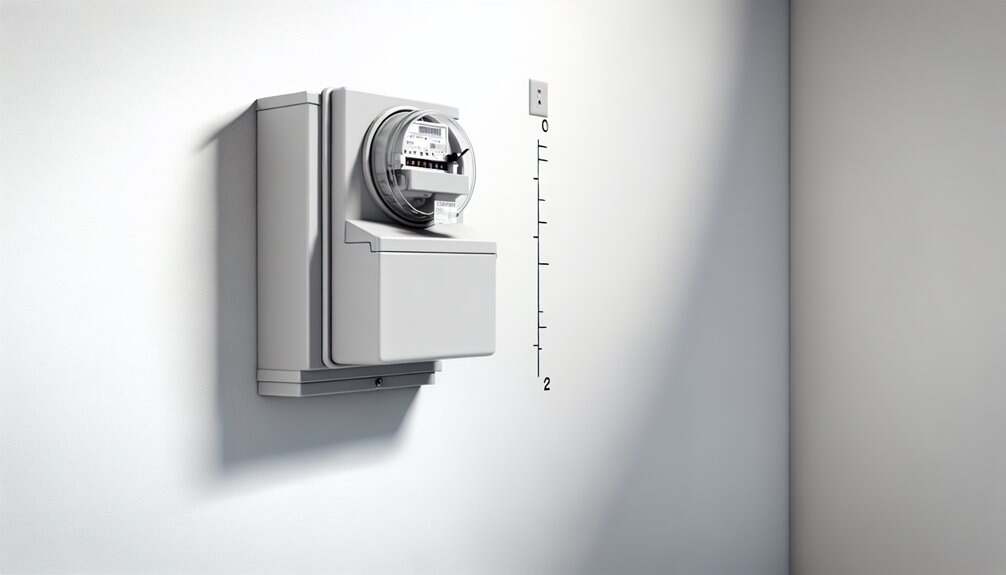
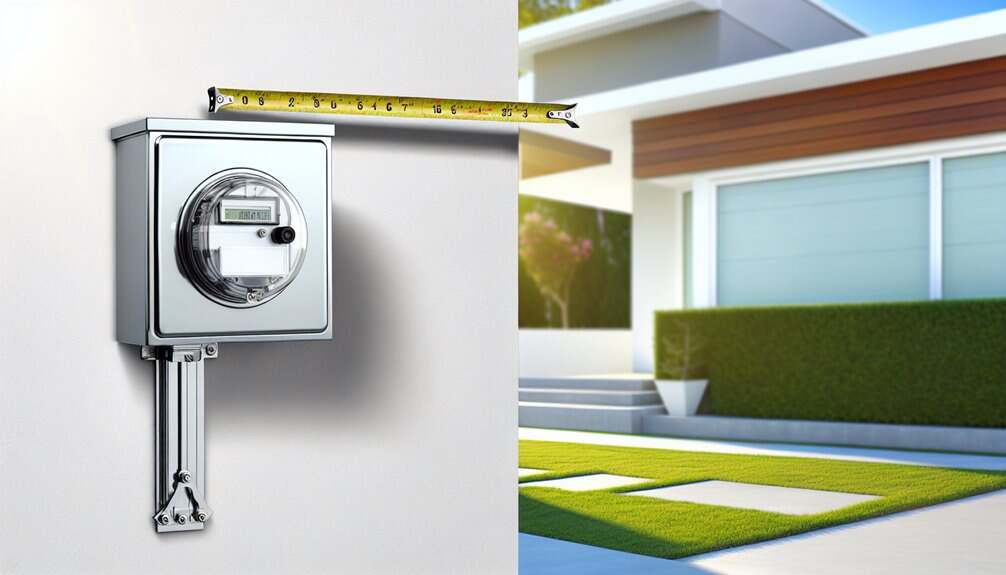
Ensuring the correct height for electric meter boxes is essential for safety and compliance with the National Electric Safety Code. Residential installations typically follow recommended heights between 1.4m and 1.7m, catering to accessibility and operational efficiency. Adhering to these standards mitigates risks and streamlines maintenance. MJBOX provides tailored solutions, addressing specific operational requirements. Understanding the nuances of meter box height specification is key to achieving a safe, efficient electrical system.
Key Takeaways
Meter box height must comply with local codes, typically between 1.4m and 1.7m.
Maintain a minimum of 3 feet of unobstructed space in front of meter boxes for accessibility.
Installations must adhere to safety standards like the National Electric Safety Code.
Wall-mounted enclosures should avoid flood-prone and splash zone areas.
MJBOX offers custom height configurations for specific operational and environmental needs.
Why Meter Box Height Matters in Installation and Compliance
The height of an electric meter box plays an essential role in guaranteeing compliance with safety codes and facilitating efficient maintenance procedures. Proper coordination with junction box placement helps maintain clear routing for hot, neutral, and ground conductors and supports safe wire terminations.
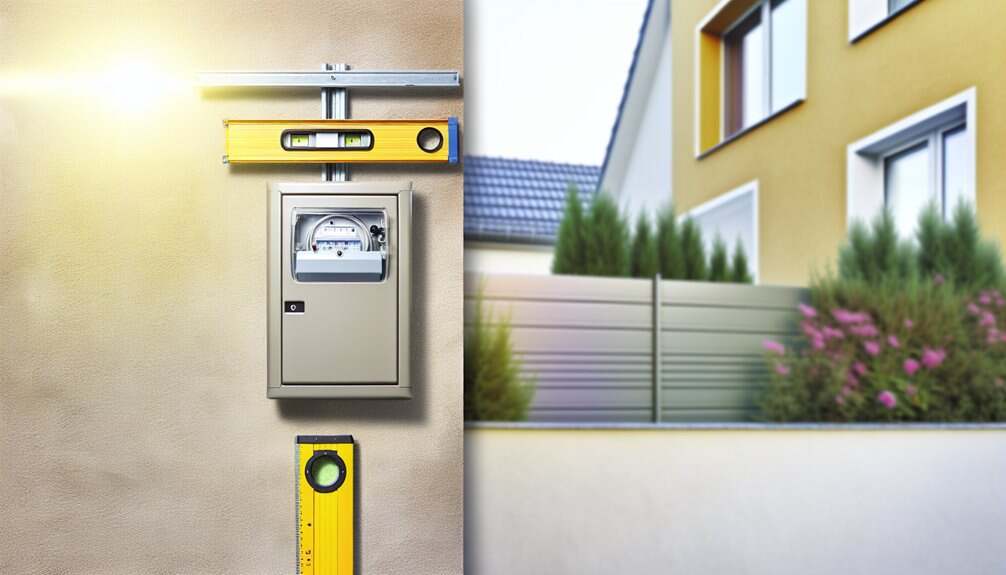
Proper electric meter box height is vital for adhering to utility meter box height standards and meter box clearance requirements. The meter box mounting height must align with local electrical codes to prevent non-compliance and guarantee accessibility for service operators. Accurate selection of enclosures with appropriate IP ratings helps ensure resistance to dust and moisture in line with IEC 60529 standards.
An ideal meter room clearance requirement includes maintaining unobstructed space from the floor to a minimum height of 6'6", allowing for effective maintenance and safety checks.
Improper height can lead to risks of damage, increased maintenance difficulties, and hindered readability. Consequently, precision in installation height is paramount to guaranteeing safe and code-compliant operations, minimizing potential hazards.
Additionally, ensuring the meter box complies with protection ratings like NEMA or IP helps safeguard equipment from dust and moisture in diverse environments.
Common Height Standards and Recommendations
Common height standards for electric meter installations are primarily dictated by local electrical codes, which specify typical residential heights between 1.4 meters and 1.7 meters to guarantee accessibility and compliance. As part of broader electrical safety practices, aligning meter placement with properly rated enclosures and surge protection helps maintain system integrity and reduce risk during faults.
Variations exist for commercial, multi-meter, or meter-bank installations, where additional considerations such as structural integration and operational efficiency may adjust the standard height parameters. When selecting or designing enclosures, consider NEMA ratings and IP classifications to match environmental exposure and ensure adequate protection.
Utility guidelines emphasize adherence to these codes, assuring safe and efficient access for both maintenance personnel and utility service providers.
When planning meter elevations, consider enclosure material and ratings to withstand on-site conditions, ensuring compliance with IP and NEMA standards for durability and environmental protection.
Typical Residential & Utility Guidelines
Residential and utility providers follow strict height and clearance standards to ensure safe, compliant, and easily accessible installations. Correct electrical meter box height, meter socket height, and meter base mounting height are essential for inspection access, utility servicing, and long-term system reliability.
For most installations, the meter centerline height should fall within:
3 to 6 feet above finished grade for underground service entrances
4 to 6 feet above finished grade for overhead service drops
These levels align with standard wall-mounted meter box height requirements and ensure the meter remains visible, accessible, and serviceable under all conditions.
In addition, utility standards typically require a minimum of 3 feet of clear, unobstructed working space in front of the meter. This provides safe access for maintenance, troubleshooting, and emergency response.
Installation Type
Centerline Height Range
Required Front Clearance
Underground Service
3–6 ft
3 ft
Overhead Service
4–6 ft
3 ft
Wall-Mounted Meter Box
As per local code
3 ft
Adhering to these height and clearance requirements supports code compliance, operational efficiency, and safe utility access throughout the meter’s service life.
Variations for Commercial, Multi-Meter, or Meter-Bank Installations
Commercial and multi-meter installations necessitate adherence to specific height standards and recommendations to guarantee compliance with electrical codes and safety regulations. Incorporating proven passive cooling methods in enclosure design can further enhance reliability by leveraging natural convection and high-conductivity materials without altering required mounting heights.
The meter bank height code dictates that the multi-meter bank cabinet height should accommodate varying installation scenarios, making certain that the meter socket centerline height remains within acceptable parameters. Incorporating thermal management strategies helps maintain safe operating temperatures in high-heat environments without compromising required mounting heights.
Additional mounting height constraints arise when multiple meters or CT enclosures are stacked, requiring careful consideration of the meter enclosure clearance zone to maintain safety and accessibility.
Custom meter box enclosures must also factor in these guidelines to avoid obstruction and assure operability.
Top-mounted or high-placed boxes may necessitate the inclusion of platforms or steps for clear access, impacting design considerations and adherence to safety protocols.
When selecting enclosures for outdoor or harsh locations, align mounting heights with the required IP rating to ensure the installation’s durability against dust and water exposure.
Factors That Influence Height Specification for Meter Boxes
Height specifications for electric meter boxes are dictated by a range of factors including the service type—residential versus industrial/commercial—and the mounting method, such as wall, pole, recessed, or meter room installations. Incorporating corrosion monitoring and regular inspections helps identify early degradation in harsh environments, supporting proactive maintenance and longer service life.
Local codes and utility requirements must be adhered to, making certain installations comply with safety and operational standards, while environmental conditions such as moisture and potential hazards also play a critical role in determining suitable placement. When selecting enclosures for corrosive or high-moisture areas, consider materials with proven resistance such as stainless steel or fiberglass-reinforced polyester to enhance longevity and reduce maintenance.
These considerations collectively make sure that meter installations are both functional and compliant with regulatory frameworks.
In environments exposed to dust and moisture, selecting compatible gasket materials and ensuring proper venting per UL 50E can help maintain enclosure integrity and reduce maintenance.
Service Type — Residential vs Industrial / Commercial
When considering the installation height specification for meter boxes, the service type—whether residential or industrial/commercial—plays a critical role in determining the appropriate requirements. Integrating height planning with monitoring and control features helps ensure safe access for diagnostics and supports future-ready power management.
Industrial installations may necessitate a higher industrial meter enclosure height to accommodate high-amp, high-phase systems, ensuring adequate bottom/top clearances and cable bend radius. The pole-mounted meter base height must comply with rigorous standards for safety and accessibility. Selecting enclosures with appropriate ingress protection also supports longevity and reduces maintenance in demanding environments.
Weatherproof meter box mounting height considerations are essential to prevent moisture ingress, particularly in industrial settings susceptible to environmental factors.
In contrast, residential installations often favor streamlined, mjbox custom meter enclosure solutions that require less space.
These differing requirements underscore the importance of tailoring installation specifications to service type for ideal compliance and functionality, aligning with industry codes and standards.
Additionally, ensure that height and placement decisions maintain required NEMA and IP ratings after any customization to preserve safety and performance.
Mounting Method — Wall, Pole, Recessed, Meter Room
Mounting methods for electric meter boxes, whether wall-mounted, pole-mounted, recessed, or located within a meter room, considerably influence height specifications and installation practices.
Wall-mounted exterior enclosures require careful attention to splash zones, flood levels, and accessibility to guarantee compliance with safety standards. Incorporating enclosures with appropriate NEMA ratings helps ensure durability against rain, dust, and UV exposure in outdoor environments. Regular inspections of seals and gaskets help maintain enclosure integrity and support long-term compliance in varying indoor and outdoor conditions.
Pole-mounted or pedestal boxes necessitate adherence to utility guidelines concerning mounting height, clearance, and mechanical support to maintain structural integrity.
Recessed boxes or those within meter rooms demand sufficient vertical clearance for maintenance activities, including door swing and internal layout considerations.
Wall-mounted installations must avoid splash zones and flood-prone areas.
Pole-mounted setups rely on utility-mandated clearance and support criteria.
Recessed meter rooms require ample vertical clearance for maintenance access.
These varying methods highlight the necessity for precise execution to fulfill regulatory requirements.
For outdoor installations, choose enclosures that meet appropriate IP65–IP67 ratings to ensure weatherproof performance and long-term reliability.
Local Codes, Utility Requirements and Environmental Conditions
The mounting method considerably impacts the regulatory and environmental considerations that dictate the precise height specifications for electric meter boxes. Incorporating enclosures with proper IP ratings helps ensure resilience against dust and moisture in challenging environments. In marine and coastal areas, selecting materials like 316L stainless steel can mitigate accelerated corrosion from salt spray and UV exposure.
Local codes and utility requirements may supersede general guidelines, necessitating verification with the AHJ or utility provider to ascertain compliance.
Environmental conditions such as flood zones, snow levels, and corrosion risks dictate the need for elevated installations or specialized enclosures.
These factors require meticulous consideration to prevent damage and secure operational efficiency.
The installation must also adhere to the National Electric Safety Code, integrating specific regional and environmental requirements.
Ultimately, the confluence of these considerations guarantees that meter boxes are installed at a height that ensures safety, accessibility, and compliance, aligning with both regulatory mandates and environmental challenges.
In hazardous locations, selecting enclosures that meet ATEX/IECEx certification ensures durable, compliant installations that withstand harsh conditions and support long-term safety.
How to Specify Meter Box Height for Your Project — Step-by-Step Guide
To accurately specify meter box height for a project, one must initially determine the service feed type, whether overhead or underground, as it directly influences installation parameters.
Subsequent steps involve defining the meter configuration—single, multi-meter, CT, or 3-phase—and calculating essential clearances including front, top, and bottom to guarantee compliance with safety standards.
Verification with local codes and utility requirements, alongside considerations for maintenance, access, and potential future expansion, completes the thorough guideline for successful installation.
Step 1 — Determine Service Feed Type (Overhead vs Underground)
Identifying the correct service feed type, whether overhead or underground, is essential in specifying the appropriate meter box height for any project. The service feed type dictates installation parameters critical for compliance and safety. Integrating compliant surge protective devices within the distribution setup enhances safety and reliability during installation and operation. Incorporating modular assembly with visual indicators supports proactive maintenance and flexible future upgrades.
Overhead feeds typically require a meter centerline height between 4 to 6 feet from the finished grade. Conversely, underground feeds necessitate a centerline height ranging from 3 to 6 feet.
Key considerations include:
Clearance Requirements: Guarantee a minimum of 3 feet unobstructed space in front of meters.
Separation Standards: Maintain at least 3 feet separation between electric and natural gas facilities.
Environmental Conditions: Choose locations free from excessive moisture, vibrations, and heat.
These technical aspects guarantee adherence to the National Electric Safety Code and facilitate a secure, efficient installation. Additionally, ensuring compatibility with safety standards like UL and CE during component selection supports code compliance and long-term reliability in varied environments.
Step 2 — Define Meter Configuration (Single, Multi-Meter, CT, 3-Phase)
After determining the service feed type, specifying the meter configuration becomes a critical step in establishing the correct meter box height. The configuration, whether single, multi-meter, CT, or 3-phase, dictates specific requirements under the National Electric Safety Code. Integrating proper ventilation design in enclosure planning helps prevent thermal buildup that could affect meter performance and longevity in high-temperature environments. Selecting materials and enclosure types with appropriate corrosion resistance and durability helps ensure long-term performance, especially in outdoor or harsh installations.
Single meters typically serve one unit, while multi-meters accommodate multiple dwellings, necessitating careful planning to maintain regulatory compliance. Current Transformer (CT) meters, often used for higher current applications, require additional space and specific height considerations for safe installation.
Three-phase meters, essential for commercial settings, demand precise alignment and height specifications to guarantee accurate readings and operational efficiency. Each configuration affects the installation height, which must adhere to regional codes, guaranteeing reliability and safety while facilitating maintenance and accessibility.
When meter configurations require unique layouts or environments, selecting NEMA and IP ratings aligned with enclosure customization helps ensure proper protection, accessibility, and long-term reliability.
When determining the appropriate meter box height for an electrical project, calculating the required clearances in front, top, and bottom is a critical step.
Precise clearances guarantee compliance with safety and operational guidelines and facilitate maintenance access. For unobstructed functionality and adherence to standards, consider the following: Incorporating IEC/EN 61439 compliance checks during planning helps ensure the enclosure selection and layout meet recognized safety and performance requirements. Additionally, aligning enclosure choices with NEMA Ratings helps verify protection against environmental factors commonly encountered in railway and other dynamic applications.
Front Clearance: Maintain a minimum of 3 feet of unobstructed space to guarantee accessibility and safe operation.
Top Clearance: Make sure space extends upwards to the top of the equipment, especially for installations above 6'6".
Bottom Clearance: Position the centerline of underground installations between 3 to 6 feet from the finished grade for ideal visibility and protection.
These clearances are essential for maintaining operational efficiency and guaranteeing installations meet all applicable safety codes. To further enhance safety and code compliance, ensure meter box selections and installation details align with recognized fire-rated enclosures standards and best practices to reduce ignition risks and prevent fire spread.
Step 4 — Verify Local Codes and Utility Requirements
Having established the necessary clearances in front, top, and bottom of the electric meter installation, attention must now shift to verifying local codes and utility requirements. Understanding these codes is critical to ensuring that installations are both safe and compliant.
Local electrical codes dictate specific height parameters, generally ranging from 1.4 to 1.7 meters, to enhance accessibility and safety. It is imperative to consult local regulations as variations can occur due to regional climate considerations and unique service requirements.
Additionally, utility company guidelines may impose specific stipulations concerning equipment placement and separation, including mandatory distances from gas meters and other utilities. Ensuring adherence to these directives not only maintains legal compliance but also optimizes operational efficiency and safety.
Step 5 — Account for Maintenance, Access, and Future Expansion
Considering the intricacies of maintenance, access, and potential for future expansion is essential in specifying the ideal height for an electric meter box. Proper planning guarantees efficient upkeep and adaptability for future changes.
When determining the installation height, several critical factors must be considered:
Maintenance Accessibility: Guarantee the height allows for straightforward inspection and repair without requiring additional tools, adhering to industry standards.
Future Expansion: Allocate space above and around the meter for potential upgrades or additional equipment, maintaining compliance with local codes.
Access for Multiple Users: Facilitate ease of access for both utility personnel and property owners to read and service the meter, enhancing operational efficiency.
These considerations guarantee a future-proof, code-compliant installation that meets all user and regulatory requirements.
Additionally, ensure the meter box height and location accommodate weatherproof/outdoor boxes where exposed to the elements, providing corrosion resistance and moisture protection for safe, long-term performance.
MJBOX Solutions for Custom Height & Enclosure Configurations
MJBOX provides fully customisable meter box and enclosure configurations engineered to meet precise height requirements, dimensional specifications, and installation constraints. Each solution is built to align with local utility standards, electrical codes, and on-site safety criteria.
Our enclosures are manufactured using ISO-certified processes, ensuring structural strength, corrosion resistance, and long-term performance in demanding environments. Through advanced automation and human-machine collaboration, MJBOX maintains tight tolerances and consistent product quality across every production run.
Whether the project involves new construction or integrating equipment into existing infrastructure, MJBOX supports seamless compatibility with service entrance equipment, utility requirements, and clearance standards. Custom options include weatherproofing, ventilation, insulation, specialised mounting systems, and project-specific height adaptations.
With a commitment to client-driven engineering, MJBOX delivers flexible solutions suitable for contractors, developers, OEMs, and large-scale installations—helping ensure compliance while improving accessibility and maintenance efficiency.
Looking for a tailored enclosure or custom meter box configuration? Contact MJBOX for engineered solutions built to your exact specifications.
Frequently Asked Questions
What Are the Consequences of Incorrect Meter Box Installation Height?
Incorrect meter box installation height can lead to accessibility issues, increased maintenance difficulty, non-compliance with electrical codes, heightened safety risks, and potential damage from environmental factors, ultimately compromising operational efficiency and reliability of electrical service delivery.
Can Meter Boxes Be Installed Indoors?
Meter boxes can be installed indoors if local codes permit, ensuring compliance with National Electric Safety Code. Installation must avoid moisture, vibrations, and heat sources. Indoor placement should provide unobstructed access for maintenance and adhere to space requirements.
Are There Special Height Requirements for Commercial Meter Installations?
Commercial meter installations require adherence to local electrical codes, typically specifying heights between 1.4 and 1.7 meters for accessibility and safety. Compliance guarantees accurate readings and maintenance efficiency, aligning with industry standards to mitigate operational risks.
How Does Terrain Affect Meter Box Height Specifications?
Terrain impacts meter box height by requiring adjustments to guarantee compliance with local codes, prevent water ingress, and maintain accessibility. Sloped or uneven ground may necessitate custom installations to achieve ideal height and secure meter functionality.
Are There Height Adjustments for Extreme Weather Regions?
Height adjustments are necessary for extreme weather regions to guarantee compliance with local codes, mitigating risks such as water ingress and wind damage. Installations should account for snow accumulation, flooding potential, and temperature variations to maintain operational integrity.
Conclusion
To summarize, adhering to precise meter box height specifications is critical for ensuring compliance with safety codes, such as the National Electric Safety Code. By considering factors like accessibility and operational efficiency, installations can avoid costly violations and enhance service reliability. MJBOX stands out by offering customizable solutions that meet specific project requirements, emphasizing the importance of a meticulous approach. Ultimately, proper height specification is not just a guideline; it is a fundamental component of safe and efficient electrical infrastructure.
We are deeply committed to excellence in everything we do, ensuring meticulous control over our products to deliver unparalleled quality and outstanding service to our customers.












 Chinese