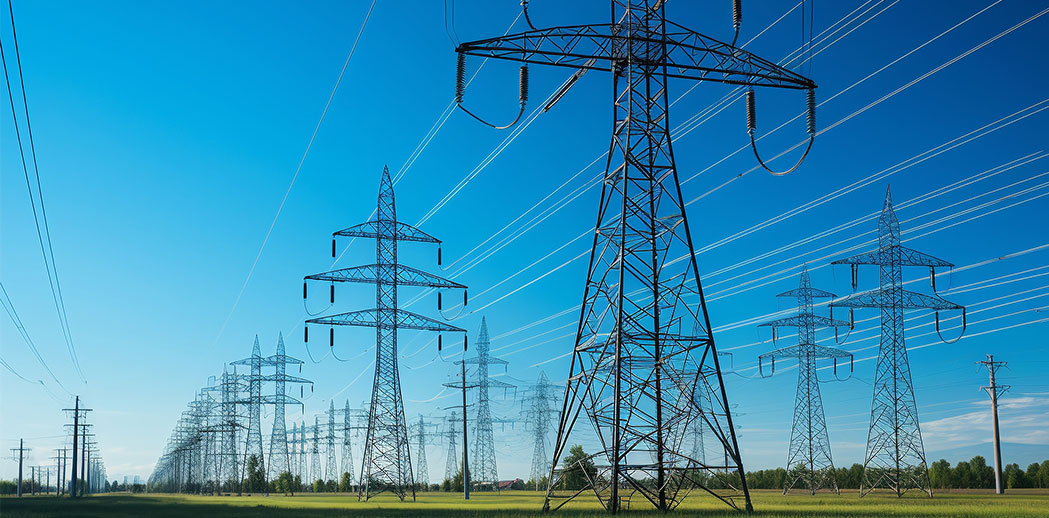
In the power supply industry, distribution boxes are essential for reliable power distribution, circuit protection, and voltage conversion.
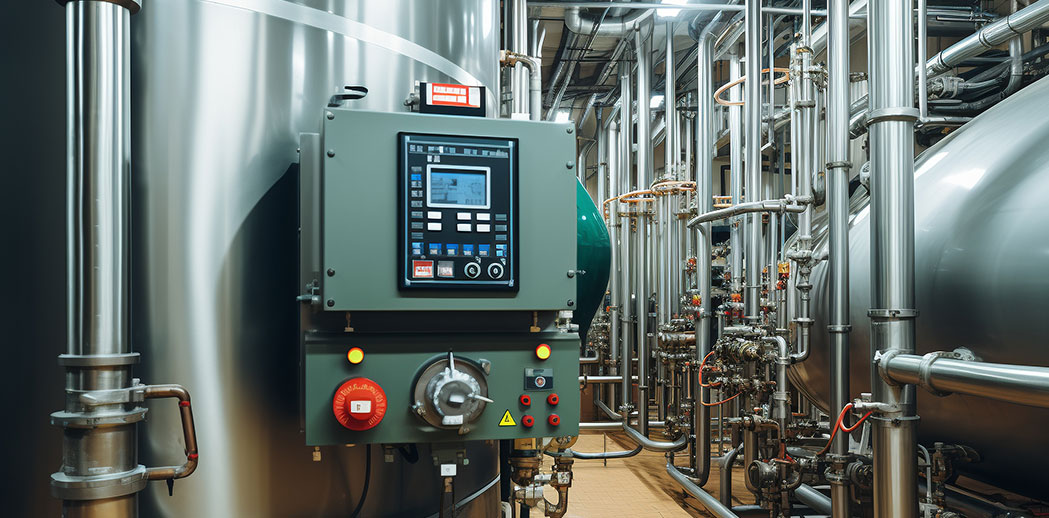
Equipment Solutions
For customers of mechanical equipment, our product series mainly include PLC control cabinets and HMI housings
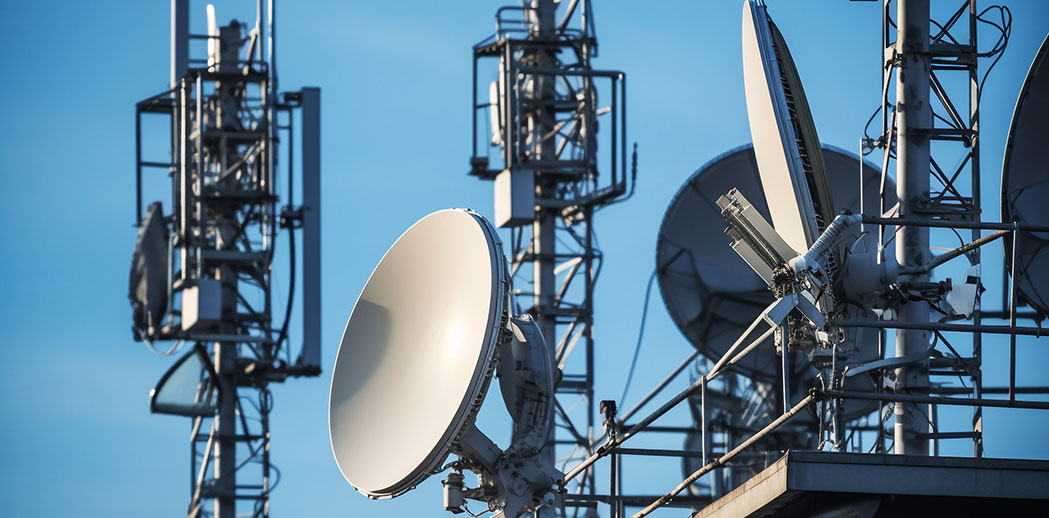
Communication Solutions
For customers of mechanical equipment, our product series mainly include PLC control cabinets and HMI housings
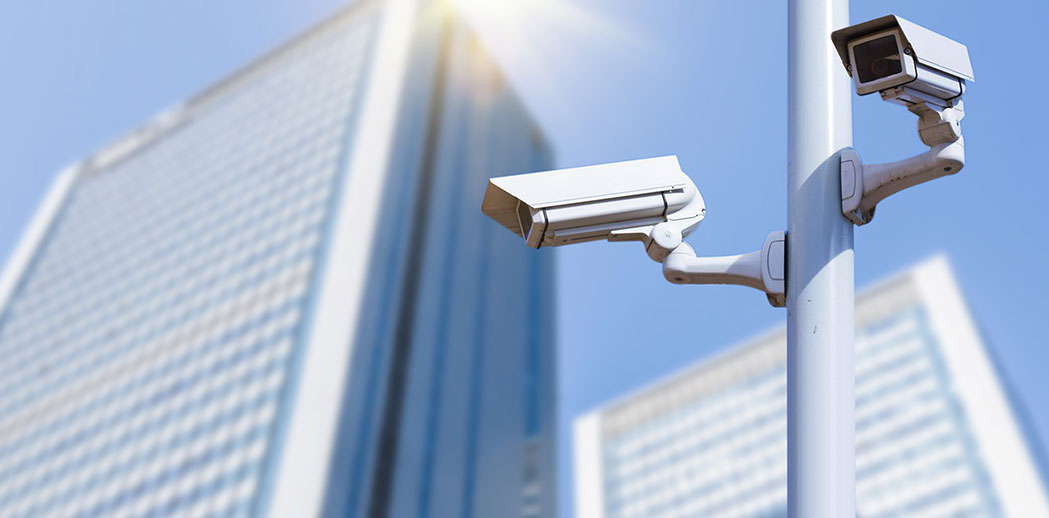
Security Solutions
In the field of security monitoring, we will comprehensively consider key factors such as the power requirements, power supply type, and power supply method of the monitoring equipment when designing the electrical box.
Solar Energy Solutions
In the field of security monitoring, we will comprehensively consider key factors such as the power requirements, power supply type, and power supply method of the monitoring equipment when designing the electrical box.
Oil & Gas Solutions
In the field of security monitoring, we will comprehensively consider key factors such as the power requirements, power supply type, and power supply method of the monitoring equipment when designing the electrical box.
Rail Solutions
Our engineering team has extensive experience in rail transit projects across China, providing custom solutions like cabinets.
Construction Solutions
Whether it is a high-rise building, commercial complex or industrial facility, our professional team will deeply analyze the characteristics of each project, including power load
Fire Safety Solutions
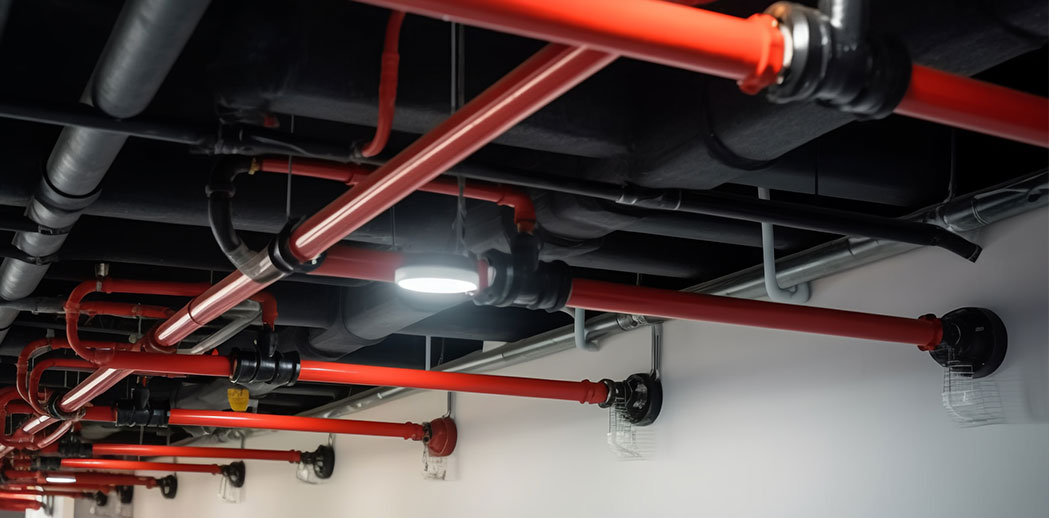
Customized fire hydrants, built to your exact needs. We combine top-quality materials and strict adherence to GB50974-2014 standards to deliver hydrants that ensure safety, durability, and compliance.
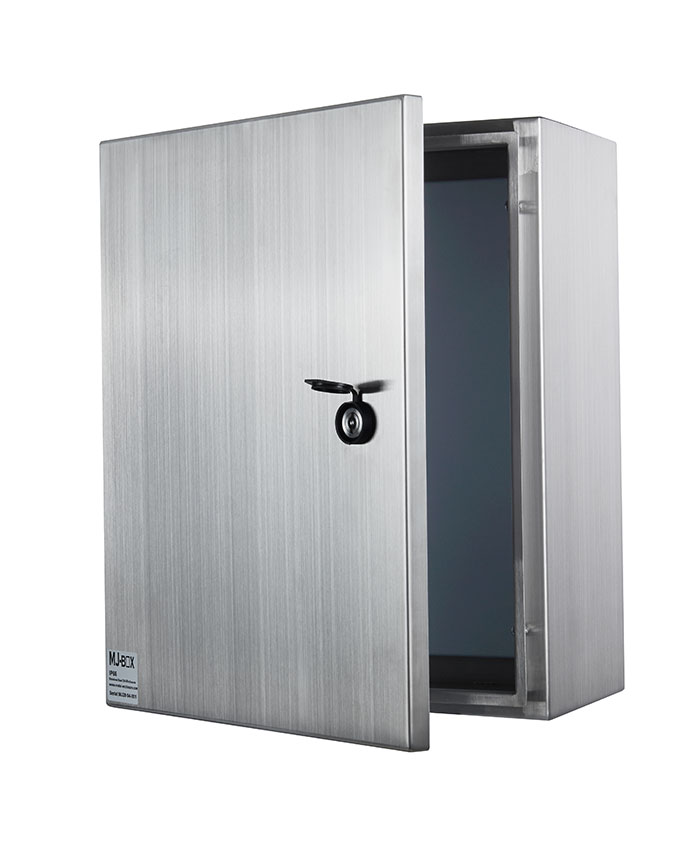
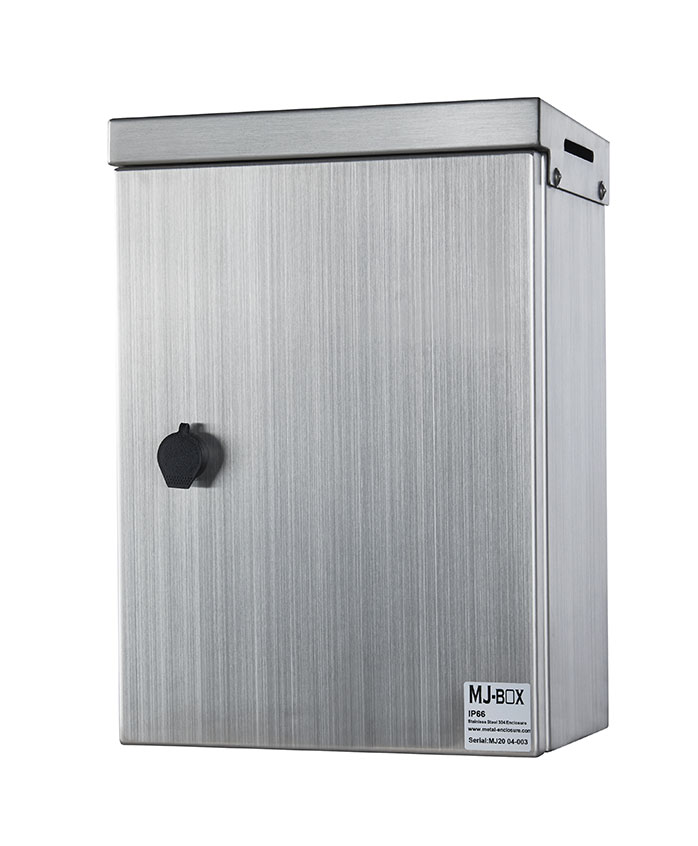
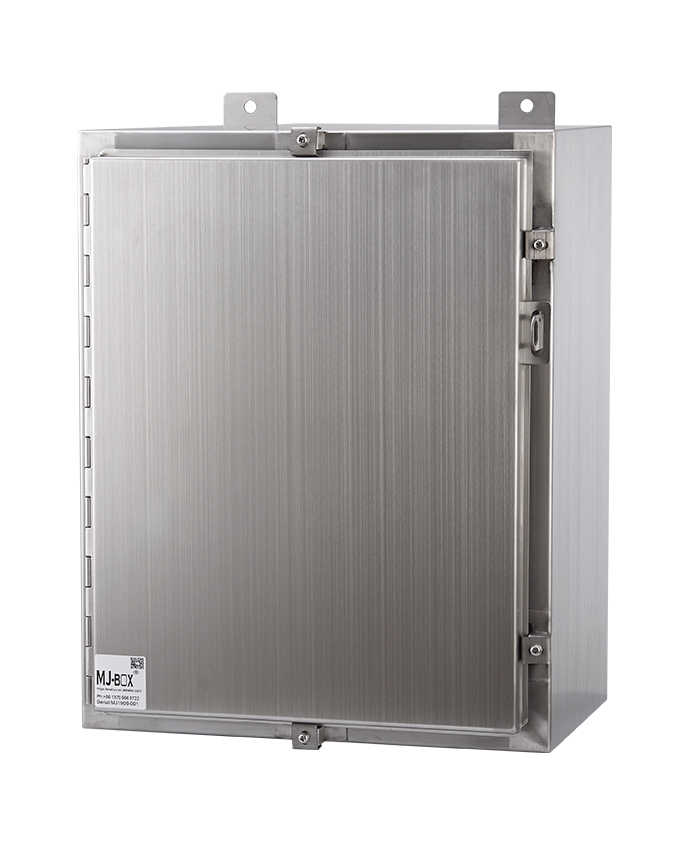
MJ-BOX offers a variety of wall-mounted enclosures in different sizes and materials. These enclosure are used of quality materials such as stainless steelcold rolled steel and Aluminum.They cover a wide range of applications. All of our enclosures are CE certified and IP66 rated.They are suitable for applications that require protection from dust, moisture and corrosion.
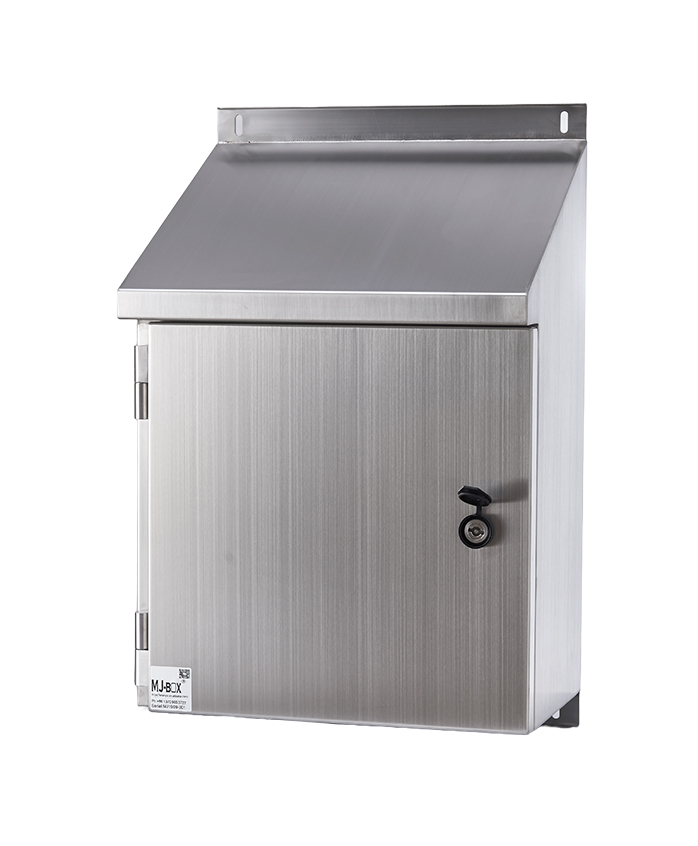
Explore the limits of durability and functionality with the MJ-BOX's double-sloped roof shell. The innovative removable 15° pitched roof reducing internal temperature by 20% in direct sunlight.ensures superior drainage and maintenance, preventing water accumulation and extending life.
The combination of 30° inclined roof design and IP66 can better resist heavy rain and dust in the air. It is very suitable for food processing plants, construction sites, etc. to fight against airborne particles.
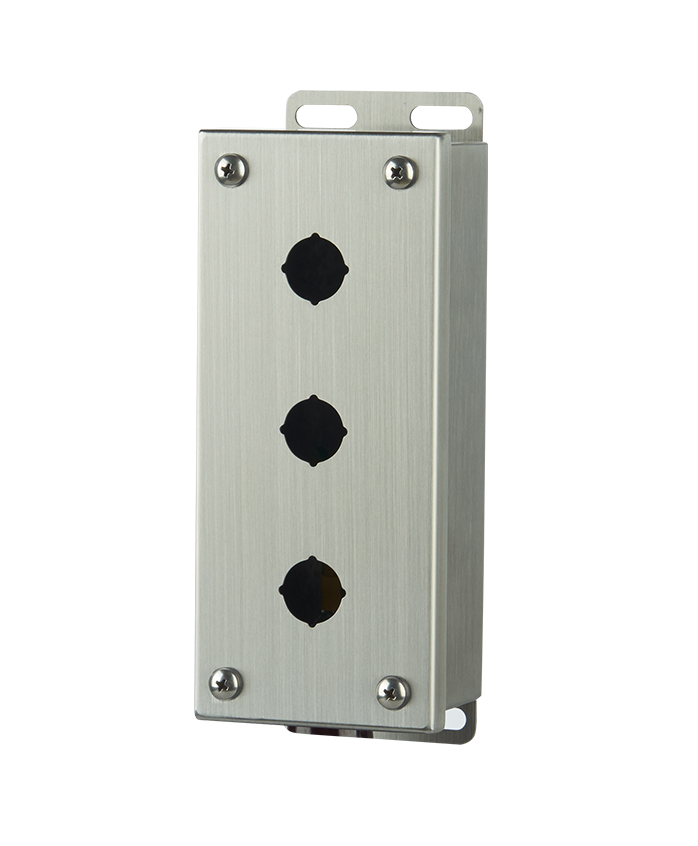
Heavy-duty stations with illuminated buttons and emergency stops. Modular design allows custom labeling and layout adjustments for CNC machines, conveyor systems, and production lines.
This explosion proof enclosure provides strong physical protection against impact and environmental hazards through reinforced welds and interlocking door mechanisms. It is ideal for protecting electrical components in volatile workshops or high traffic industrial areas.
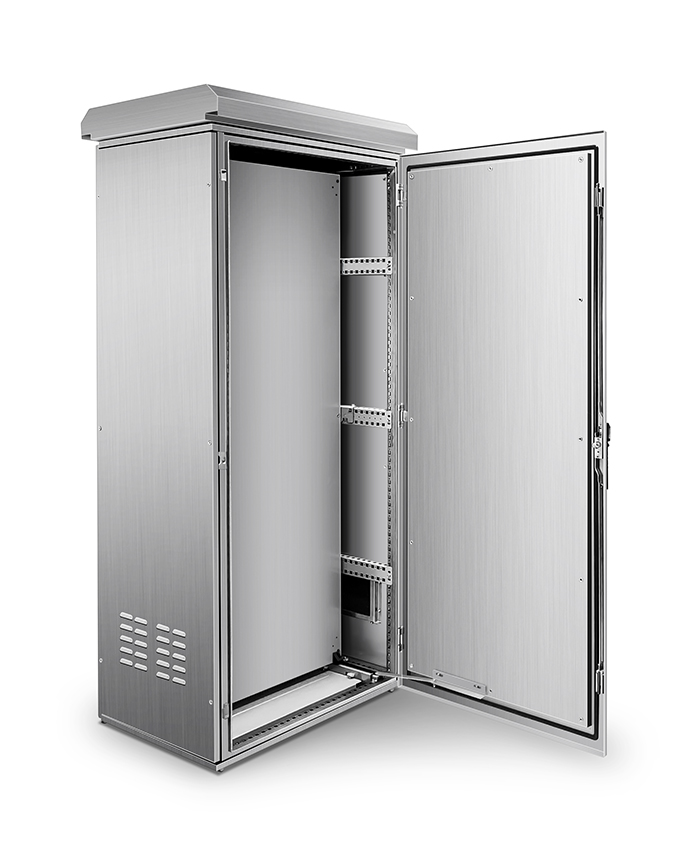
Engineered for heavy-duty protection of large-scale electronics, our enclosures combine multi-material construction (steel/aluminum/composite) with adaptable mounting systems. Thrive indoors or outdoors in harsh settings—from automated warehouses to chemical plants—featuring corrosion-resistant finishes, tool-less panel access, and modular interiors for complex configurations.
Electric Meter Box Outside Bedroom: Safety, Compliance and Best-Practice Placement Guide
12.10. 2025 | News, Electrical Box
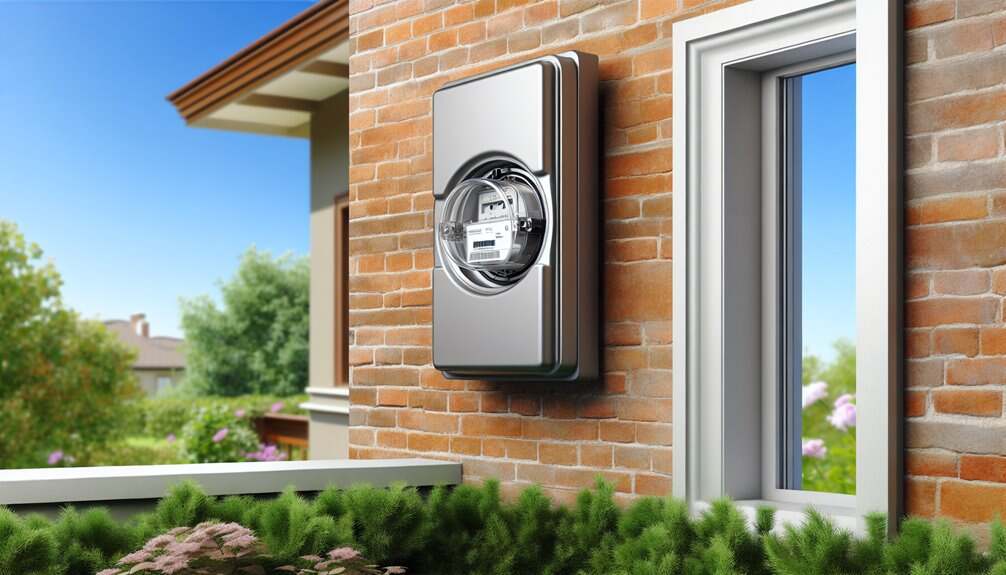
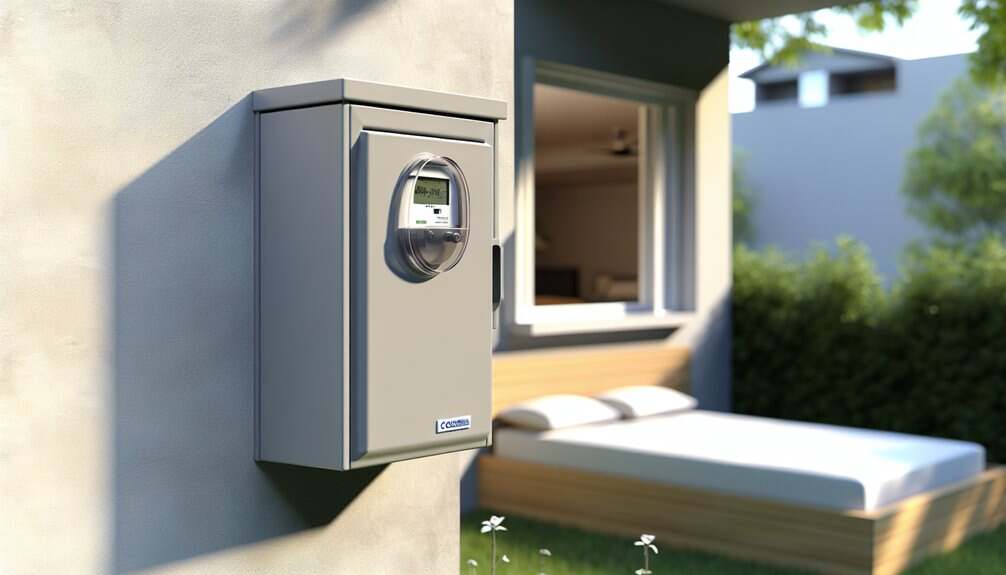
Electric meter box outside bedroom installations raise important safety, comfort, and compliance considerations that must be evaluated during project planning. Placement near a sleeping area requires careful attention to utility regulations, clearance rules, noise control, and electrical safety. Understanding how location affects access, maintenance, and occupant comfort is key to making an informed decision. With proper guidelines — and the right enclosure solutions from MJBOX — designers and installers can ensure a safe, compliant, and long-lasting setup.
Key Takeaways
Ensure meter box placement follows height and clearance requirements, typically 3-6 feet, to comply with safety and accessibility standards.
Maintain a three-foot distance from windows, doors, and gas meters for safety and unobstructed access.
Use weatherproof, noise-dampened enclosures with appropriate IP and NEMA ratings to protect against environmental and impact risks.
Position meter boxes on separate walls, pedestals, or poles to ensure clear maintenance access and minimize disturbances.
Conduct regular inspections and assessments to ensure ongoing compliance with safety and regulatory guidelines.
Why Meter Box Placement Matters — Beyond Just “Outside the House”
Why Meter Box Placement Matters Beyond Just “Outside the House”
Meter box placement is a critical consideration in guaranteeing efficient power delivery and maintaining safety standards. Proper adherence to meter box placement guidelines guarantees compliance and maximizes usability while minimizing risks. Accurate enclosure selection using IP ratings helps ensure protection against dust and moisture ingress, enhancing equipment reliability and longevity. Selecting the correct rating, such as IP65 vs IP66, helps match protection to real-world dust and water exposure to avoid failures or unnecessary cost.
When positioned adjacent to living spaces, the meter box can pose potential issues such as safety concerns, noise, electromagnetic fields (EMF), and compromised privacy. Additionally, accessibility for maintenance is paramount, requiring clear meter box clearance requirements to be met.
The mounting location greatly affects occupant comfort and compliance with safety standards. Proper placement mitigates these concerns and facilitates easy access for utility personnel.
Consequently, strategic positioning beyond merely placing it “outside the houseguarantees peak performance, safety, and convenience for both utility providers and occupants, requiring meticulous planning and execution. In addition, selecting enclosures with appropriate protection ratings like NEMA or IP, based on environmental conditions, helps ensure safety, reliability, and compliance.
Regulatory and Utility Guidelines for Meter Box Placement
Electric meter box placement is governed by a combination of regulatory and utility-specific guidelines that guarantee safety and accessibility.
These regulations specify precise height and clearance requirements, as well as minimum distances from windows, doors, and other potential hazards like gas installations.
Additionally, there are distinctions between utility-specific rules and broader code requirements, which must be carefully considered during installation.
Height & Clearance Requirements
The placement of electric meter boxes must adhere to specific height and clearance requirements dictated by regulatory and utility guidelines to guarantee safety and accessibility.
The utility meter box height typically ranges from 3 to 6 feet above ground for underground service connections, with a 4 to 6 feet range for overhead services. These specifications ascertain optimal meter box access clearance, facilitating maintenance and operation tasks.
Compliance necessitates adherence to working and maintenance clearance standards, which prescribe sufficient front, side, and headroom space. These clearance requirements are essential for confirming that the equipment remains accessible for utility personnel, minimizing potential safety hazards and operational disruptions.
Proper placement in line with these guidelines assures effective, safe, and efficient meter box management.
Required Minimum Distances from Windows, Doors, Gas or Other Equipment
Height and clearance requirements guarantee accessibility and safety; however, proximity to other structures and equipment must also be considered to avoid potential hazards. Selecting enclosures that meet recognized IP66/67 protection standards helps ensure reliability against dust and water ingress in outdoor installations. Effective sealing strategies, including proper gasket selection and installation, help maintain enclosure integrity by minimizing moisture ingress and dust intrusion over time.
Electrical meter safety standards dictate specific distances from windows, doors, and gas meters to guarantee ideal meter box near window safety. Typically, meter boxes should be positioned at least three feet from windows and doors to prevent interference and guarantee unobstructed access.
Additionally, a minimum separation distance of three feet from natural gas meters is advised to mitigate risks associated with gas leaks or ignition.
It is vital for property owners to consult with local utility providers or the Authority Having Jurisdiction (AHJ) since recommendations and requirements can vary considerably by jurisdiction.
Compliance with these guidelines guarantees both safety and regulatory adherence. For installations in hazardous locations, aligning meter placement with ingress protection ratings and applicable certification standards (e.g., ATEX or IECEx) helps ensure environmental sealing and ignition risk mitigation.
Utility-Specific Rules vs Code Requirements
Several key distinctions exist between general electrical codes, such as the National Electrical Code (NEC) or the International Electrotechnical Commission (IEC) standards, and utility-specific requirements for meter box placement.
While NEC and IEC provide broad safety and functionality guidelines for residential meter box installation, utility-specific rules are tailored to local conditions and operational needs.
Utility companies often impose additional criteria, reflecting their infrastructure and service policies. These rules can supersede general code requirements, granting utility companies the final say in meter box placement.
Consequently, homeowners and contractors must verify installation specifics with the relevant service provider. This guarantees compliance with both regulatory standards and utility mandates, mitigating potential conflicts and facilitating the seamless integration of services.
Risks and Concerns When a Meter Box is Installed Outside / Behind a Bedroom Wall
When an electric meter box is installed outside or behind a bedroom wall, several technical concerns arise, including noise and vibration transmission, as well as potential thermal effects on the interior space. In these scenarios, choosing enclosures that comply with NEMA ratings helps ensure the installation can withstand moisture, dust, and weather exposure. Selecting materials like stainless steel, aluminum, or FRP based on the site’s conditions can improve longevity and reduce maintenance by enhancing corrosion resistance and thermal performance.
Access for maintenance and emergencies may be compromised, raising questions about safety protocols and rapid response capabilities.
Moreover, environmental exposure factors such as moisture and weather can affect the meter's performance, while electromagnetic field (EMF) concerns and grounding issues necessitate a thorough evaluation of electrical safety standards.
Additionally, consider corrosion risks from moisture and pollutants, where implementing protective coatings and robust sealing helps maintain enclosure integrity and reliability.
Noise, Vibration, and Thermal Concerns
Installing an electric meter box outside or directly behind a bedroom wall presents several technical concerns related to noise, vibration, and thermal management.
Noise and vibrations originating from the meter or service taps can contribute to disturbances within the bedroom environment. Implementing effective meter box noise insulation is vital in minimizing these disturbances, ensuring a tranquil atmosphere is maintained. Incorporating thermostatically controlled systems can help maintain stable internal temperatures while reducing unnecessary fan operation and associated noise. Selecting enclosures with appropriate NEMA/IP ratings ensures environmental sealing that helps limit noise pathways and protects components in high-temperature conditions.
Additionally, a poorly ventilated enclosure can exacerbate heat dissipation/ventilation issues, potentially leading to overheating. This not only affects the longevity of the meter but also poses a risk of thermal discomfort or damage to adjacent living spaces. Incorporating passive cooling strategies—such as natural convection pathways and high-conductivity materials—can enhance heat dissipation without adding noise.
As a result, it is essential to incorporate adequate ventilation designs and materials that facilitate efficient heat dissipation while concurrently addressing noise and vibration concerns for the best placement of the meter box.
Access for Maintenance, Safety, and Emergencies
Access for Maintenance, Safety, and Emergencies (Risks and Concerns When a Meter Box is Installed Outside / Behind a Bedroom Wall)
Effective access for maintenance, safety, and emergencies is critical when placing an electric meter box outside or behind a bedroom wall. Proper housing electrical meter placement guarantees utility-access, meter-reading, and service reconnection can be executed efficiently without disturbing occupants. To further reduce hazards, ensure nearby junctions are correctly sized using NEC fill guidance to prevent overheating and maintain code compliance. For added reliability, verify the enclosure’s ingress protection rating and material suitability to withstand local weather and prevent corrosion over time.
Guaranteeing meter box servicing access requires careful planning of working clearance and egress paths. Maintaining these clearances allows service personnel to conduct necessary operations swiftly and safely, minimizing disruptions.
A superior design takes into account the need for unobstructed access, aligning with regulatory standards to facilitate emergency interventions or routine checks. By integrating these considerations, homeowners can guarantee that their installations meet both safety and operational requirements, providing a controlled, compliant environment conducive to effective meter servicing operations. In addition, plan periodic inspections of seals and gaskets to maintain enclosure integrity and preserve required NEMA/IP ratings.
Moisture, Weather, and Environmental Exposure
Exposure to moisture, weather conditions, and environmental factors poses significant risks when an electric meter box is installed outside or behind a bedroom wall. The vulnerability to rain, humidity, and temperature fluctuations can compromise the integrity of both the meter and adjacent living spaces. Selecting materials that align with NEMA and IP standards helps ensure the enclosure maintains durability, thermal management, and resistance to corrosion in harsh environments. In coastal areas with salt spray and high humidity, choosing enclosures meeting NEMA 4X and high IP ratings helps mitigate accelerated corrosion and moisture ingress.
To mitigate these risks, employing a weatherproof meter box enclosure is essential. Such enclosures should be IP rated, ensuring they meet specified standards for protection against water and dust ingress. An IP rated meter enclosure safeguards the electrical components from potential damage and maintains operational efficiency.
Moreover, selecting an appropriate NEMA rating can provide additional assurance by addressing specific environmental challenges. Proper installation and maintenance of these enclosures help prevent moisture intrusion and extend the lifespan of the meter. Additionally, incorporating ventilation strategies such as breather vents or desiccants can control internal humidity and reduce condensation-related risks.
EMF, Grounding, and Electrical Safety Considerations
In addition to environmental factors, electromagnetic fields (EMF) and electrical safety are critical considerations when placing an electric meter box outside or adjacent to a bedroom wall. Selecting enclosures with appropriate protection ratings aligned to the installation environment further supports safety and compliance when meter equipment is mounted on exterior walls.
While concerns about EMF exposure are frequently exaggerated, it is crucial to implement effective grounding, shielding, and insulation strategies. These measures are particularly important in scenarios involving multi-meter installations or high amperage, where the risk of EMF exposure and electrical faults increases. Incorporating enclosures with verified fire ratings helps limit heat transfer and potential fire spread, improving safety near occupied spaces.
Proper grounding guarantees electrical stability and minimizes potential hazards, while shielding and insulation reduce EMF penetration into living spaces.
Adhering to these practices not only enhances safety but also aligns with regulatory standards, providing a controlled environment that mitigates potential risks associated with proximity to electric meter boxes. For added resilience and compliance in residential settings, consider integrating visual indicators and remote monitoring to enable real-time status checks and proactive fault detection.
Best Practice Guidelines — When It’s Acceptable (and When It’s Not) to Place a Meter Box Outside a Bedroom
The placement of an electric meter box outside a bedroom is generally acceptable under conditions where access, safety regulations, and noise control are adequately addressed. For added safety and reliability, ensure the enclosure meets appropriate IP and IK ratings to protect against environmental and impact risks. Incorporating built-in protections such as Residual Current Devices and surge protective devices further enhances safety and compliance in residential installations.
However, certain scenarios, such as proximity to sleeping areas or potential interference with residential comfort, necessitate additional measures or alternative locations.
In instances where placement outside a bedroom is unavoidable, implementing noise insulation and ensuring compliance with electromagnetic field exposure guidelines are critical mitigation strategies.
Additionally, ensure alignment with recognized safety standards and material durability practices to maintain ongoing compliance and reduce risk in residential settings.
Suitable Scenarios
When determining the suitability of placing an electric meter box outside a bedroom, it is vital to adhere to specific best practice guidelines to guarantee safety and functionality. To reduce interference and improve reliability, segregate high and low voltage components within the enclosure and implement organized wiring pathways for effective internal layout.
The following conditions must be satisfied:
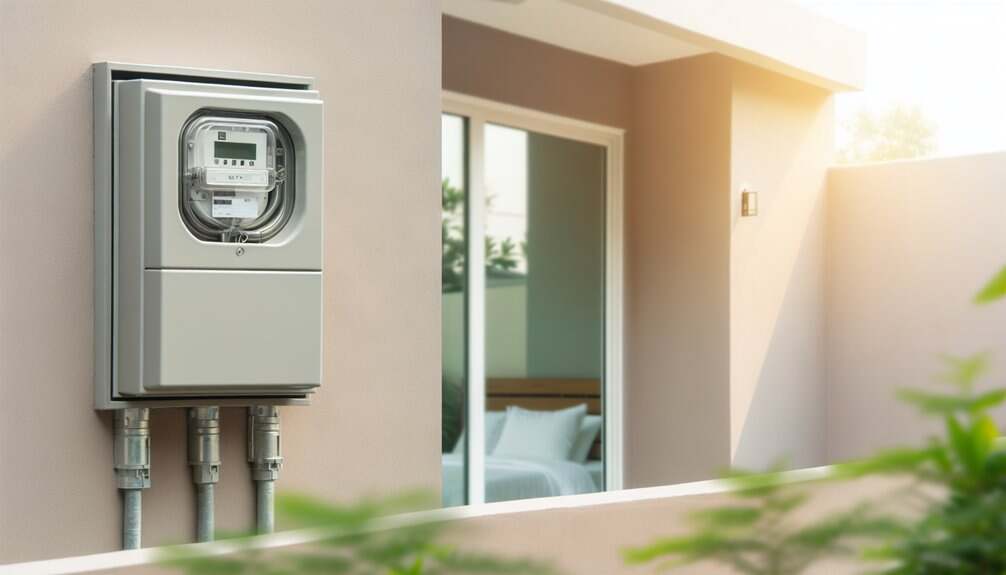
Meter socket location should be on an exterior wall adjacent to the bedroom, providing independent access that aligns with apartment meter box regulations.
The enclosure must be weatherproof and IP-rated, offering protection against environmental factors, and be vibration-resistant and well-sealed. In railway and other dynamic environments, adherence to NEMA Ratings and shock resistance standards further enhances enclosure reliability and safety.
Sufficient clearance and maintenance access are significant, ensuring the box is easily serviceable without intrusion into living spaces.
Maintain separation from windows and ventilation intakes to prevent any interference with air quality and comfort within the bedroom.
These guidelines promote ideal safety and regulatory compliance. Additionally, ensure the installation complies with NEC guidelines for enclosure sizing and placement to enhance safety and facilitate future maintenance.
Situations to Avoid or Require Extra Measures
While installing an electric meter box outside a bedroom can be acceptable under certain conditions, some scenarios require heightened caution or specialized solutions to ensure safety, compliance, and long-term reliability.
In multi-unit buildings, a meter mounted on a shared bedroom wall may introduce noise, vibration, or access challenges. Placement near bedroom windows or HVAC air intakes can violate utility or local installation rules and should be evaluated carefully before proceeding. Locations exposed to moisture, flooding, or harsh weather increase the risk of corrosion and electrical failure, making standard enclosures insufficient.
In these cases, additional protective measures may be necessary. A tamper-resistant enclosure helps prevent unauthorized access, while compliance with UL, CE, and relevant utility standards ensures safe operation. Selecting enclosures with verified IP ratings provides effective protection against dust and moisture ingress. In high-exposure environments, NEMA-rated, corrosion-resistant materials offer superior durability and safeguard the electrical system over time.
Situation
Recommended Action
Shared or sensitive interior walls
Evaluate noise, vibration, and access
Moisture or flood-prone areas
Use weatherproof, corrosion-resistant enclosures
Near windows or air intakes
Confirm utility and code compliance
Mitigation Measures (if placement is unavoidable)
While placing an electric meter box outside a bedroom may occasionally be unavoidable, implementing effective mitigation measures is vital to secure safety and compliance.
Custom meter box solutions can be optimized to minimize potential risks and disturbances. Key measures include:
Utilize heavy-duty, weatherproof, noise-dampened enclosures: These should incorporate rubber gaskets and sound insulation to reduce operational noise and enhance durability.
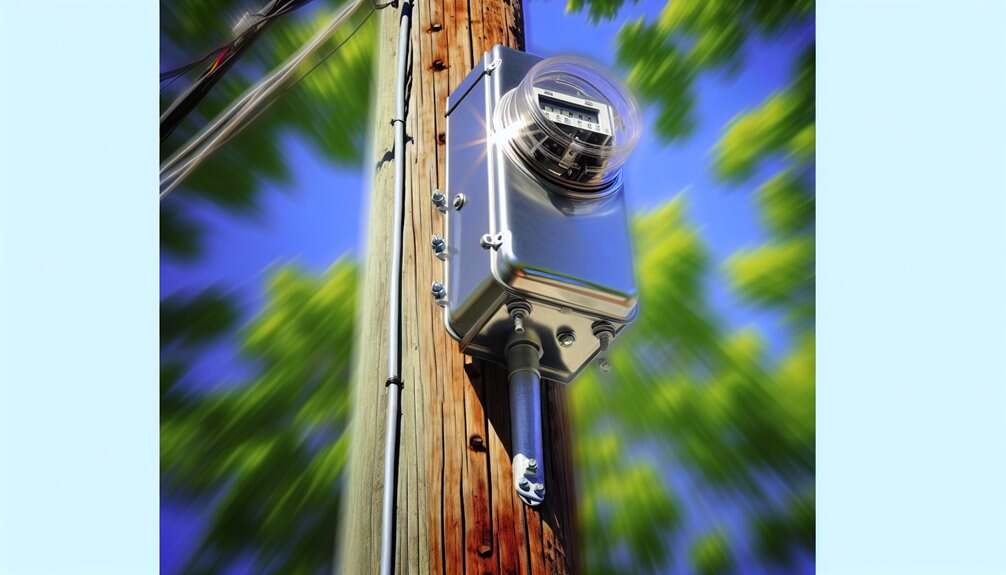
Install the electric meter box on a separate wall, pedestal, or pole: Positioning away from sleeping areas is important to minimize exposure to electromagnetic fields and noise.
Guarantee clear, unobstructed maintenance access: Proper sealing and ventilation are necessary to prevent moisture ingress and guarantee operational efficiency.
Regular inspections and maintenance: Routine checks guarantee ongoing compliance with safety standards and address any emerging issues promptly.
Additionally, consider selecting enclosures with appropriate IP and NEMA protection ratings to ensure durability and regulatory compliance in varied environmental conditions.
MJBOX Meter Box Solutions for Sensitive Installations
For projects where placement is particularly sensitive — such as apartments, hotels, residential complexes, and mixed-use developments — MJBOX provides engineered meter box solutions designed to meet high performance, safety, and compliance requirements.
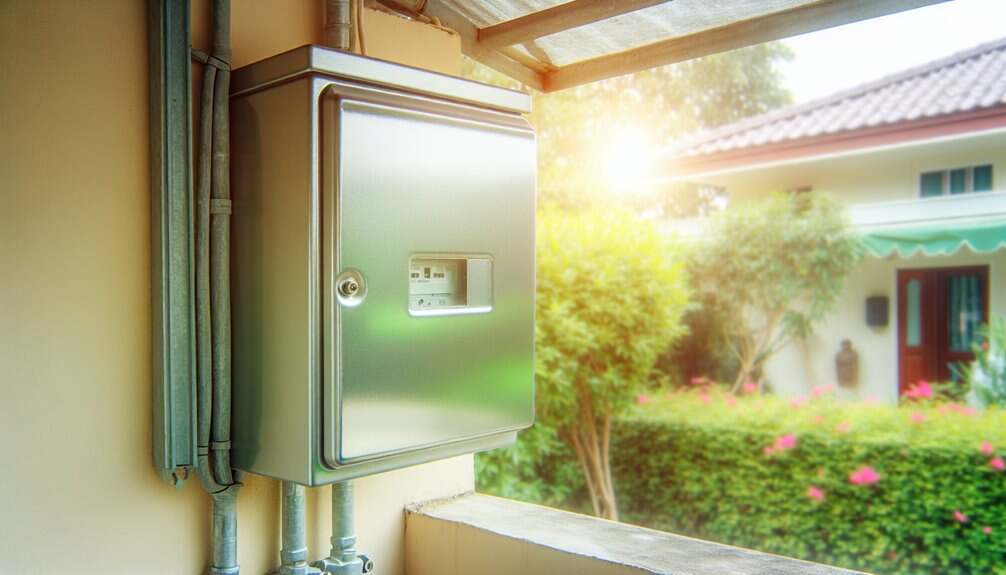
Our MJBOX outdoor meter box range includes customised enclosure dimensions and configurations, ensuring the correct working space for installation, servicing, and long-term operation. Each enclosure is built to maintain durability and stability under varied environmental conditions.
All enclosures are weatherproof, IP-rated, and tamper-resistant, protecting critical electrical components from moisture, impact, corrosion, and unauthorised access. Optional noise-dampening and thermal-insulation packages further enhance performance where occupant comfort or thermal management is a priority, such as installations near living spaces.
MJBOX also supports project teams with comprehensive compliance documentation, detailed technical drawings, and OEM integration options, enabling smooth coordination with electrical contractors, builders, and utility providers. This ensures the finished installation meets regulatory requirements while maintaining operational efficiency and safety.
Ready to specify a meter box for a sensitive environment? Contact MJBOX for customised enclosure solutions engineered for reliable, compliant performance.
Frequently Asked Questions
How Can I Soundproof a Bedroom Wall With a Meter Box?
Soundproofing the bedroom wall with a meter box involves installing acoustic panels, utilizing mass-loaded vinyl, and sealing gaps with acoustic caulk. An adage states, "An ounce of prevention is worth a pound of cure."
Are There Health Concerns With Electromagnetic Fields From Meter Boxes?
Electromagnetic fields (EMFs) from electric meter boxes are generally considered low and within international safety standards. Long-term health effects remain inconclusive, yet maintaining minimal exposure is recommended for those concerned. Adequate distance and shielding can mitigate EMF exposure.
What Materials Reduce Noise From an Outside Meter Box?
Dense materials such as mass-loaded vinyl, acoustic foam panels, and soundproofing barriers effectively reduce noise from an outside meter box. These materials absorb sound waves, minimizing transmission and providing enhanced acoustic insulation for improved noise control.
How Do I Dispute a Meter Box Placement With My Utility Company?
To dispute a meter box placement, the individual should gather evidence of compliance issues, document communication with the utility company, and formally submit a written complaint outlining concerns, referencing regulatory standards, and requesting an assessment or relocation.
Can Landscaping Help Mask the Appearance of an Outdoor Meter Box?
Yes, strategic landscaping can conceal an outdoor meter box effectively. Selecting tall shrubs or trellised plants guarantees visual coverage while maintaining accessibility for utility technicians. Proper planning prevents encroachment on necessary clearance and adheres to regulations.
Conclusion
In evaluating the placement of electric meter boxes outside bedrooms, one must carefully balance safety, compliance, and practicality. Are potential noise disturbances and EMF exposure adequately minimized? By adhering to regulatory guidelines and employing weatherproof, compliant enclosures, homeowners can guarantee both utility access and a safe living environment. Regular inspections further safeguard against unforeseen risks. Ultimately, strategic placement decisions maintain harmony between functionality and comfort, underscoring the importance of thoughtful, informed installation choices.
We are deeply committed to excellence in everything we do, ensuring meticulous control over our products to deliver unparalleled quality and outstanding service to our customers.










 Chinese