In the power supply industry, distribution boxes are essential for reliable power distribution, circuit protection, and voltage conversion.
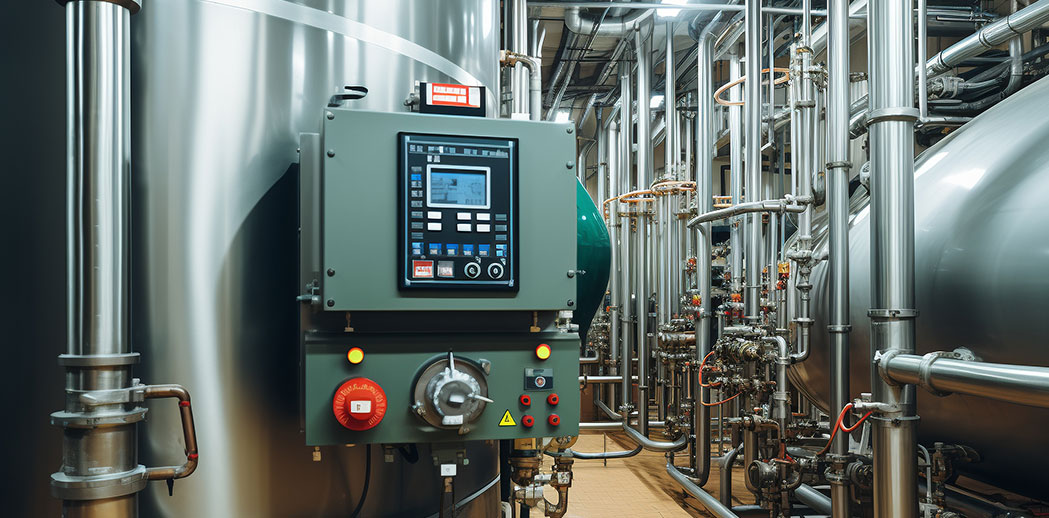
Equipment Solutions
For customers of mechanical equipment, our product series mainly include PLC control cabinets and HMI housings
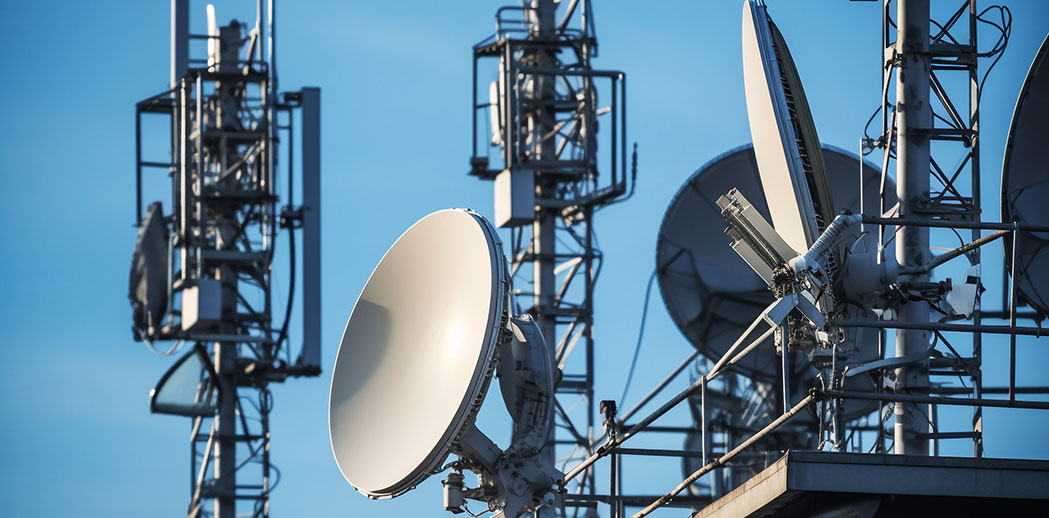
Communication Solutions
For customers of mechanical equipment, our product series mainly include PLC control cabinets and HMI housings
Security Solutions
In the field of security monitoring, we will comprehensively consider key factors such as the power requirements, power supply type, and power supply method of the monitoring equipment when designing the electrical box.
Solar Energy Solutions
In the field of security monitoring, we will comprehensively consider key factors such as the power requirements, power supply type, and power supply method of the monitoring equipment when designing the electrical box.
Oil & Gas Solutions
In the field of security monitoring, we will comprehensively consider key factors such as the power requirements, power supply type, and power supply method of the monitoring equipment when designing the electrical box.
Rail Solutions
Our engineering team has extensive experience in rail transit projects across China, providing custom solutions like cabinets.
Construction Solutions
Whether it is a high-rise building, commercial complex or industrial facility, our professional team will deeply analyze the characteristics of each project, including power load
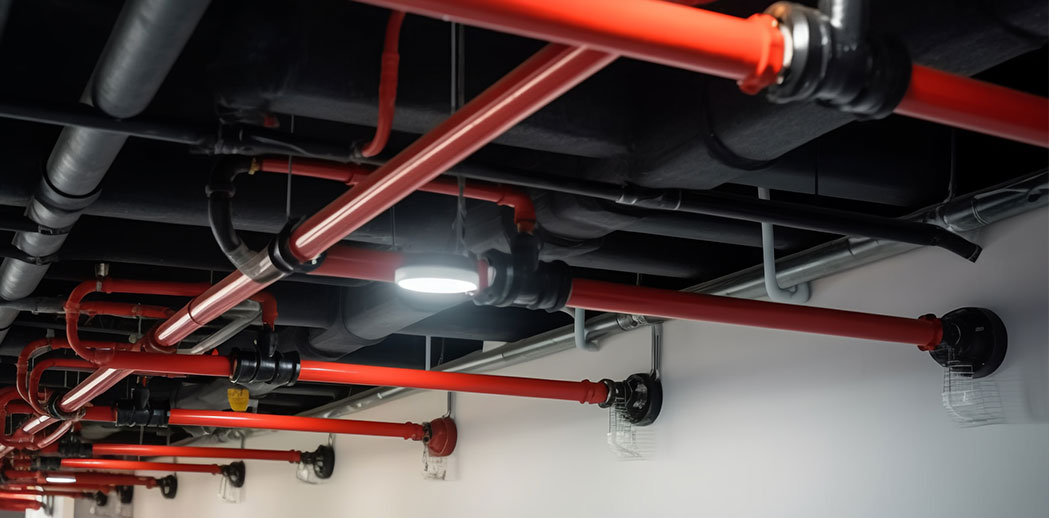
Fire Safety Solutions
Customized fire hydrants, built to your exact needs. We combine top-quality materials and strict adherence to GB50974-2014 standards to deliver hydrants that ensure safety, durability, and compliance.
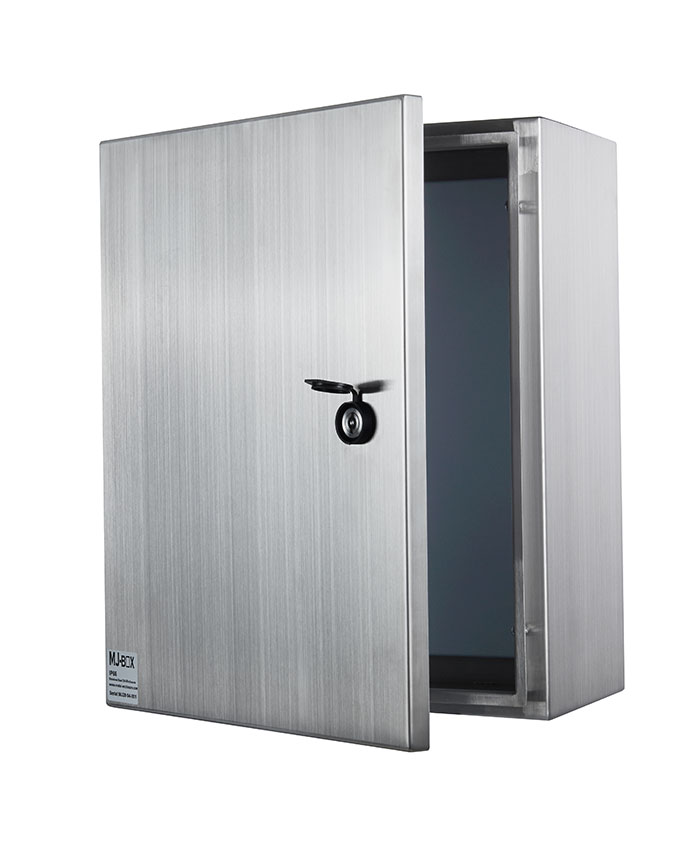
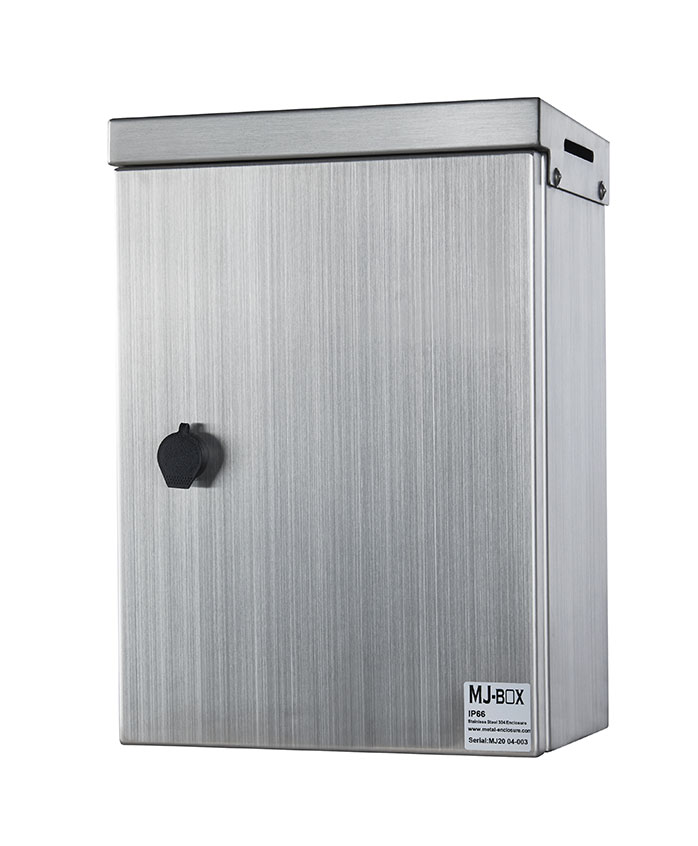
MJ-BOX offers a variety of wall-mounted enclosures in different sizes and materials. These enclosure are used of quality materials such as stainless steelcold rolled steel and Aluminum.They cover a wide range of applications. All of our enclosures are CE certified and IP66 rated.They are suitable for applications that require protection from dust, moisture and corrosion.
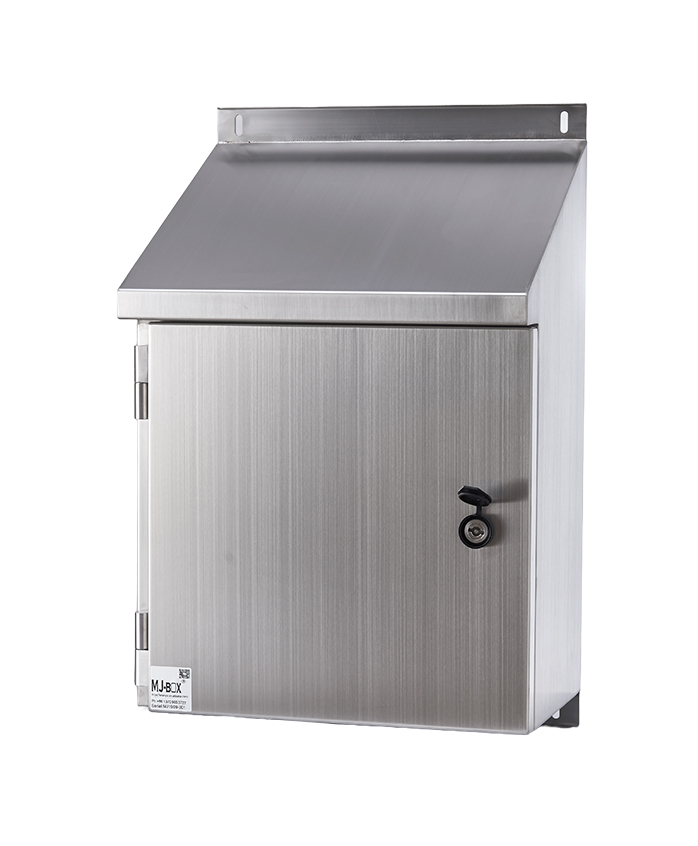
Explore the limits of durability and functionality with the MJ-BOX's double-sloped roof shell. The innovative removable 15° pitched roof reducing internal temperature by 20% in direct sunlight.ensures superior drainage and maintenance, preventing water accumulation and extending life.
The combination of 30° inclined roof design and IP66 can better resist heavy rain and dust in the air. It is very suitable for food processing plants, construction sites, etc. to fight against airborne particles.
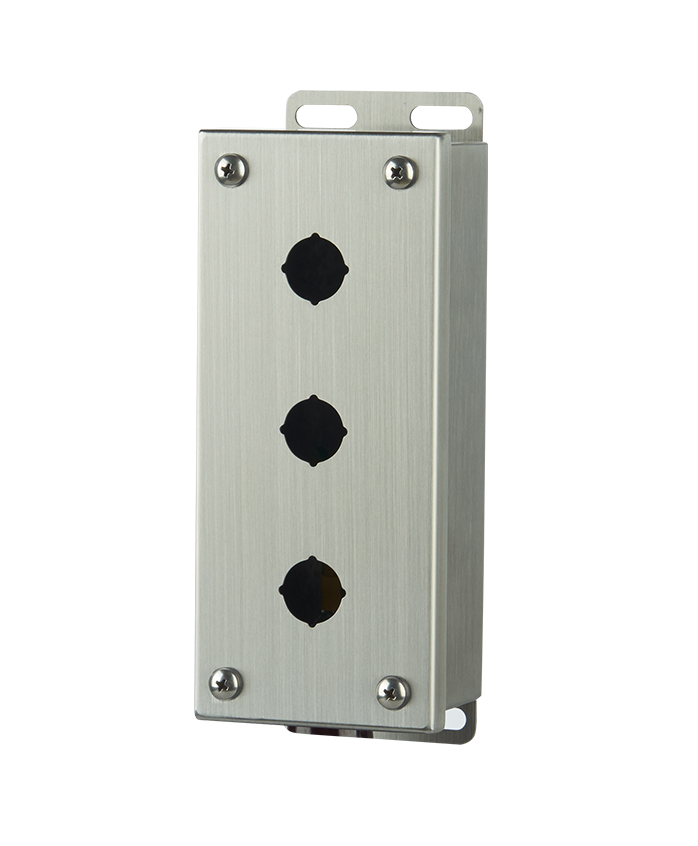
Heavy-duty stations with illuminated buttons and emergency stops. Modular design allows custom labeling and layout adjustments for CNC machines, conveyor systems, and production lines.
This explosion proof enclosure provides strong physical protection against impact and environmental hazards through reinforced welds and interlocking door mechanisms. It is ideal for protecting electrical components in volatile workshops or high traffic industrial areas.
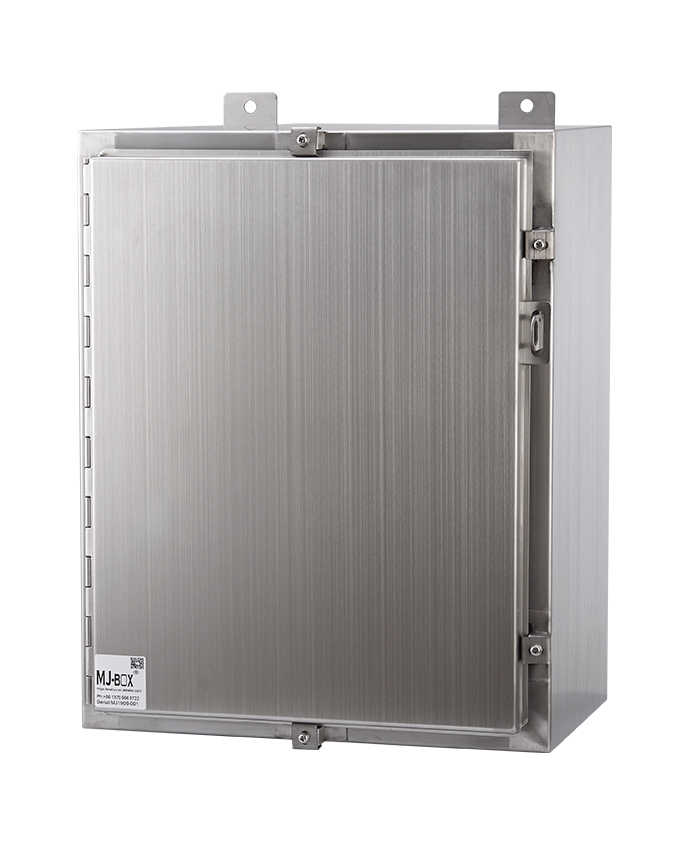
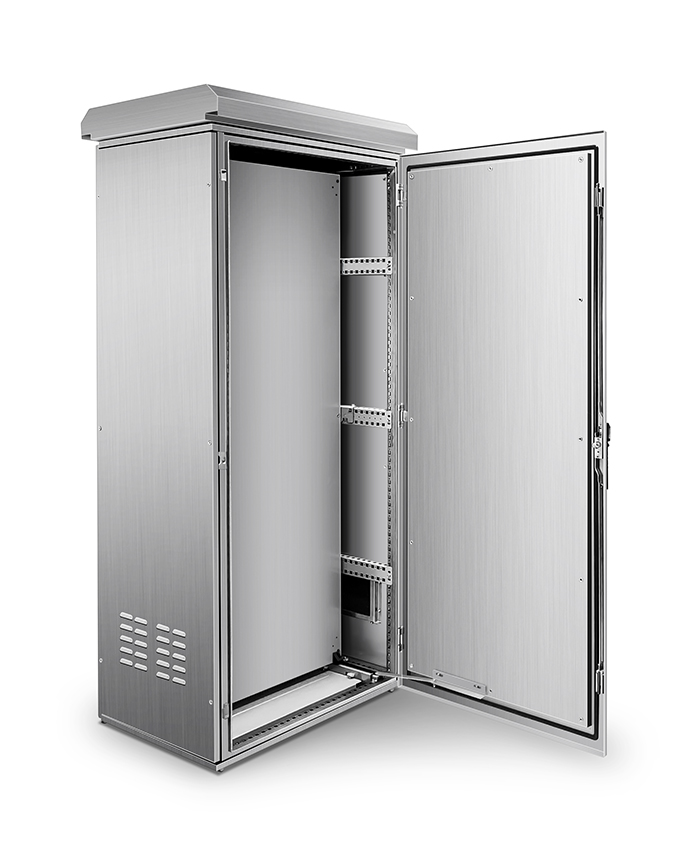
Engineered for heavy-duty protection of large-scale electronics, our enclosures combine multi-material construction (steel/aluminum/composite) with adaptable mounting systems. Thrive indoors or outdoors in harsh settings—from automated warehouses to chemical plants—featuring corrosion-resistant finishes, tool-less panel access, and modular interiors for complex configurations.
Electrical Meter Box Cost: Complete Price Breakdown
11.12. 2025 | Electrical Box, News
Electrical Meter Box Cost depends on multiple technical and project-specific factors, including service amperage, materials, and installation conditions. An electrical meter box houses the utility meter, service disconnects, and conductors in a code-compliant, weatherproof enclosure that forms the critical interface between the utility supply and the building’s electrical system.
Typical residential installations or replacements range from $600 – $2,000 (most between $1,000 – $1,400), with 200A-rated and outdoor-weatherproof units positioned at the higher end. Costs vary based on amp rating, construction materials, socket type, overhead vs. underground service, labour complexity, and permit or inspection requirements.
For industrial or custom enclosures, prices can rise significantly — from $5,000 up to $12,000+, depending on specification and site conditions. Professional installation ensures NEC compliance, proper grounding and bonding, and successful inspection approval. Later sections detail how component selection, configuration, and lifecycle design all influence total electrical meter box cost.
Key Takeaways
Typical residential replacement costs $600-$2,000, with most homeowners paying $1,000-$1,400 depending on amperage and site conditions.
200A and outdoor/weatherproof meter boxes cost more; industrial or custom enclosures range from $2,500 to $10,000+ and $5,000-$12,000+ respectively.
Major cost drivers: amp rating, materials, meter socket type, overhead vs. underground service, and local code/utility requirements.
Labor, permits, and inspections are significant; professional installs include load calculations, grounding/bonding verification, and scheduling inspections.
Higher-grade enclosures (e.g., IP66 stainless) raise upfront cost but reduce failures, service calls, and total lifecycle cost.
What Is an Electrical Meter Box and Why Cost Vary
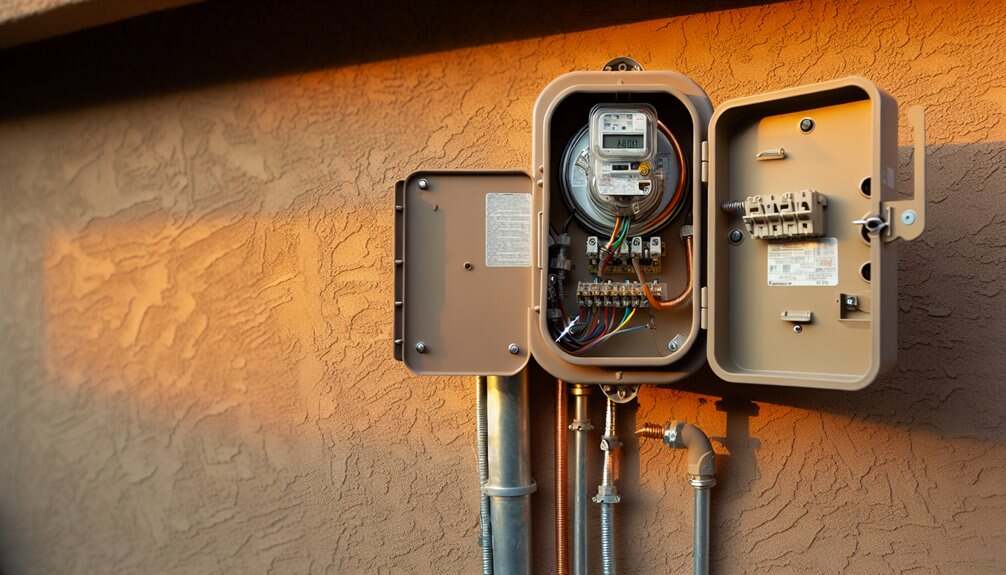
An electrical meter box is a protective enclosure that houses the utility meter, service disconnects, and conductors at the service entrance. It provides a secure, weatherproof, and code-compliant interface between the utility network and a building’s electrical system.
The primary purpose of a meter box is to shield live components, maintain working clearances, and ensure grounding, bonding, and service-rating compliance in accordance with NEC or IEC standards.
The cost of an electrical meter box varies because specifications differ by project and region. Key cost factors include:
Amperage rating (100 A – 400 A +): higher ratings require larger enclosures and heavier conductors.
Material type: standard NEMA 3R steel, galvanised sheet metal, or corrosion-resistant composite constructions.
Meter socket type: ring, ringless, or lever-bypass mechanisms approved by local utilities.
Configuration and compliance: single-phase vs three-phase layouts, load-break capacity, and utility-approved designs.
Local code updates: regional grounding and bonding requirements that affect design or component selection.
Installation conditions also influence the cost to install an electrical meter box — such as overhead vs underground service, conduit routing, fault-current rating, and grounding-electrode upgrades. Replacement cost can rise when service panels are coordinated, service masts require repair, or permit and inspection scopes expand.
Average Cost to Replace or Install an Electrical Meter Box
Average costs vary by scope: standard residential replacements typically fall within a defined range that includes a code-compliant meter socket, weatherproof enclosure, grounding upgrades, permits, and utility coordination.
Industrial or custom NEMA-rated enclosures, larger service amperages, and utility-required components materially increase pricing due to heavier duty equipment and more complex installation.
A comparison by application—residential, light commercial, and industrial—should account for service size, fault current ratings, environmental ratings, and AHJ/utility specifications to guarantee safety and compliance.
Typical Cost Range for Standard Installations
For standard residential installations, the typical cost to replace or install an electrical meter box ranges from $600 to $2,000, with most projects falling near $1,000 to $1,400.
Pricing reflects equipment rating, enclosure type, utility coordination, and code-driven upgrades (grounding, bonding, working clearances).
The outdoor electrical meter box cost is often higher due to NEMA-rated enclosures, weatherproof fittings, and service riser hardware.
Homeowners should compare meter box installation cost quotes that specify permit fees, utility disconnect/reconnect, and inspection scheduling.
A 200 amp meter box cost typically lands toward the upper tier because of larger conductors, heavier-duty sockets, and increased labor.
Specify amperage (100A vs 200A) and utility-approved socket model.
Verify weather rating, sealing, and tamper requirements for outdoor installs.
Industrial and Custom Enclosures
Industrial and custom electrical meter enclosures command higher budgets, typically ranging from $2,500 – $10,000 +, depending on the service size (400 A – 800 A +), enclosure construction (NEMA 3R / 4X / 12, stainless steel, or fiberglass), and integrated metering assemblies.
These enclosures often include advanced features such as current-transformer (CT) compartments, test switches, bypass mechanisms, and revenue-grade metering systems.
Procurement decisions in industrial applications are driven by UL listing, NEC and utility compliance, short-circuit rating, and corrosion resistance. For demanding or corrosive sites, an IP66 electrical enclosure or NEMA 4X stainless-steel build provides superior protection against ingress, chemical exposure, and environmental degradation. In marine or coastal environments, marine-grade enclosures are essential for maintaining electrical integrity and long-term performance under salt-spray and humidity conditions.
Typical Cost Impacts by Scope
Scope Element
Typical Cost Range (USD)
Industrial electrical meter box (400 A – 800 A, with CT cabinet)
Lead times for industrial or custom meter boxes typically range from 4 – 10 weeks, depending on configuration, certification requirements, and utility coordination. Comprehensive shop drawings, utility approvals, and arc-flash labeling are standard deliverables before production release. When specifying industrial units, include lockout/tagout compatibility, lifting provisions, and mounting clearances to ensure safe operation and maintenance access.
Comparison by Application
Beyond bespoke industrial builds, costs vary widely by application, service size, and code requirements, so a residential swap, a light-commercial upgrade, and a utility-grade installation land in different price bands.
Residential work typically shows the lowest cost to replace electrical meter box, assuming standard service amperage, clear working space, and utility coordination.
Light-commercial projects add load calculations, higher SCCR equipment, and more robust enclosures; the weatherproof meter box price and conduit upgrades drive totals.
Utility-grade installations demand utility-approved gear, metering transformers, sealing, and lockable hardware; stainless steel meter box cost rises with corrosion resistance and tamper ratings.
Verify utility specifications and approved manufacturer lists.
Match enclosure NEMA rating to exposure and site.
Proper heat dissipation is essential in ensuring that electrical enclosures maintain their optimal performance levels, as excessive heat can lead to equipment failure.
Plan outage windows and inspections.
Include grounding, bonding, and fault-current compliance.
Key Factors That Affect Electrical Meter Box Cost
Meter box pricing is driven by material and build quality, the specified amp rating and power capacity, and the required IP rating for outdoor weatherproofing.
Total cost also reflects installation complexity and labour charges, especially when service upgrades, grounding/bonding, or meter relocation are necessary.
Permits, code compliance, and inspection fees further impact budget, ensuring the installation meets utility requirements and local electrical codes for safety.
Material and Build Quality
Materials and build quality drive both upfront price and lifecycle cost of an electrical meter box, with code compliance and safety dictating minimum specifications. Buyers compare the durability of an electrical distribution enclosure by substrate and finish: galvanized steel, aluminum, and fiberglass-reinforced polyester dominate. An outdoor meter cabinet benefits from NEMA 3R/4X or IP-rated gasketing, UV-stable coatings, and corrosion-resistant fasteners. Precision-formed electrical meter box parts—hinges, latches, hasps, and knockouts—must support tamper resistance and secure bonding. Seams, welds, and drip edges control moisture ingress and extend service life. Transparent documentation (UL/CSA listings) verifies conformity. Proper material selection enhances the overall reliability and performance of electrical devices. Specify enclosure material, thickness, and coating system. Require NEMA/IP ingress ratings appropriate to exposure. Verify third-party listings and grounding/bonding paths. Inspect hardware quality and replaceable components.
Amp Rating and Power Capacity
Sizing the ampacity of a meter enclosure—typically 100A, 150A, 200A, 320A (Class 320), or 400A—directly drives cost due to heavier bus bars, larger conductors/lugs, increased fault-duty ratings, and enclosure dimensional changes. Higher amp ratings also demand utility-approved sockets, ringless/ring-type configurations, and verified short-circuit ratings per NEC 110.9 and utility service standards. As load calculations rise, so do meter base dimensions and mounting hardware requirements, impacting labor and material totals. An electrical meter boxprice guide will show steep price steps at 200A and Class 320, with 400A requiring CT cabinets or specialized sockets. To control spend, spec only the required service size, confirm utility acceptance, and compare listings from a meter box supplier. Seek an affordable electrical meter box without compromising listing, labeling, or clearances. It's also important to understand NEMA ratings to ensure the chosen meter box provides adequate protection against environmental factors like moisture and dust, which can affect the longevity and performance of the enclosure.
IP Rating and Weatherproofing
Beyond ampacity and utility acceptance, enclosure ingress protection directly influences meter box cost, especially for outdoor installations. Higher IP ratings (e.g., IP65–IP67) add gasketing, sealed hinges, and corrosion-resistant finishes, raising price but reducing moisture ingress and dust contamination. Compliance with IEC/EN 60529 and alignment with NEMA 3R/4X equivalents guarantees predictable performance and longer service intervals. For coastal, washdown, or flood-prone sites, weatherproofing upgrades can offset future mjbox meter box failures, lowering lifetime meter box repair cost and meter box cover replacement cost. IP ratings are critical for ensuring equipment durability and operational reliability in sectors such as food processing, outdoor lighting, and PLC panels. Specify IP rating based on exposure: sun, driving rain, wind-blown dust, or salt spray. Prefer UV-stable, impact-rated covers; verify gasket compression and fastener torque specs. Evaluate drain/vent options to manage condensation without compromising IP. Select verified materials: powder-coated steel, UV-stabilized poly, or 316 stainless.
Installation and Labour Charges
Labour drives a significant share of total meter box cost because installation must meet utility service rules and electrical codes. Charges scale with service size (single- vs three-phase), box location (surface vs flush-mount), conductor routing distance, and site conditions (masonry, trenching, or panel relocation).
Electricians price time for de-energizing, lockout/tagout, mounting, bonding, line/load terminations, torque to manufacturer specs, labeling, and commissioning tests.
Complexities that increase hours include meter-main combinations, overhead-to-underground conversions, upsizing service conductors, and coordination with utility cutovers. Regional rates and crew composition (licensed electrician plus apprentice) also affect totals.
Customers seeking control can reduce variability by providing clear access, verifying wall substrates, pre-clearing conduit paths, and confirming service amperage. Accurate scope definition minimizes change orders and callbacks.
Permits, Compliance, and Inspection Fees
Although often overlooked in early budgeting, permits, compliance documentation, and inspections add predictable, location-specific costs to an electrical meter box project. Jurisdictions typically require an electrical permit, utility coordination, and one or more inspections before energization. Fees vary by municipality, service amperage, scope (new service vs. upgrade), and whether trenching or panel relocation triggers additional reviews (zoning, historic, or fire).
Passing inspections confirms adherence to NEC/CEC requirements, grounding/bonding integrity, conductor sizing, working clearances, and labeling. Budgeting for re-inspection fees mitigates schedule risk if deficiencies are noted. Document retention and utility cutover scheduling further influence timelines and labor staging.
Verify permit classes, valuation methods, and fixed vs. tiered fee schedules.
Confirm utility service rules, meter socket specifications, and seal requirements.
Plan for rough, service, and final inspections; include re-inspection contingencies.
Align load calculations, one-line diagrams, and site plans for first-pass approval.
Cost Breakdown by Meter Box Component
A compliant cost breakdown typically separates the enclosure shell or housing, the meter base and connectors, and the accessories and covers. The enclosure’s material, NEMA/UL rating, and tamper resistance drive price and are critical for code and weather protection. It's important to consider the IP or NEMA ratings of the enclosure to ensure it meets operational demands and durability requirements. The meter base, lugs, and bonding hardware add cost based on ampacity and utility specifications, while seals, hubs, and protective covers contribute smaller but necessary safety and inspection-ready expenses.
Enclosure Shell or Housing
The enclosure shell serves as the primary barrier protecting live components from environmental exposure and accidental contact, and it is a major cost driver in a meter box assembly.
Material selection—galvanized steel, stainless steel, or UV-stabilized polycarbonate—sets baseline price, corrosion resistance, and service life.
Ratings matter: NEMA 3R, 4X, or IP code compliance dictates gasket design, seam treatment, and hardware.
Manufacturing factors such as gauge thickness, powder coating, formed flanges, and welded corners influence rigidity and cost.
Safety hinges on tamper resistance, hinge quality, lock compatibility, and verified grounding/bonding points.
Correct sizing avoids hotspots and condensation traps.
Buyers should validate listing/labeling (UL/CSA) and utility acceptance.
Compare NEMA/IP ratings to site hazards
Specify material for climate and corrosives
Require certified listings and labels
Confirm drainage, drip edges, and gasketing
Meter Base and Connectors
Meter base assemblies and their connectors govern how utility power interfaces with the enclosure and drive a significant share of total meter box cost. Specifiers weigh socket rating (10000 A), jaw design, and conductor terminations, because these elements determine thermal performance, torque stability, and NEC/NESC compliance. Ringless versus ring-type sockets, lever-bypass options, and sealing provisions affect utility acceptance and commissioning speed. Copper versus tin-plated aluminum connectors shift price and corrosion resistance, especially in coastal zones.
Component
Typical Cost Driver
Socket/jaws
Ampacity, UL listing, bypass type
Line/load lugs
Material (Cu/Al), wire range, torque class
Bonding/grounding
NEC 250 methods, hardware quality
Correctly sized lugs, anti-oxidant use on aluminum, and calibrated torque reduce hot spots and nuisance outages. Utility-approved meter base selections minimize rework and inspection delays.
Accessories and Covers
Accessories and covers control environmental protection, tamper resistance, and serviceability, and they add measurable cost beyond the base enclosure. Buyers weigh NEMA/UL ratings, utility seal requirements, and replacement part availability.
Rain‑tight hubs, gasketed dead fronts, viewing windows, lockable hasps, and sealing rings typically add $10120 each, depending on material and rating. Anti-corrosion coatings and UV-stable plastics matter for coastal or high-sun sites. Code-aligned labeling and clearances support inspections and safe operation.
Ring-type vs. ringless covers: utility-driven choice; sealing provisions reduce unauthorized access costs and penalties.
Meter main dead fronts: maintain finger-safe barriers; verify compatibility and torque specs.
Hub kits and knock-out fillers: preserve NEMA rating; stop moisture ingress and vermin entry.
Proper sealing strategies, such as the use of EPDM or silicone, are essential for ensuring the reliability and longevity of electrical meter box components in various environments.
DIY vs Professional Replacement Costs
Cost comparisons between DIY and professional electrical meter box replacement hinge on safety, code compliance, permit requirements, and liability.
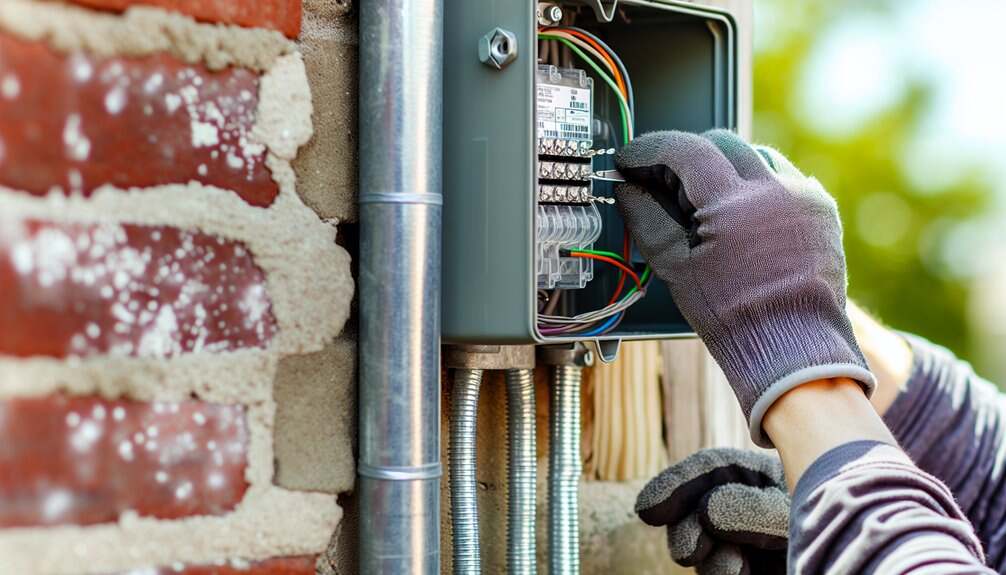
Professional replacement typically includes load calculations, grounding/bonding verification, service disconnect placement, coordination with the utility, and inspection scheduling. Labor rates vary by market, but certified electricians reduce rework risk and guarantee NEC/utility specifications are met on the first pass.
DIY efforts appear cheaper upfront but expose the owner to arc-flash hazards, service disruption, rejected inspections, and insurer denial if unlicensed work causes damage. Proper wiring and labeling enhance user accessibility and safety, with ergonomic design minimizing hazards.
Failed inspections can require re-purchasing equipment, additional permits, and emergency utility visits—costs that quickly surpass professional fees.
Pre-fabricated enclosures from MJBOX streamline certified installations by providing code-conforming, utility-ready assemblies, reducing on-site fabrication time, minimizing variance, and helping contractors deliver predictable, inspectable results.
Cost-Saving Tips for Your Next Meter Box Installation
Cost-conscious planning starts with selecting standard sizes or modular meter boxes that meet NEC/utility specifications to avoid custom fabrication and costly rework. For multi-unit or campus projects, ordering in bulk can reduce per-unit pricing while ensuring uniform, code-compliant components. Choosing materials matched to the environment (e.g., NEMA-rated, corrosion-resistant enclosures) and scheduling routine inspection and maintenance helps prevent premature failure and replacement. It's crucial to adhere to safety standards like UL, CE, and IEC to ensure the reliability and safety of your meter box installation.
Choose Standard Sizes or Modular Models
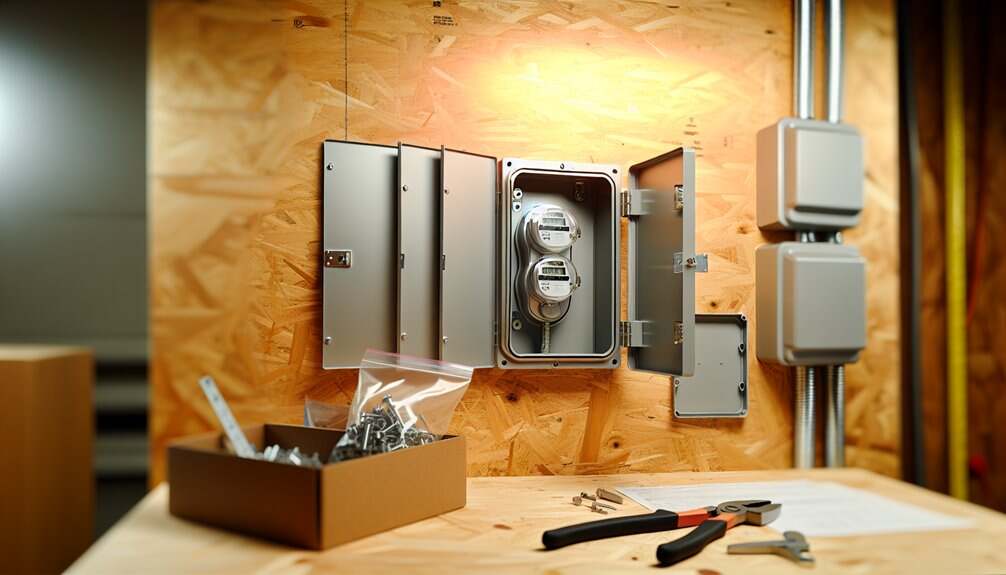
While many configurations exist, selecting a meter box in a standard utility-approved size or a modular, field-configurable model typically minimizes both material and labor costs without compromising compliance.
Standard footprints align with common service ratings, simplifying service-entrance conductor terminations, meter socket selection, and required working clearances per NEC 110.26 and utility specs.
Modular enclosures provide interchangeable compartments for disconnects, CTs, or add-on spaces, limiting change orders during inspections.
Either path reduces custom fabrication, accelerates approvals, and maintains listing integrity (NRTL marks).
Verify utility service manual for approved socket types, hub patterns, and enclosure NEMA ratings.
Match ampacity and short-circuit rating to calculated load and available fault current.
Use modular knockouts and rail kits to adapt in the field.
Preserve listing by using manufacturer-approved accessories only.
Order in Bulk for Large Projects
Although each project’s load profile differs, bundling meter boxes, sockets, hubs, and accessory kits into bulk purchase lots can materially reduce unit pricing and soft costs for multi-unit or campus-scale installations.
Aggregated orders minimize freight per unit, shorten lead times through consolidated scheduling, and lower procurement overhead. Specifying a single manufacturer and series allows standardized knockouts, lug configurations, and sealing methods, simplifying inspection and reducing rework risk.
Owners can negotiate tiered pricing, extended warranties, and spare inventory allowances when quantities are committed early. Coordinated submittals guarantee UL listings, NEMA ratings, and service-entrance markings align with AHJ requirements.
Pre-purchasing identical lockouts, labeling, and tamper-evident hardware streamlines commissioning. Careful takeoffs, buffer quantities for damage, and synchronized delivery to phases reduce field handling, crane picks, and storage losses.
Select the Right Material for the Environment
Bulk purchasing sets the stage, but material selection ultimately determines lifecycle cost and code compliance in specific site conditions. A disciplined spec should match enclosure material to environmental loads, UL/NEMA/IP ratings, and grounding needs.
Stainless steel (316) resists coastal chlorides; aluminum reduces weight and corrosion in moderate climates; fiberglass-reinforced polyester isolates electrically in high-moisture or chemical areas; powder-coated steel offers economy where exposure is limited.
Verify clearances, bonding, and listing per NEC 110, 250, and utility requirements. Choose tamper-resistant hardware and gasketing that maintains the enclosure rating after utility seal installation.
Map corrosion category to material (C2–C5 or analogous).
Align NEMA/IP rating with washdown, dust, or UV exposure.
Specify hinges, coatings, and fasteners for galvanic compatibility.
Confirm utility-approved models to avoid costly rework.
Schedule Routine Maintenance to Prevent Early Replacement
Because meter enclosures live outdoors and endure thermal cycling, moisture, and mechanical stress, a planned maintenance schedule prevents degradation that leads to premature replacement.
Owners seeking cost control should adopt semiannual inspections aligned with NEC 110.3(B) instructions and utility requirements. Key tasks include verifying enclosure integrity (gasket compression, hinge torque, latch function), tightening terminations to manufacturer torque specs, checking bonding jumpers and grounding electrode conductors, and testing for corrosion or water ingress.
Clean debris, insect nests, and vegetation to maintain ventilation and clearance. Replace cracked hubs, UV-brittle conduits, and missing knock-out seals immediately.
Use IR thermography under load to identify hot spots, then re-torque or replace components. Document date-stamped photos, torque values, and corrective actions.
Engage a licensed electrician for energized work, lockout/tagout, and arc-flash PPE.
Long-Term Value: Why Paying More Can Save Over Time
When evaluating electrical meter boxes, paying more upfront often lowers total cost of ownership over the service life. Higher-grade enclosures—such as IP66+ stainless steel—resist moisture ingress, corrosion, and impact, reducing unplanned outages, remediation labor, and downtime penalties.
Invest upfront in IP66+ stainless enclosures to cut failures, service calls, and lifetime ownership costs.
A TCO model should include procurement, installation, scheduled service, failure risk, and end-of-life replacement. Code-compliant selections with verified ingress protection and mechanical robustness preserve clearances, bonding, and labeling, sustaining safety and reliability under load and environmental stress.
Specify IP66+ stainless steel in harsh, coastal, or washdown zones to extend service intervals.
Use third-party certified products to meet NEC/IEC requirements and insurer expectations.
Consider OEM options for exact dimensions, gland plates, and mounting to cut retrofit costs.
MJBOX Solutions: Reliable and Cost-Effective Meter Box Enclosures
At MJBOX, we engineer electrical meter box enclosures that combine reliability, compliance, and value for modern power distribution systems. Each unit is designed to withstand demanding environments — from high-humidity outdoor installations to heavy industrial sites — while maintaining consistent safety and performance.
Our enclosures are manufactured using high-grade materials such as stainless steel, galvanised steel, and reinforced polycarbonate. This ensures long-term resistance to corrosion, impact, and thermal stress. Every product undergoes rigorous testing for IP and IK protection, guaranteeing compliance with international standards such as IEC 61439, AS/NZS 3000, and CE.
Beyond standard designs, MJBOX provides custom-built meter boxes and enclosures tailored to specific project requirements. Whether your application calls for multi-meter configurations, large-capacity cabinets, or specialised cable entry systems, our engineering team can deliver precise, documented solutions to match your specifications.
We also focus on cost-efficiency across the lifecycle. Modular structures and replaceable components simplify installation, maintenance, and future expansion — helping reduce downtime and overall project cost.
Partner with MJBOX for reliable, cost-effective, and fully compliant meter box enclosures.Contact our engineering team today to request technical drawings, quotations, or OEM collaboration details.
How Do Meter Box Regulations Differ by State or Municipality?
They vary by adoption of NEC editions, utility service rules, enclosure ratings, working clearances, mounting height, disconnect location, grounding/bonding methods, conduit types, meter/main combinations, utility access, labeling, and inspection processes. Local AHJ and utility tariffs ultimately control requirements.
Can Meter Box Upgrades Improve Home Insurance Eligibility or Premiums?
Yes. Upgrades meeting current NEC, utility, and manufacturer specifications can enhance eligibility and lower premiums—if documented. Insurers value reduced fire risk, proper grounding, surge protection, AFCI/GFCI coordination, and licensed installation. Verification: permits, inspection reports, photos, and labeled equipment.
What Permits and Inspections Are Required for Meter Box Work?
Permits typically include electrical service upgrade and utility authorization. Inspections cover rough, service equipment, bonding/grounding, working clearances, and final energization. Jurisdictions require NEC-compliant plans, load calculations, labeling, arc-fault/ground-fault provisions, and utility coordination. Homeowner or licensed electrician pulls permits; unpermitted work risks penalties and disconnects.
How Do Weather Ratings (Nema/Ip) Affect Local Code Compliance?
Like armor to a knight, weather ratings dictate suitability. Local codes reference NEMA/IP for enclosure protection levels, driving placement, sealing, corrosion resistance, and listing. Inspectors verify ratings match environment (wet, damp, coastal), ensuring durability, safety, and authority-approved compliance.
What Warranties Do Utilities or Manufacturers Offer for Meter Boxes?
Utilities typically warrant meters, not enclosures; manufacturers offer limited warranties (often 10 years) covering defects in materials/workmanship, excluding improper installation, tampering, corrosion, or overload. Enforcement requires code-compliant installation, documented torqueing, utility approval, and adherence to listing, grounding/bonding, and seal integrity requirements.
Conclusion
In closing, the analysis underscores that meter box projects hinge on code compliance, load calculations, and utility coordination. National averages range widely, yet one striking statistic stands out: AFCI/GFCI integration can reduce electrical-fire risk by up to 50%, validating higher-spec installations. When comparing DIY to licensed service, permitting, grounding/bonding, and short-circuit ratings drive safety and warranty outcomes. Investing in durable, NEMA-rated enclosures and professional terminations minimizes downtime, extends asset life, and guarantees inspection-ready performance under evolving electrical codes.
We are deeply committed to excellence in everything we do, ensuring meticulous control over our products to deliver unparalleled quality and outstanding service to our customers.













 Chinese