In the power supply industry, distribution boxes are essential for reliable power distribution, circuit protection, and voltage conversion.
Equipment Solutions
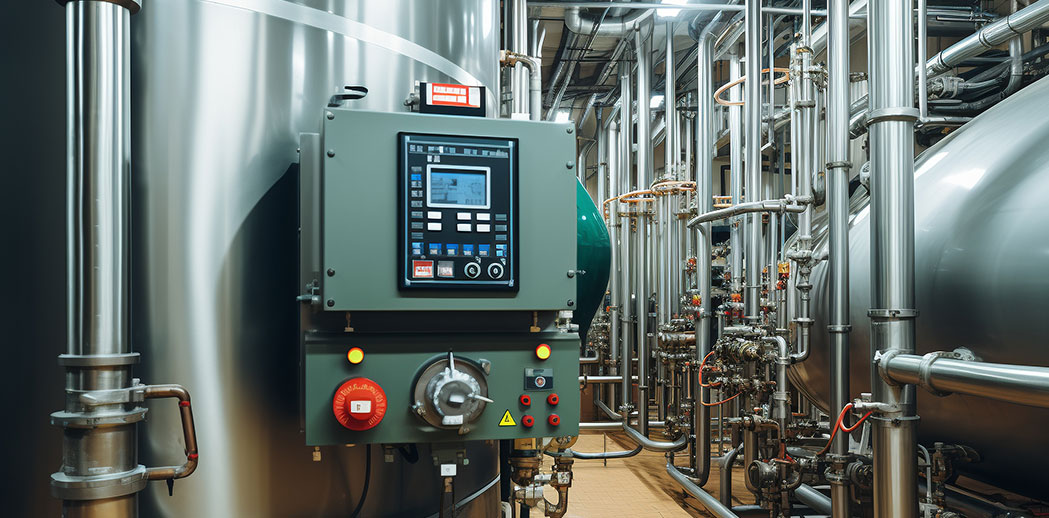
For customers of mechanical equipment, our product series mainly include PLC control cabinets and HMI housings
Communication Solutions
For customers of mechanical equipment, our product series mainly include PLC control cabinets and HMI housings
Security Solutions
In the field of security monitoring, we will comprehensively consider key factors such as the power requirements, power supply type, and power supply method of the monitoring equipment when designing the electrical box.
Solar Energy Solutions
In the field of security monitoring, we will comprehensively consider key factors such as the power requirements, power supply type, and power supply method of the monitoring equipment when designing the electrical box.
Oil & Gas Solutions
In the field of security monitoring, we will comprehensively consider key factors such as the power requirements, power supply type, and power supply method of the monitoring equipment when designing the electrical box.
Rail Solutions
Our engineering team has extensive experience in rail transit projects across China, providing custom solutions like cabinets.
Construction Solutions
Whether it is a high-rise building, commercial complex or industrial facility, our professional team will deeply analyze the characteristics of each project, including power load
Fire Safety Solutions
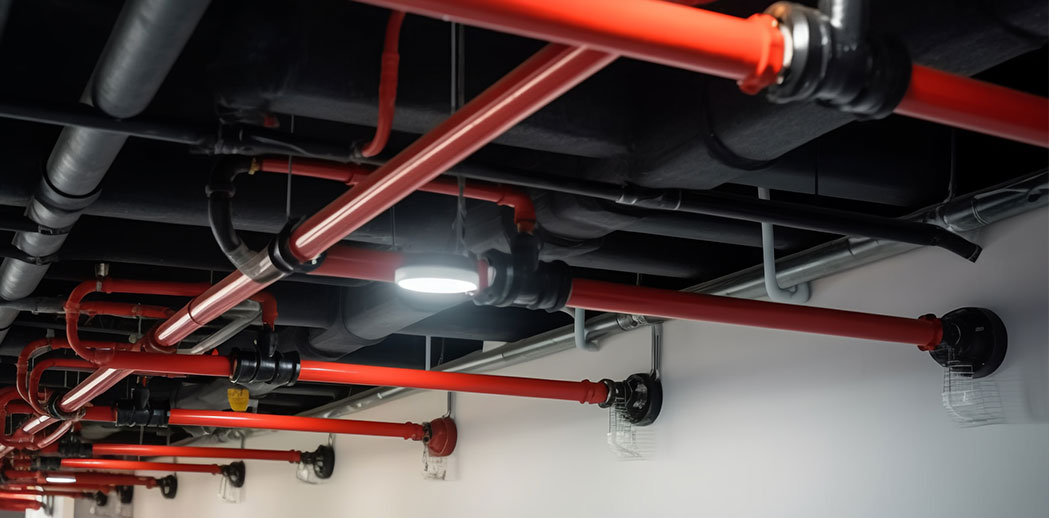
Customized fire hydrants, built to your exact needs. We combine top-quality materials and strict adherence to GB50974-2014 standards to deliver hydrants that ensure safety, durability, and compliance.
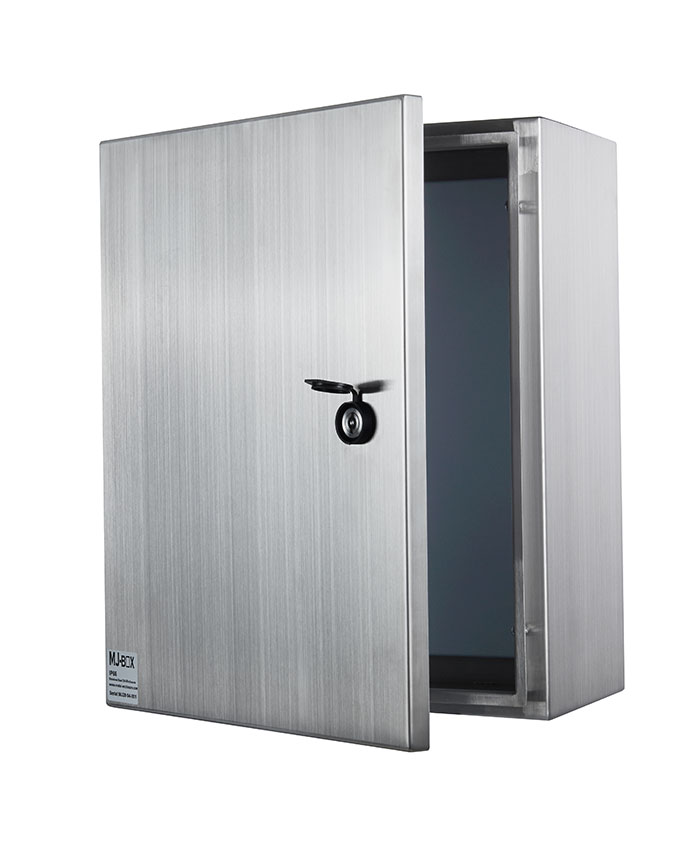
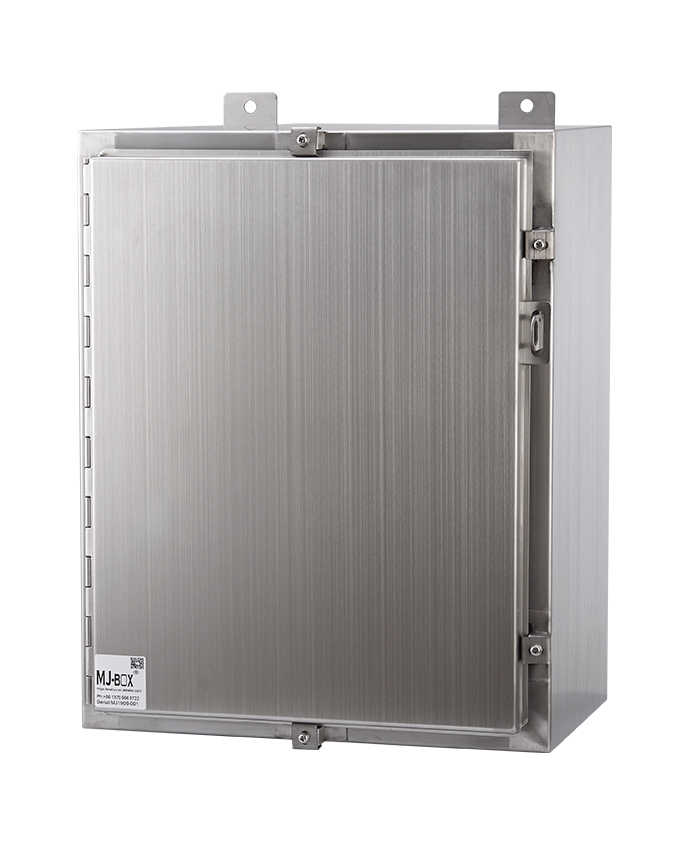
MJ-BOX offers a variety of wall-mounted enclosures in different sizes and materials. These enclosure are used of quality materials such as stainless steelcold rolled steel and Aluminum.They cover a wide range of applications. All of our enclosures are CE certified and IP66 rated.They are suitable for applications that require protection from dust, moisture and corrosion.
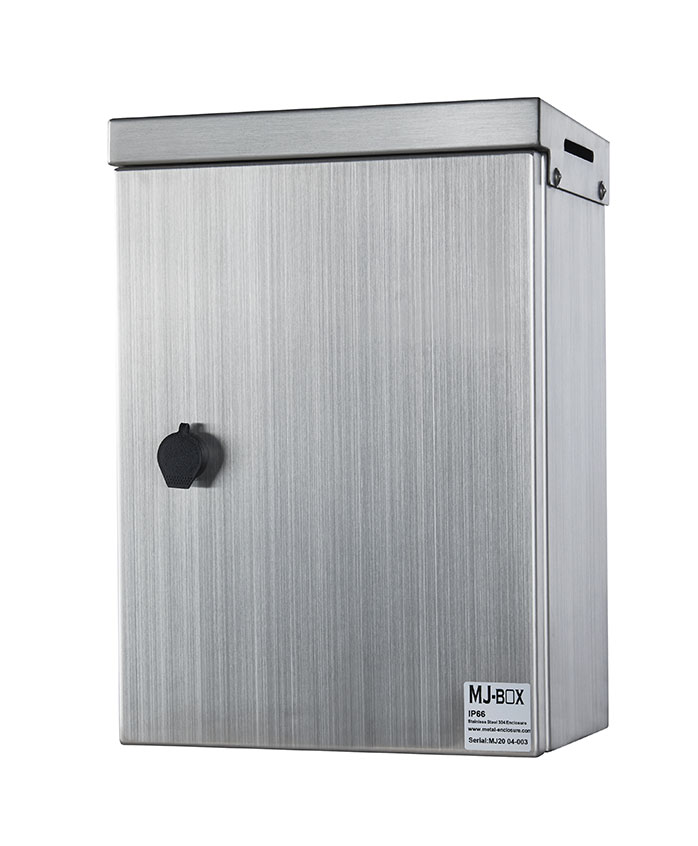
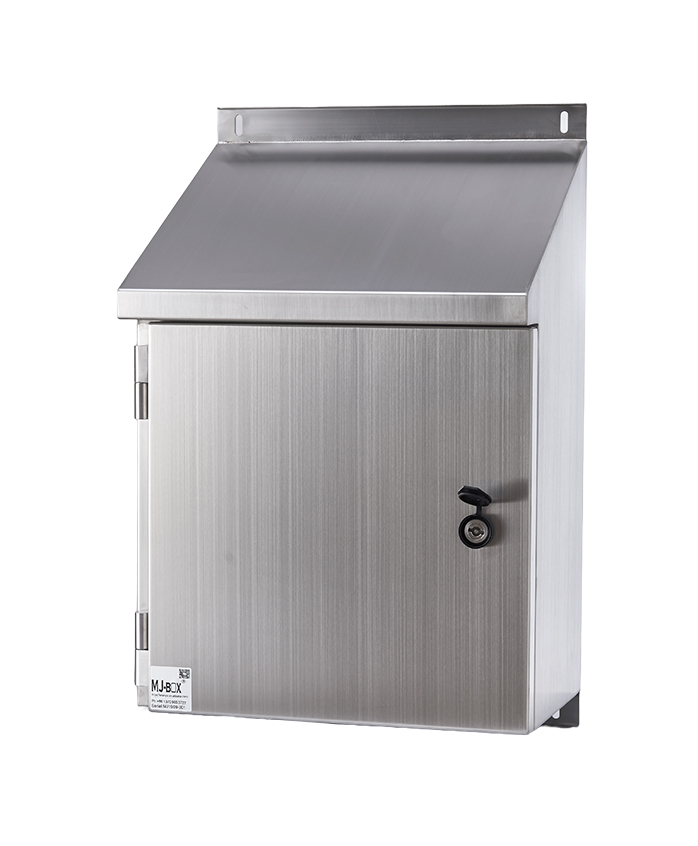
Explore the limits of durability and functionality with the MJ-BOX's double-sloped roof shell. The innovative removable 15° pitched roof reducing internal temperature by 20% in direct sunlight.ensures superior drainage and maintenance, preventing water accumulation and extending life.
The combination of 30° inclined roof design and IP66 can better resist heavy rain and dust in the air. It is very suitable for food processing plants, construction sites, etc. to fight against airborne particles.
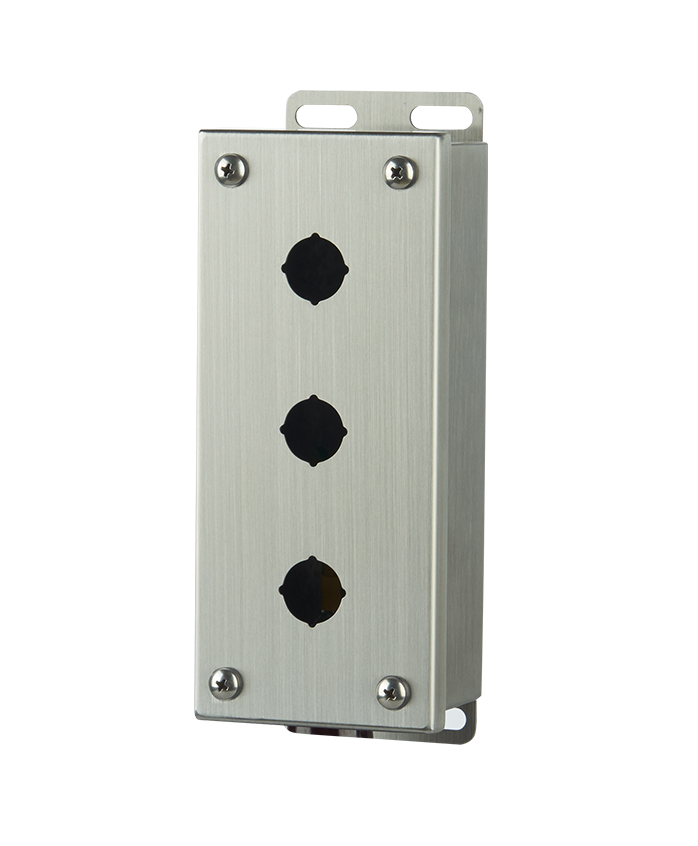
Heavy-duty stations with illuminated buttons and emergency stops. Modular design allows custom labeling and layout adjustments for CNC machines, conveyor systems, and production lines.
This explosion proof enclosure provides strong physical protection against impact and environmental hazards through reinforced welds and interlocking door mechanisms. It is ideal for protecting electrical components in volatile workshops or high traffic industrial areas.
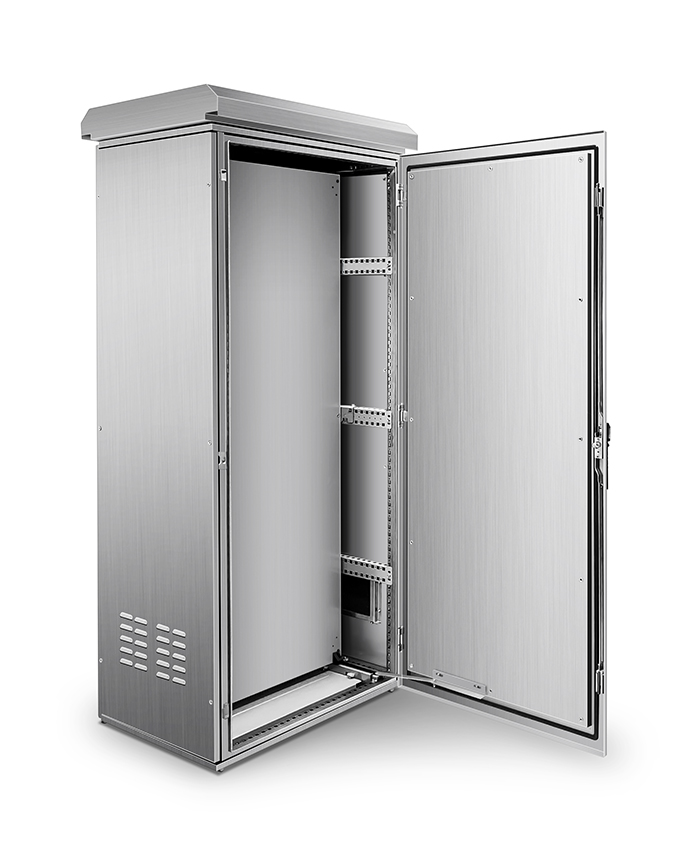
Engineered for heavy-duty protection of large-scale electronics, our enclosures combine multi-material construction (steel/aluminum/composite) with adaptable mounting systems. Thrive indoors or outdoors in harsh settings—from automated warehouses to chemical plants—featuring corrosion-resistant finishes, tool-less panel access, and modular interiors for complex configurations.
Electrical Meter Box Parts and Accessories: What’s Inside and Why It Matters
11.19. 2025 | Electrical Box
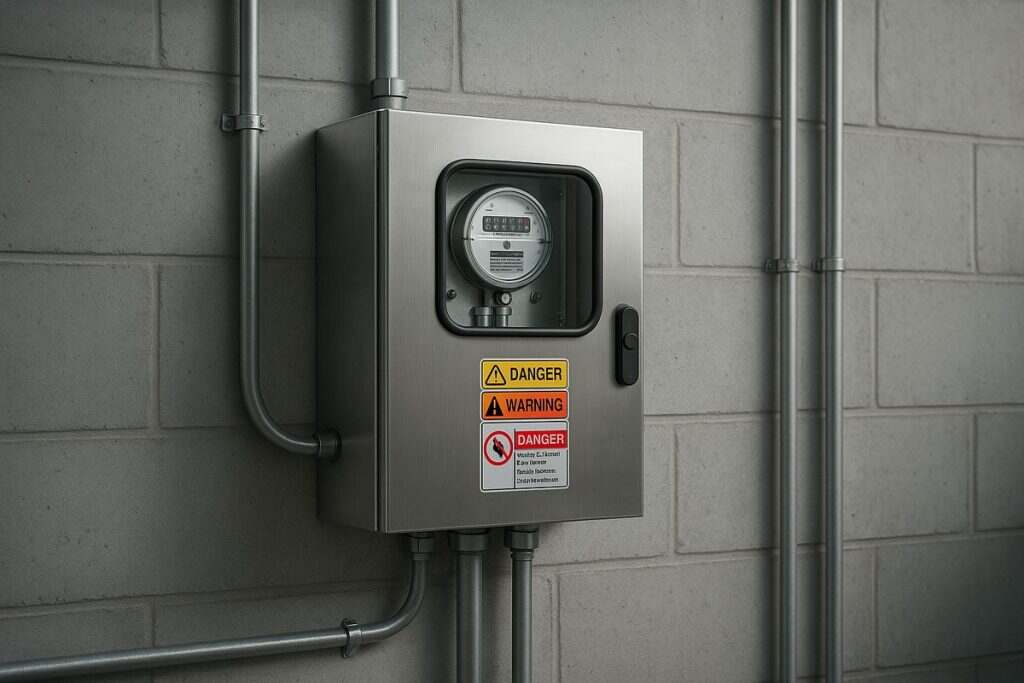
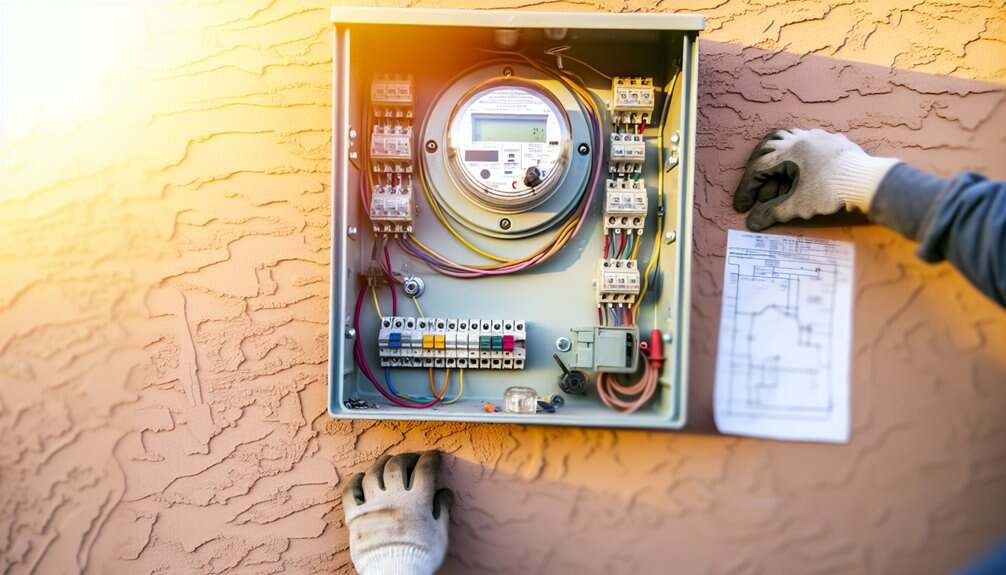
Electrical meter box parts form the foundation of every power distribution system, housing the utility meter, service disconnect, and internal wiring assemblies within a weather-rated enclosure. Each component plays a critical role in system integrity and safety. Key parts include the door, hinge, latch, gasket, drip shield, meter socket, base assembly, and labeled distribution components. Cable glands maintain ingress protection; ventilation and condensation controls protect internals. Safety interlocks and proper creepage/clearance align with NEC/IEC and NEMA/IEC enclosure ratings. Materials span stainless steel, galvanized steel, or GRP with secure locking. Modular, replaceable parts and documented compliance complete the picture—more practical specifics follow.
Key Takeaways
The enclosure shell, door, hinges, latch, and gasket create a weather-rated, tamper-resistant barrier that protects the utility meter and service equipment.
Inside, the meter socket, base assembly, and distribution box safely interface service conductors and centralize circuit protection to prevent overloads.
Cable glands, gland plates, and sealing rings manage cable entry while maintaining ingress protection and proper creepage and clearance distances.
Safety features include interlocked doors, stainless locks, and pressure equalization or ventilation to control condensation and reduce arc-flash exposure.
Compliance labeling and standardized parts (NEMA/IEC-rated, CE-marked) ensure code compliance, easy maintenance, and quick replacement with stocked spares.
Understanding the Structure of an Electrical Meter Box
An electrical meter box is a weather-rated enclosure that houses the utility meter and critical service equipment, arranged to meet NEC/IEC clearances and grounding requirements. Its structure prioritizes rigidity, ingress protection, and safe service isolation. The enclosure defines how meter box components are mounted, bonded, and segregated from occupants and environmental exposure. Electrical enclosure parts—door, hinge, latch, gasket, backpan, knockouts, and drip shield—govern accessibility and sealing. The meter socket assembly is positioned to maintain creepage and clearance around live conductors while facilitating utility sealing and tamper evidence. Mechanical supports and bus standoffs keep conductor bends within radius limits. Bonding points centralize equipment grounding conductors. Labels, working-space dimensions, and barrier placements enforce code-driven approach, arc-fault mitigation, and predictable maintenance. Enclosures must comply with protection ratings to ensure they can withstand environmental factors like dust and moisture, which is crucial for safeguarding the equipment and ensuring reliability.
Core Components of an Electrical Meter Box
The core assembly centers on the enclosure shell and frame that provide NEMA/IEC-rated protection and working clearances. Inside, the meter socket and base assembly interface with service conductors, while busbars and grounding systems establish NEC-compliant current paths and fault-clearing integrity. Internal support and isolation components maintain creepage/clearance distances and secure terminations to reduce arc and shock hazards. An electrical distribution box plays a crucial role in centralizing circuit control for safe power distribution, preventing overloads and short circuits.
Enclosure Shell and Frame
Skeleton and skin define the enclosure shell and frame, establishing structural integrity, environmental protection, and mounting geometry for the meter assembly. Among electrical meter box parts, these weatherproof meter box parts determine IP/IK performance, corrosion resistance, and installation class. Stainless steel maximizes durability and vandal resistance at a higher cost; galvanised steel balances price and strength; GRP cuts weight, avoids corrosion, and offers dielectric isolation. A custom electrical enclosure can tune thickness, gasket profile, hinge hardware, and lock types to meet local code and utility specifications. Material-to-rating mapping: select to the target IP/IK class, temperature range, and UV exposure; verify certified test data. Mounting architecture: wall, pole, or freestanding frames require engineered anchors, bonding, and clearances. Lifecycle control: specify coatings, drainage, and replaceable seals to maintain the rating. When choosing materials, consider environmental factors such as temperature extremes and exposure to chemicals, as these can greatly affect the enclosure's performance and longevity.
Meter Socket and Base Assembly
The nerve center of the service entrance, the meter socket and base assembly forms the certified interface between utility conductors and the customer’s service equipment. It accepts meter blades, clamp line and load conductors, and maintains required insulation clearances and creepage distances. Code-compliant designs specify torque-rated terminals, a bonded neutral bar, and utility sealing points to deter tampering and guarantee custody of measurement. In an industrial meter box, heavy-gauge bases and reinforced jaws withstand thermal cycling and fault stresses. Specifiers should verify short-circuit ratings, conductor size ranges, and environmental sealing to match service conditions. As critical electrical distribution enclosure parts, these assemblies must be listed and installed per utility standards. Stocking compatible meter box spare parts supports rapid field maintenance without compromising compliance. Selecting an enclosure with appropriate protection ratings ensures that the meter box can withstand environmental challenges such as moisture and dust, thereby enhancing safety and reliability.
Busbars and Grounding Systems
Backbone conductors and protective paths define current distribution and fault control inside the meter box. The busbar and grounding system uses copper or aluminium bars sized for high-load applications, minimizing I²R losses and heat rise.
Rigid mounting to stainless steel meter box components guarantees low-impedance paths and mechanical stability. Grounding and bonding conductors, clamps, and lugs are specified to IEC/AS/NZS requirements, creating an equipotential plane that clears faults rapidly through protective devices.
The meter box sealing gasket protects these interfaces from moisture ingress, preserving contact resistance and inspection integrity.
1) Specify the cross-sectional area of busbars to match prospective fault current and temperature rise limits per IEC/AS/NZS tables.
2) Bond all metallic parts, including hinges and gland plates, to the grounding bar with verified continuity.
3) Torque-verify all terminations; recheck after thermal cycles and gasket service.
A well-designed electrical control box should comply with safety standards like UL 508A to ensure operational reliability and worker protection.
Internal Support and Isolation Components
Structure governs safety inside the meter box: mounting plates, DIN rails, insulation barriers, and lockable isolating switches establish a code-compliant framework for secure device placement and clearances.
These internal support components fix meters, CTs, surge devices, and control gear to stable planes, maintaining creepage and clearance distances while simplifying maintenance. DIN rails enable modular layouts that scale from single-meter to multi-meter and three-phase configurations without compromising segregation.
Insulation barriers partition live sections from service compartments, reducing arc-flash exposure and preventing cross-contact during work. Lockable isolation switches provide visible, positive disconnection, supporting LOTO procedures and energized-work prohibitions.
Properly rated hardware, stainless fasteners, and captive fixings resist vibration and corrosion, preserving torque integrity. Documented labeling and color-coded separators complete a disciplined arrangement that prioritizes isolation, verification, and controlled operation.
Effective sealing strategies prevent moisture and dust ingress, which is essential for reliability and longevity in electrical systems.
Functional Accessories That Enhance Durability and Safety
Functional accessories reinforce compliance and service life by controlling access, protecting penetrations, and managing moisture. Code-compliant door assemblies with locking systems, rated cable entry glands and plates, and proper sealing, ventilation, and condensation control mitigate shock, corrosion, and fire risks. Clear identification, labeling, and accessory hardware guarantee safe operation, streamlined inspections, and traceable maintenance. Explosion-proof electrical distribution boxes are essential in hazardous environments to prevent ignition and ensure safety compliance.
Door Assemblies and Locking Systems
Door assemblies and locking systems define the enclosure’s security envelope, specifying how access is controlled and how the cabinet maintains integrity under service conditions. For meter boxes, door assemblies and locking systems combine an electrical box lock and hinge geometry that resists prying, maintains gasket compression, and aligns with service clearance requirements. Industrial-grade hinges, stainless locks, and tamper-proof mechanisms are prioritized, with interlocks that de-energize load-side circuits before access. Specifiers should stock industrial electrical box spares to maintain compliance and uptime. An electrical junction box is a critical component in electrical systems that connects and organizes wiring for safe terminations and splices, enhancing both safety and functionality. 1. Specify hinge load, cycle rating, and corrosion class; use stainless or coated hardware with concealed pins to defeat bypass. 2. Select lock types (quarter-turn, keyed, padlockable) with tamper-evident features; match to authority access hierarchy. 3. Implement safety interlocks and defeat-resistant mechanisms per standards, verifying door-ground bonding and seal compression.
Cable Entry Systems and Gland Plates
Cable entry systems define how conductors penetrate the meter enclosure without compromising ingress protection, clearances, or bonding.
In compliant assemblies, a cable gland plate concentrates knockouts, provides a controlled drilling surface, and allows standard glands to maintain the IP rating. For ip66 electrical enclosure components, the interface relies on matched gland threads, compression seals, and bonding provisions to keep fault paths predictable and touch-safe.
Weatherproof sealing rings complete the barrier where multiple cables are routed, preserving creepage and clearance distances.
Gland plates also simplify maintenance: damaged entries can be replaced with pre-punched replacement meter box accessories without disturbing the primary shell.
When planning multi-cable routing, professionals specify plate thickness, knockout sizes, and gland materials to suit conductor type, earth continuity, and environmental exposure while sustaining IP integrity.
IP ratings are crucial for ensuring equipment durability and operational reliability, as they protect against dust and moisture ingress, reducing the likelihood of equipment failure.
Sealing, Ventilation, and Condensation Control
Although a meter enclosure must exclude water and dust, it also must manage internal humidity to prevent corrosion and tracking. In practice, sealing and controlled ventilation work together. Rubber gaskets establish the ingress rating by closing panel interfaces within meter cabinet hardware.
Pressure equalisation valves and hydrophobic breathers vent vapor while blocking liquid water, stabilizing enclosure pressure during thermal cycles in outdoor installations. Advanced protective coatings enhance durability and lifespan, while surface treatments and corrosion-resistant alloys minimize electrochemical reactions in harsh environments.
1) Specify rubber gasket profiles compatible with the modular meter box design, verifying compression set, UV stability, and temperature range per listed standards.
2) Select pressure equalisation valves with IP-rated membranes; size for enclosure volume to avoid vacuum/pressure spikes that pull moisture past seals.
3) Deploy desiccant or heater/thermostat kits only after validating airflow paths via breathers.
These electrical meter box accessories reduce condensation, extend service life, and maintain code-compliant clearances.
Identification, Labeling, and Accessory Hardware
Identification hardware in meter enclosures serves as a safety and compliance control, not decoration. Data plates provide durable nameplate information—voltage, current ratings, short-circuit ratings, enclosure type—supporting inspection and lockout/tagout procedures.
Circuit labels, secured inside and outside, must withstand heat and moisture; engraved phenolic or metal tags are preferred to adhesives. Viewing windows allow readouts and indicator checks without opening the door, reducing arc-flash exposure and preserving seal integrity. Anti-UV coatings protect markings, windows, and gaskets from degradation, extending service life in outdoor installations.
Properly specified MJBox enclosure parts include etched stainless data plates, UV-stable circuit labels, polycarbonate windows with impact ratings, and coatings compliant with UL and IEC UV tests.
Need technical drawings or compliant labeling options? Contact the MJBOX engineering team for guidance on custom identification plates, window assemblies, and UV-rated accessory kits tailored to your project requirements.
Selecting the Right Parts for Your Application
Selecting meter box parts begins with matching amp rating and phase to breakers, CTs, lugs, and busbars to prevent overloads and nuisance trips.
Specify IP rating and material for the environment, then verify compliance with NEC/IEC and utility specifications, including certified enclosures and components.
Prefer modular designs with accessible terminations and readily replaceable parts to simplify maintenance and minimize outage time.
Matching Amp Rating and Phase to Components
Correctly matching amp rating and phase configuration across all components of an electrical meter box is essential for both safety and compliance. Each installation must align with the system’s service capacity and electrical code to ensure uninterrupted operation and certification integrity.
Every component—from the meter socket to the busbar and accessory assemblies—must be rated equal to or higher than the service ampacity.
100 A systems are typical for small-scale or light residential installations.
200 A represents the most common standard for residential and light commercial services.
400 A and above are suited to large dwellings, high-demand facilities, or industrial feeders.
Phase configuration is equally critical.
Single-phase systems require matched sockets and busbars compatible with the specific service layout.
Three-phase configurations in commercial and industrial applications demand sockets, blades, and lugs designed to handle higher fault currents and more complex load balancing.
To ensure accuracy and compliance:
Verify utility and code requirements — confirm NEC/CEC listings, socket class, jaw count, and continuous-duty busbar ampacity.
Coordinate accessory ratings — lugs, hubs, terminal kits, and bypass mechanisms must all match the amp and phase class of the main service.
Differentiate by occupancy type — residential systems typically use single-phase 100 A or 200 A, while commercial installations may use 200 A–400 A three-phase. Industrial systems require engineered three-phase assemblies with coordinated fault-current ratings.
When properly matched, these specifications prevent overheating, reduce system stress, and guarantee long-term operational reliability under peak load conditions.
IP Rating and Environmental Compatibility
Ingress protection drives enclosure choice as much as ampacity. Meter box parts must align with the site’s IP demands and environmental stressors. For wind-driven rain or washdown, IP65 seals and gland plates are minimum; for temporary submersion risk, IP67 covers, hinges, and conduit entries are preferred.
Outdoor, marine, or corrosive zones demand parts validated to the same IP rating as the enclosure—latches, viewing windows, cable glands, and breather vents must not downgrade protection.
Materials matter. UV-stabilized polycarbonate or powder‑coated aluminum serve general outdoor use; 316 stainless steel and marine‑grade hinges resist salt fog.
Specify elastomer gaskets compatible with temperature swings and hydrocarbons. Choose reinforced mounting rails and impact‑rated knockouts to withstand mechanical stress.
Verify drain/vent accessories maintain IP rating while managing condensation.
Compliance and Standardisation
Beyond IP performance, compliance anchors part selection to recognized codes and product standards. Decision-makers should reference IEC 61439 for assembly design and routine verification, and AS/NZS 3000 for wiring rules governing clearances, creepage, and protective earthing.
Where corrosive or outdoor exposure is expected, NEMA 4X enclosures add corrosion resistance and watertight integrity. CE marking signals conformity with applicable EU directives; insist on documented test reports, not just catalog claims.
1) Verify dielectric clearances, creepage distances, and earth continuity for all terminals, busbars, and mounting rails against IEC 61439/AS-NZS 3000 tables.
2) Specify NEMA 4X only where materials and gasketing are certified, including hardware and hinges, not just the door.
3) Require CE-marked components with declarations of conformity and traceable production control, enabling auditable, enforceable safety.
Maintenance and Replaceability
Prioritize maintainability by specifying components with modular, field-replaceable parts and assured spare availability across the product lifecycle. Select meter bases, sockets, CTs, disconnects, surge devices, and communication modules that can be swapped without disturbing line and load conductors.
Favor DIN-rail or plug-in assemblies with clearly labeled terminals, isolation points, and documented torque values. Require published part numbers for subassemblies and a defined spares program with multi-year support.
Modular designs reduce outage windows, confine work to de-energized sections, and simplify lockout/tagout. Replaceable communication cards and fuses enable upgrades without enclosure replacement.
Standardized footprints and form factors allow consistent inventory and faster restoration. Specify clearances for tool access, hinged barriers, and test points for verification under NFPA 70/NEC and utility rules.
Maintenance-friendly choices protect uptime, personnel, and compliance.
Modular Design and Customisation Options from MJBOX
MJBOX’s modular enclosure architecture is built to meet stringent industrial standards while giving engineers full flexibility for configuration, verification, and compliance. Each system is designed for efficiency — simplifying integration, certification, and long-term maintenance across power, control, and automation projects.
The modular range includes PLC control cabinets, HMI housings, IP66/NEMA 4X enclosures, and solar-ready power stages, each configurable by ingress rating, construction material, thermal performance, and wiring topology. Options extend to FDA-compliant hygienic geometries, chemical-resistant IP67 seals, and explosion-risk segregation meeting ISO, UL, and CE certification requirements.
1) Control Stack and Signal Management
Configurable PLC/HMI bays with precise bus clearances, cable routing, and EMC bonding.
Supports deterministic I/O performance and fast field re-termination for minimal downtime.
2) Power Distribution and Safety
Swappable power trays, lockable disconnects, and fused zones compliant with GB 50974-2014 and fire-monitoring load requirements.
Full documentation available for arc-flash and short-circuit coordination studies.
3) Environmental and Communication Interfaces
Custom gasket, venting, and sealing packages for thermal stability and moisture control.
Antenna and cable pass-throughs for secure telemetry, remote diagnostics, and solar connectivity.
MJBOX’s modular system enables you to configure enclosures by function, protection level, or communication needs, reducing design lead time while maintaining certified quality.
💬 Ready to explore modular electrical enclosures designed for performance and compliance? Visit our MJBOX Product Range to explore available meter boxes, IP-rated enclosures, and custom modular systems, or contact our team for tailored engineering support and quotations.
Spare Parts and After-Sales Support
From replacement doors and hinges to gaskets, locks, and gland plates, MJBOX maintains a stocked, standardised spare-part catalog to sustain uptime and compliance. The catalog aligns with common enclosure sizes, ingress ratings, fire-retardant requirements, and utility specifications, ensuring like-for-like swap-outs without field rework.
Standardisation enables predictable part codes, clear BOM mapping, and faster purchase cycles, cutting truck-roll duration and outage windows.
The MJBOX spare-part standardisation program supports long-term asset stewardship: consistent interface geometries, repeatable fastener patterns, and verified material classes. Technicians can replace only the failed component, preserving enclosure integrity and certification.
After-sales support provides traceable batch data, installation guidance, and compatibility checks. Result: simplified procurement, fewer SKUs to manage, and controlled mean time to repair—while maintaining enclosure ratings and safety margins.
Frequently Asked Questions
How Do Local Regulations Affect Meter Box Placement on Private Property?
Local regulations dictate placement through setback, height, working clearance, and utility-access requirements. They reference electrical and building codes, fire egress, and zoning. Noncompliance triggers denied service or penalties. Owners secure permits, verify utility standards, maintain unobstructed approach, corrosion resistance, and tamper-clearances for safe, enforceable installations.
What Are Typical Installation Costs for Residential Meter Boxes?
Typical residential meter box installation costs range from $ 5,000 to $25,000, depending on service upgrades and trenching. Significantly, 38% of projects require panel resizing. Specify utility-approved meter base, NEMA 3R enclosure, 4/0 AL conductors, proper bonding/grounding, and obtain permits/inspections.
Can Smart Meters Integrate With Existing Legacy Boxes Without Rewiring?
Yes, often via form-factor-compatible smart meters using existing meter sockets. Compatibility depends on service voltage, socket rating, jaw configuration, and utility firmware. No rewiring if code-compliant; otherwise, upgrade meter base, bonding, service conductors, and sealing per utility specifications.
How Often Should Meter Boxes Be Inspected by a Licensed Electrician?
Annually is typical; older or harsh-environment installations warrant semiannual checks. Like a pilot’s preflight, they verify torque, insulation integrity, bonding, grounding, clearances, and enclosure seals. Follow NEC/local code, utility requirements, and after storms, renovations, nuisance trips, heat, corrosion, arcing, or vandalism.
What Warranties Do Manufacturers Offer on Outdoor Meter Enclosures?
Manufacturers typically offer 10 year warranties on outdoor meter enclosures, contingent on UL/NEMA compliance, proper installation, and environmental ratings. Coverage excludes misuse and corrosion from improper sealing. Buyers should verify IP/NEMA ratings, torque specs, and maintenance logs to preserve claims.
Conclusion
In closing, the article clarifies components, configurations, and compliance that keep meter boxes dependable. By spotlighting sockets, seals, shrouds, and surge safeguards, it shows how smart selection supports safety, serviceability, and sustained performance. It stresses specifying standards, selecting sturdy materials, and securing certified accessories. With modularity, MJBOX enables precise, practical, and future-proof builds. Finally, spare parts and after-sales support streamline maintenance, minimize downtime, and maintain code conformity—delivering a durable, disciplined, and defensible metering solution that prioritizes protection and performance.
We are deeply committed to excellence in everything we do, ensuring meticulous control over our products to deliver unparalleled quality and outstanding service to our customers.
















 Chinese